From House To Home
ISSUE: March 2008
Published in entertaining | 0 Comments, Talk about this article »
Enjoy this post? Share it:
Dessert. One of the nicest words in the English language. The expression, “Life is short. Eat dessert first,” has become the motto of many, but along with serving and eating dessert comes the conundrum of what to drink with it. Coffee is nice, tea is pleasant, milk is sometimes perfect, but what about wine? How do you successfully pair something sweet with wine and not feel like you are drinking vinegar? Natalie MacLean, author of Red, White, and Drunk All Over: A Wine-Soaked Journey from Grape to Glass and creator of the Wine and Food Matcher online, says, “When it comes to dessert, many people give up on wine. However, I’m a determined hedonist, so I won’t admit there’s any food that can’t be matched with wine.” Here are some of Natalie’s favorite pairings for dessert and wine.
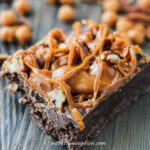
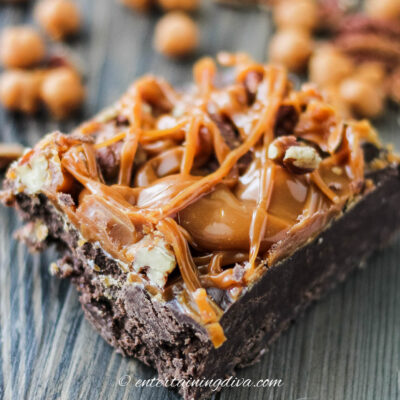
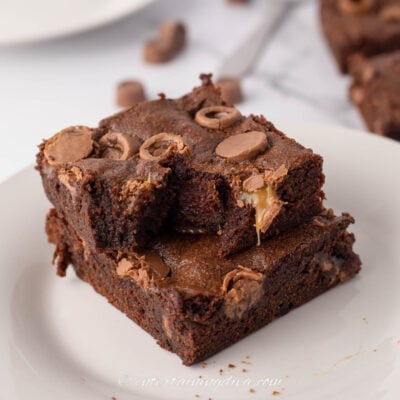
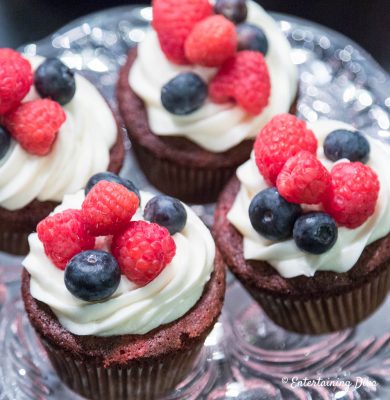
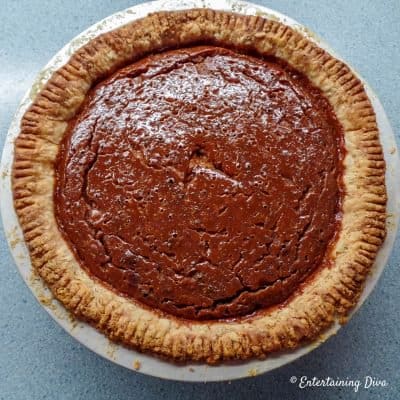
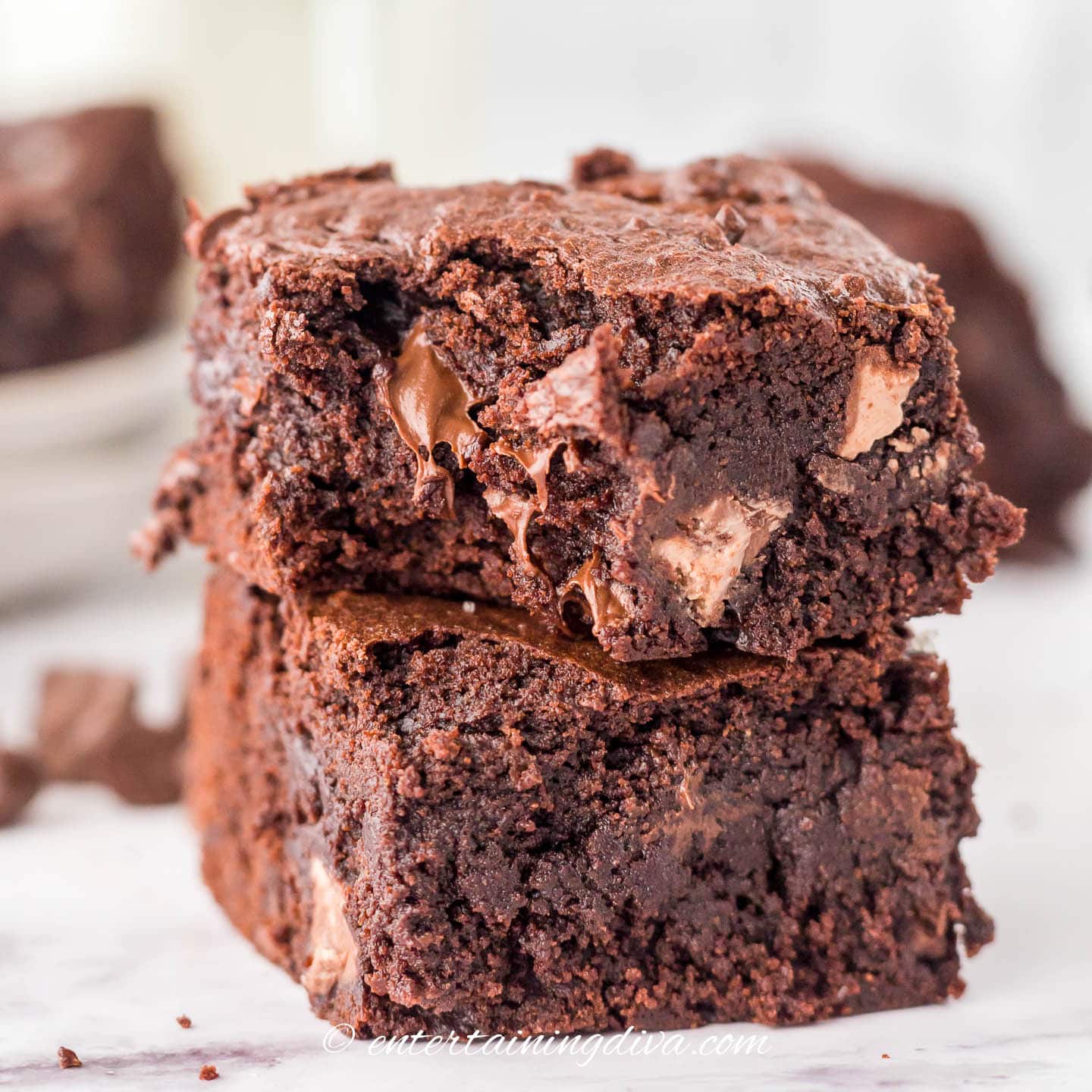
Dessert: Chocolate of any kind--cake, brownies, fudge--is often what people gravitate toward after a meal, but how do you work with the lush richness of chocolate without compromising the combination? Normal table wine will not hold up to the mouth coating consistency of chocolate.
Wine: Port is an excellent choice to pair with chocolate because as a fortified wine, it has extra alcohol, body, and sweetness. The extra alcohol emulsifies the chocolate, so the two are beautifully balanced together.
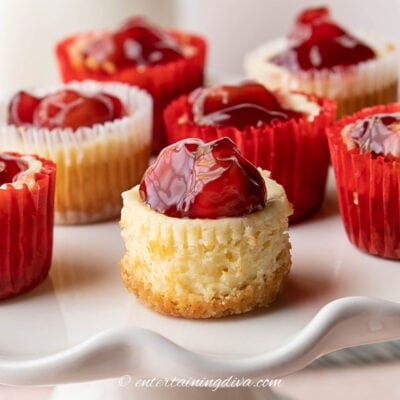
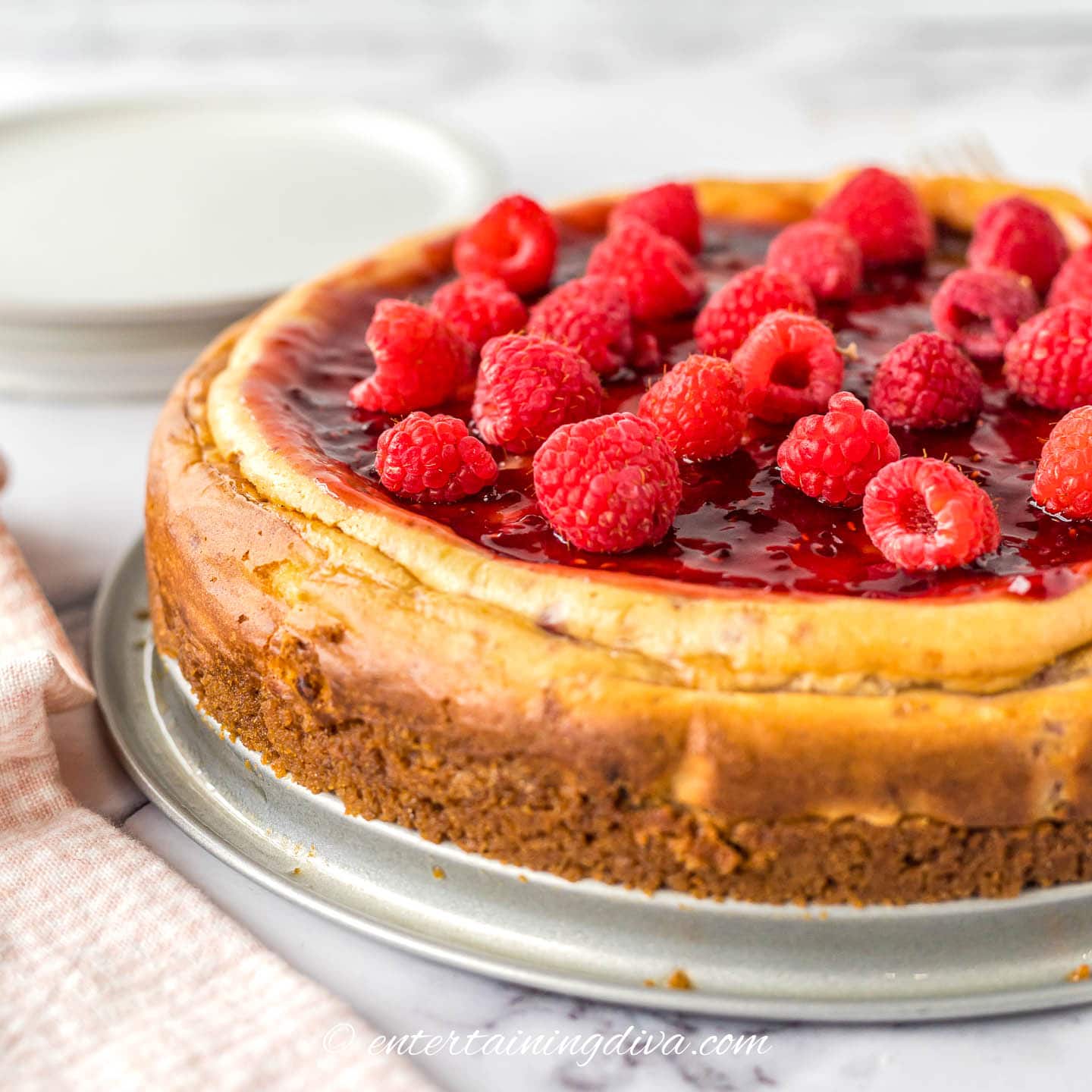
Dessert: Often a much lighter dessert, fruit-based pies and tarts have a natural sweetness as opposed to adding refined sugar. Also, the fruit has acidity, so you want a wine that will work with both qualities.
Wine: Late harvest, such as Riesling. Harvested in late to early November, these grapes accumulate more sugar. Riesling has a beautiful silver thread running through it like a backbone and works well with fruit because of the interplay of natural sugar and acidity.
Dessert: Creme brulee with its luxurious sweetness has the subtle flavors of vanilla and cream. While the sugar glaze is quite sweet, the custard itself is not overwhelmingly sweet.
Wine: Sauternnes. A sweet wine from Bordeaux, it is made from botrytized grapes--a good rot that dehydrates the grapes and leaves the sweet essence behind. Difficult to describe, this wine is one of the most luxurious wines on the planet. Paired perfectly with creme brulee, the wine does not overwhelm the classic flavors.
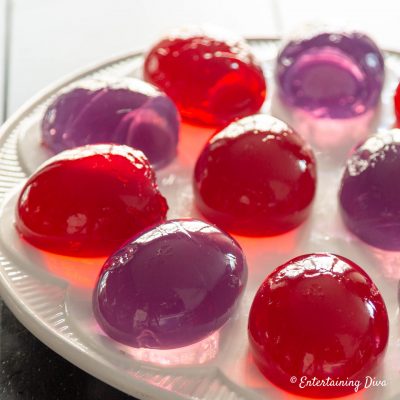
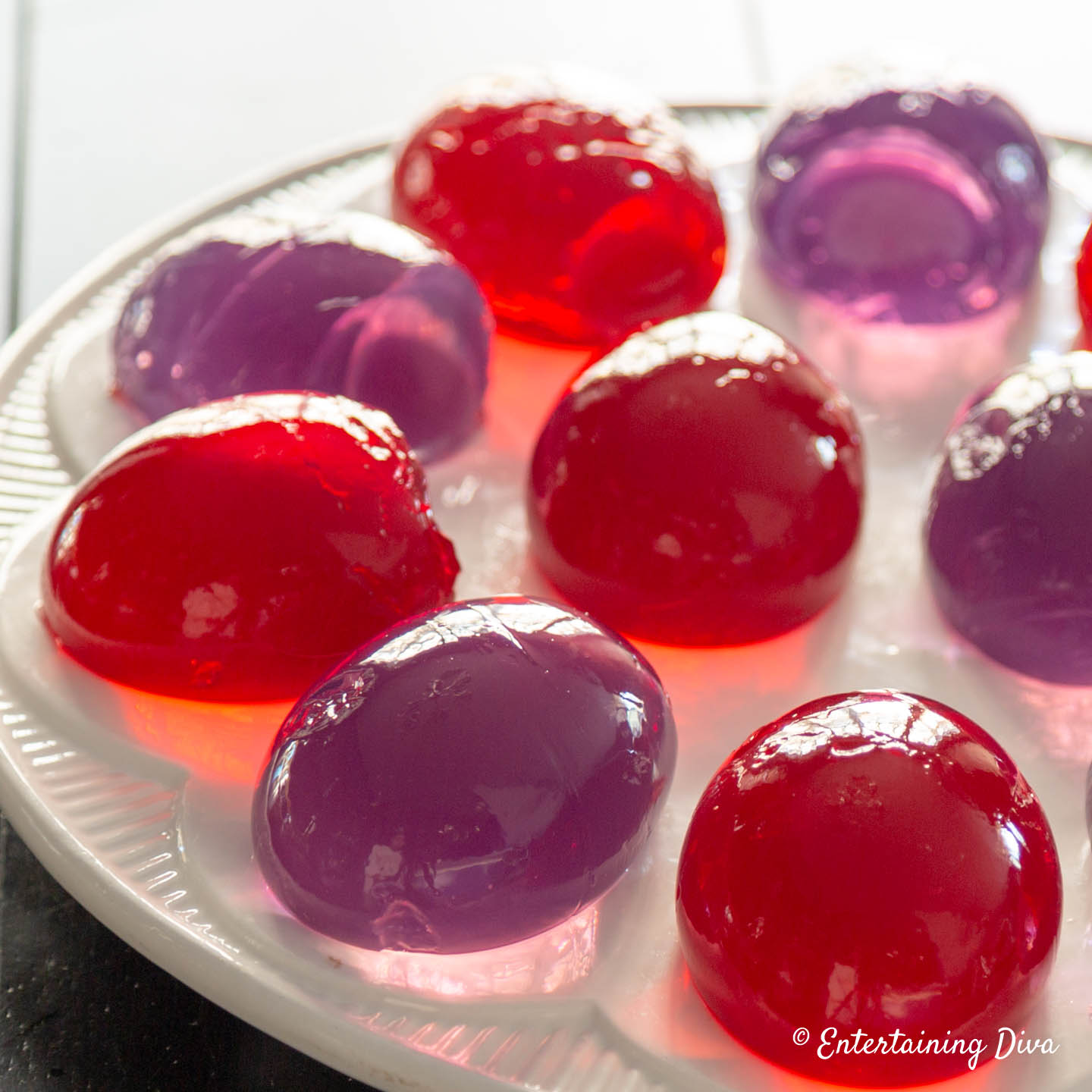
Dessert: Jell-O. Not often served as the end to an elegant dinner, this dessert is very kid-friendly and is often served at birthday parties or backyard barbecues.
Wine: Moscato D’asti. When you are with your children, you want a light wine. At only 5.5 percent alcohol, this Italian effervescent wine has a residual sweetness that is beautifully balanced with the bubbles. Tasting of orange peel, lime, and citrus without being syrupy, it pairs perfectly with the fruit flavors of Jell-O.
Dessert: Biscotti, Italian cookies, are typically not very sweet. They are usually made with nuts and sometimes dried fruit or herbs. They are also quite dry, so you want a wine that will moisten your mouth.
Wine: Tokaji. Hungary’s flagship wine, it is known as the wine of kings. It has a beautiful combination of texture, sweetness, and nutty character. The sweetness is measured in puttonyos, the concentration of sweetness. You want five to six puttonyos for a perfect dessert wine.
Natalie says, “I don’t think a meal is complete without a lovely dessert and a dessert wine. It’s like reading a book and stopping before the last chapter.”
» Advertisement «