
10 Common Fall Pruning Mistakes
Fall pruning mistakes can do more harm than good to your plants if you’re not careful. Keep reading for simple tips on what to avoid and how to prune the right way to keep your garden healthy and thriving.
When the air turns crisp and the leaves start putting on their big fall show, it feels like the perfect time to neaten things up in the garden.
A lot of people reach for their pruners and start trimming things back before winter sets in.
I’ll be honest. I don’t do much pruning in the fall myself.
I’ve learned that most plants are better left alone until spring.
But if you’re someone who likes to get your garden looking tidy before the cold weather hits, there are a few pitfalls you’ll want to watch out for.
A well-timed trim can help, but the wrong cut in fall can mean fewer flowers next year, stressed-out plants, or shrubs that don’t bounce back the way you’d like.
That’s why it’s important to know what not to do.
So here are the most common fall pruning mistakes, and how to avoid them.
Looking for more pruning tips? You'll love Pruning Hydrangeas.
Mistake #1 | Pruning spring bloomers
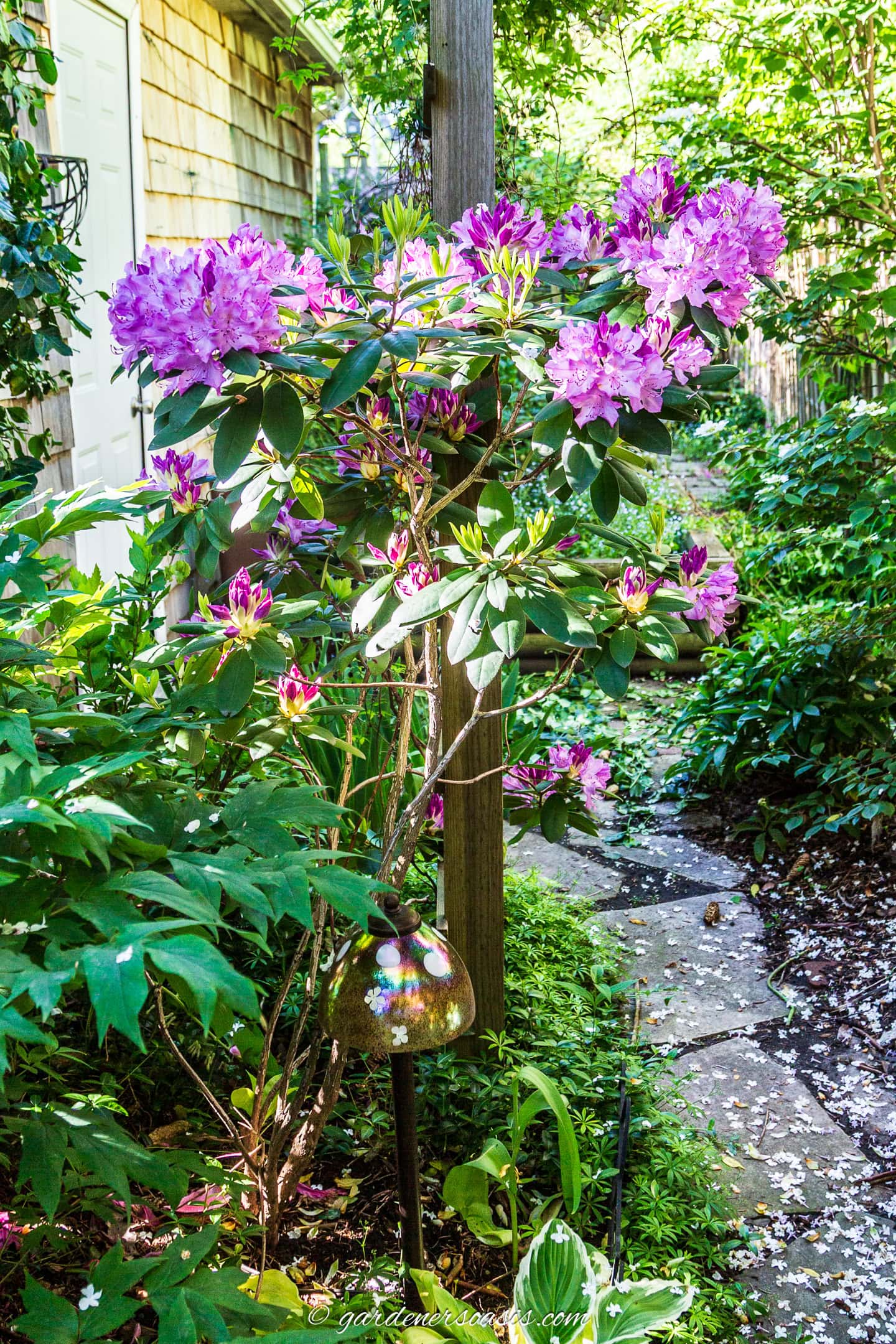
Why it’s a mistake: Spring-blooming shrubs and trees set their flower buds during summer and fall. When you prune them in autumn, you’re literally cutting off next year’s entire flower show.
Worst offenders include:
- Lilacs
- Forsythia
- Azaleas and rhododendrons
- Flowering cherry, apple, and pear trees
- Big Leaf Hydrangeas
- Camellias
The fix: These plants should be pruned immediately after they finish blooming in spring, giving them the entire growing season to develop new flower buds. If you absolutely must remove damaged branches in fall, cut sparingly and accept that you’ll lose some blooms.
Want plants that thrive in the shade?
Get our free 6-part eMail series to the best shade plants when you sign up for our newsletter.
We won’t send you spam. Unsubscribe at any time.
Mistake #2 | Pruning too late (after first frost)
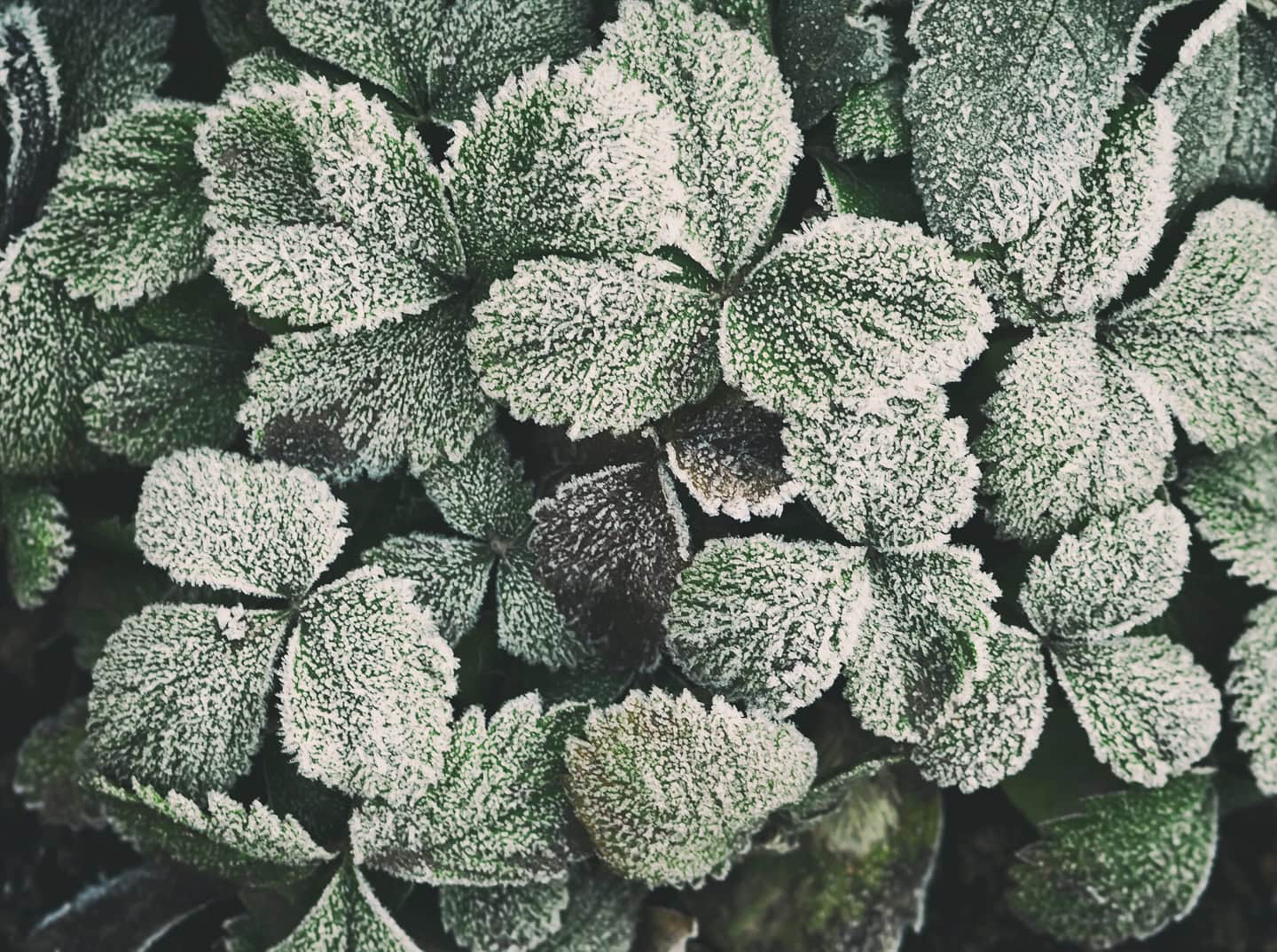
Why it’s a mistake: Plants need time to heal their wounds before winter arrives. Pruning cuts made too late in the season can’t callus over properly, leaving plants vulnerable to disease, pest invasion, and frost damage right at the wound site.
The golden rule: Stop all major pruning 4 to 6 weeks before your area’s first hard frost. This gives plants time to seal their wounds and enter dormancy properly.
The exception: Emergency removal of broken, diseased, or hazardous branches can and should be done any time, regardless of season. Safety always comes first.
Mistake #3 | Topping trees or severe cutbacks
Why it’s a mistake: Removing large portions of a tree’s canopy (called “topping”) sends the plant into shock that can literally kill it. Even if the tree survives, topping creates weak, poorly attached regrowth that’s prone to breaking and creates an ongoing hazard.
The science: Trees store energy in their branches and leaves. Removing too much at once depletes these energy reserves just when the plant needs them most for winter survival.
The fix: Follow the 25% rule. Never remove more than 25% of a tree’s living branches in a single season. Focus on proper thinning cuts that remove entire branches back to their point of origin, rather than randomly chopping through the middle of branches.
Mistake #4 | Pruning tender plants that need winter protection
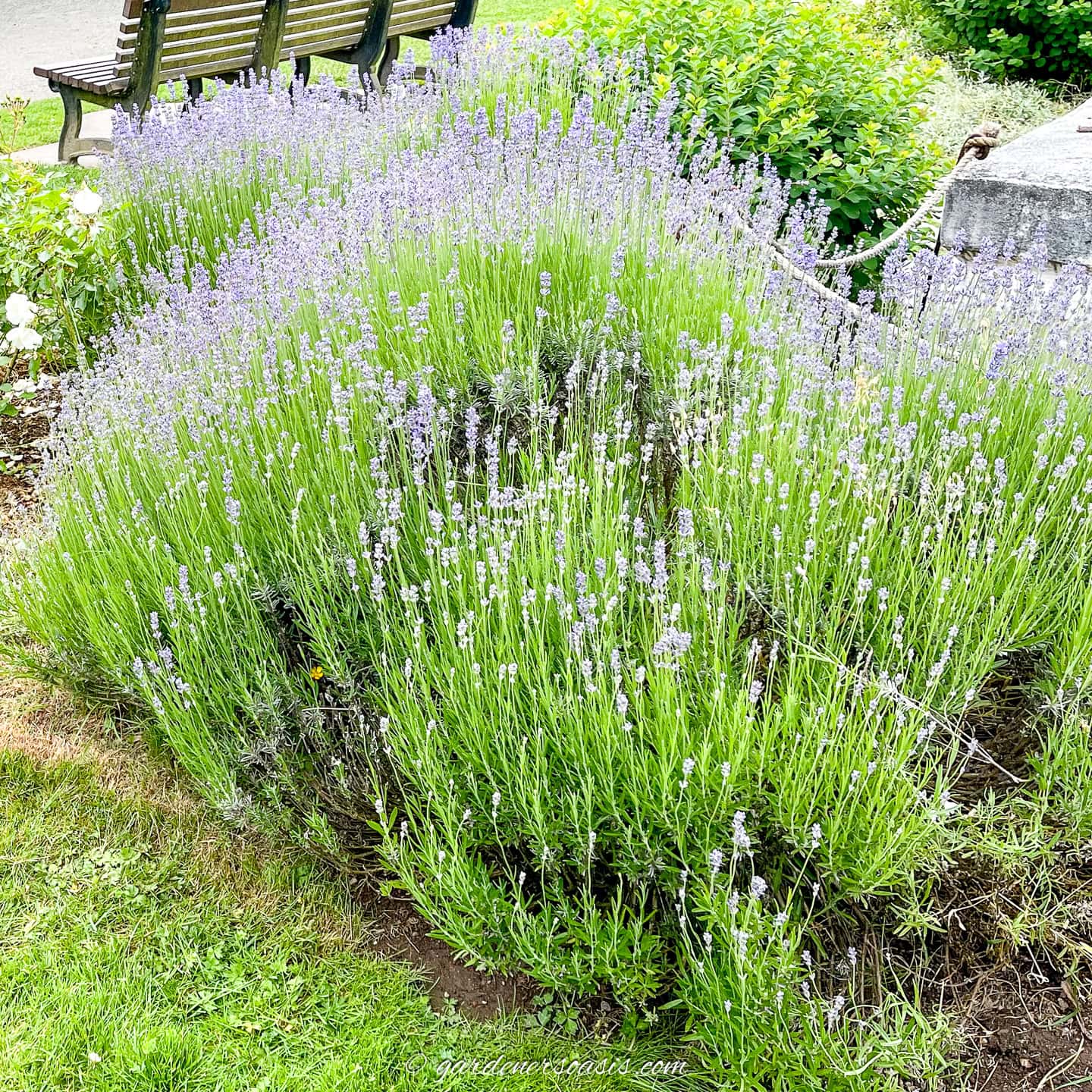
Why it’s a mistake: Many marginally hardy plants rely on their natural growth to provide insulation and wind protection through winter. Pruning removes this crucial protection.
Plants to leave alone until spring:
- Tender roses (especially tea roses and climbing varieties)
- Ornamental grasses
- Marginally hardy perennials like lavender
- Butterfly bush in colder zones
The fix: These plants may look “messy” through winter, but that’s exactly the point. Their dead stems and leaves provide natural mulch and wind barriers. Wait until late winter or early spring to cut them back.
Mistake #5 | Using dirty or dull tools
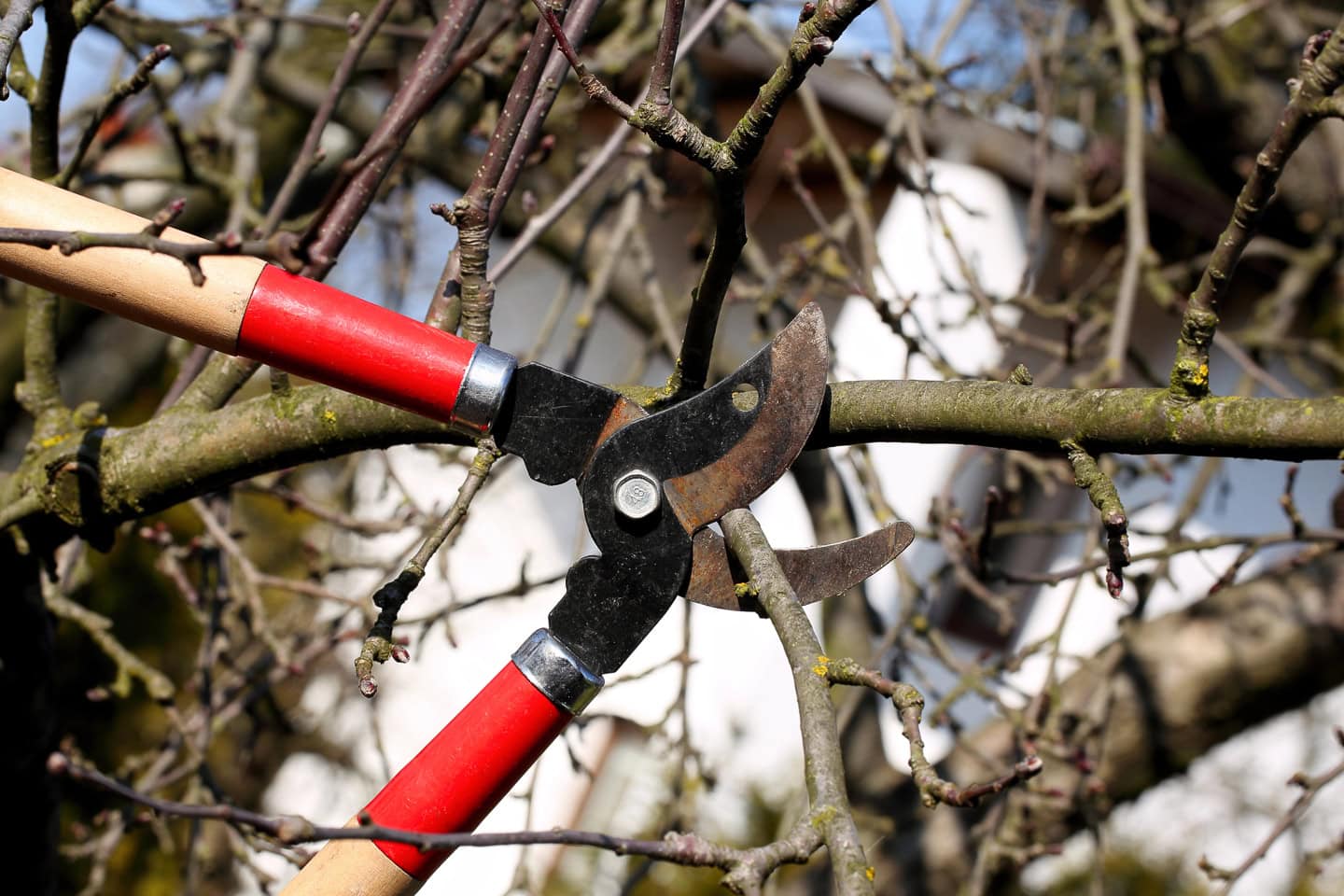
Why it’s a mistake: Dirty pruning tools are like using a contaminated scalpel. They spread diseases from plant to plant. Dull tools crush and tear tissues instead of making clean cuts, creating wounds that struggle to heal and are more susceptible to infection.
The fix:
- Clean tools with rubbing alcohol or a 10% bleach solution between plants.
- Keep blades sharp with regular sharpening or replacement.
- Consider having separate tools for diseased plants.
- Replace tools when they can no longer be properly sharpened
Mistake #6 | Cutting too close to a bud or branch collar
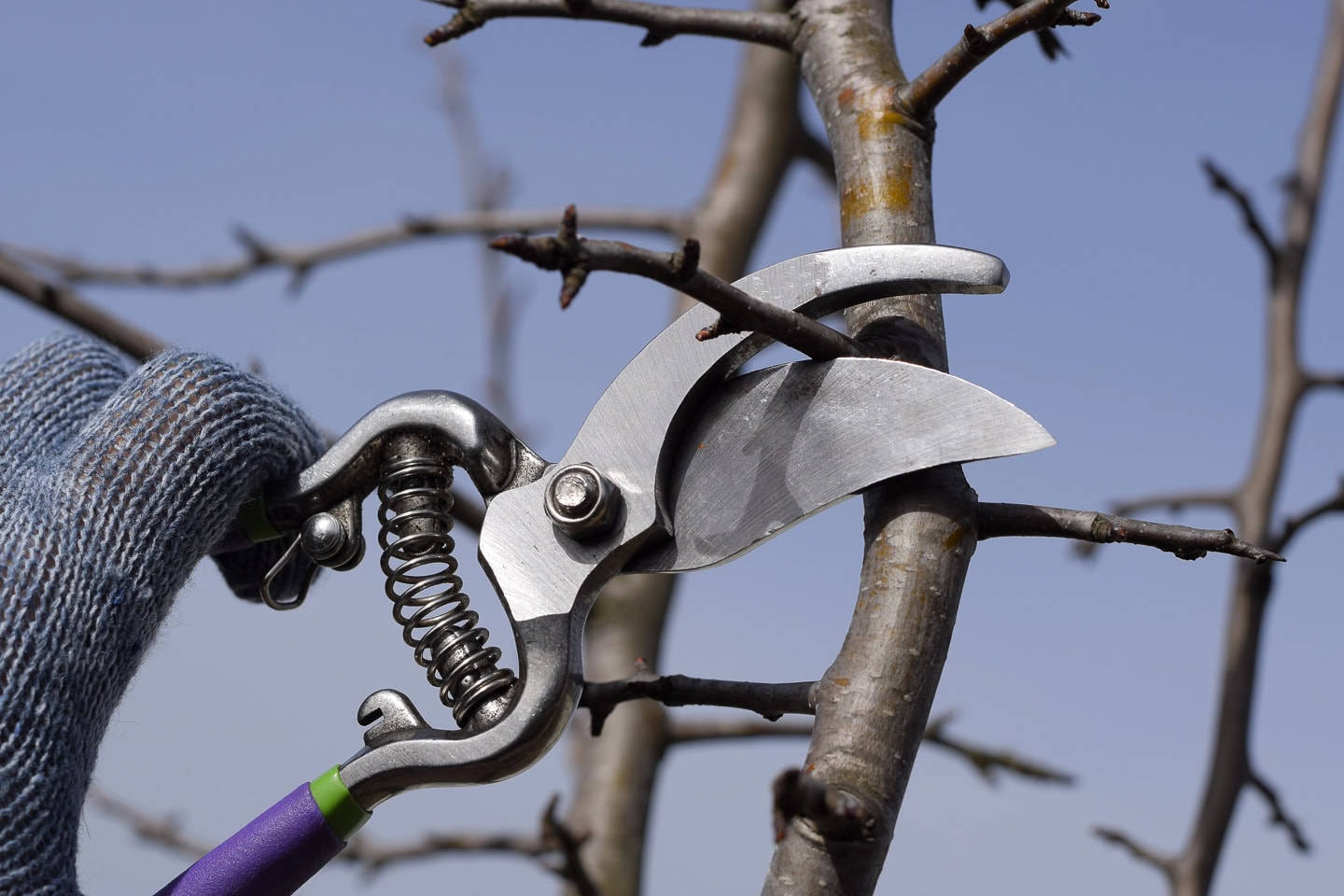
Why it’s a mistake: Where you make your cut is just as important as when you make it. Cutting too close damages the plant’s natural healing mechanisms and can kill buds or prevent proper wound closure. This is one of the most common technique errors that leads to disease, decay, and plant death.
For cuts near buds (on stems and canes):
- Too close: Damages or kills the bud you’re trying to save.
- Too far: Leaves a stub that dies back and can invite disease.
- Just right: Cut at a 45-degree angle about 1/4 inch above the bud, slanting away from it.
For removing entire branches (on trees and shrubs):
- The branch collar: That slightly swollen area where the branch meets the trunk or larger branch.
- Too close (flush cut): Removes the branch collar and damages the trunk, preventing proper healing.
- Too far (stub cut): Leaves dead wood that can decay and allow disease to enter.
- Just right: Cut just outside the branch collar, preserving this crucial healing tissue.
Why the branch collar matters: This specialized tissue contains the cells that will close over the wound. Remove it, and you’ve removed the plant’s ability to heal properly. The wound will likely never close completely and becomes a permanent entry point for disease and decay.
Visual cues to find the branch collar:
- Look for the slight ridge or swelling where the branch connects
- The bark texture often changes at this junction
- There’s usually a visible line or wrinkle pattern
- On most trees, it creates a slight bulge
The fix: Take your time to identify the correct cutting location before making any cut.
Mistake #7 | Pruning in wet conditions
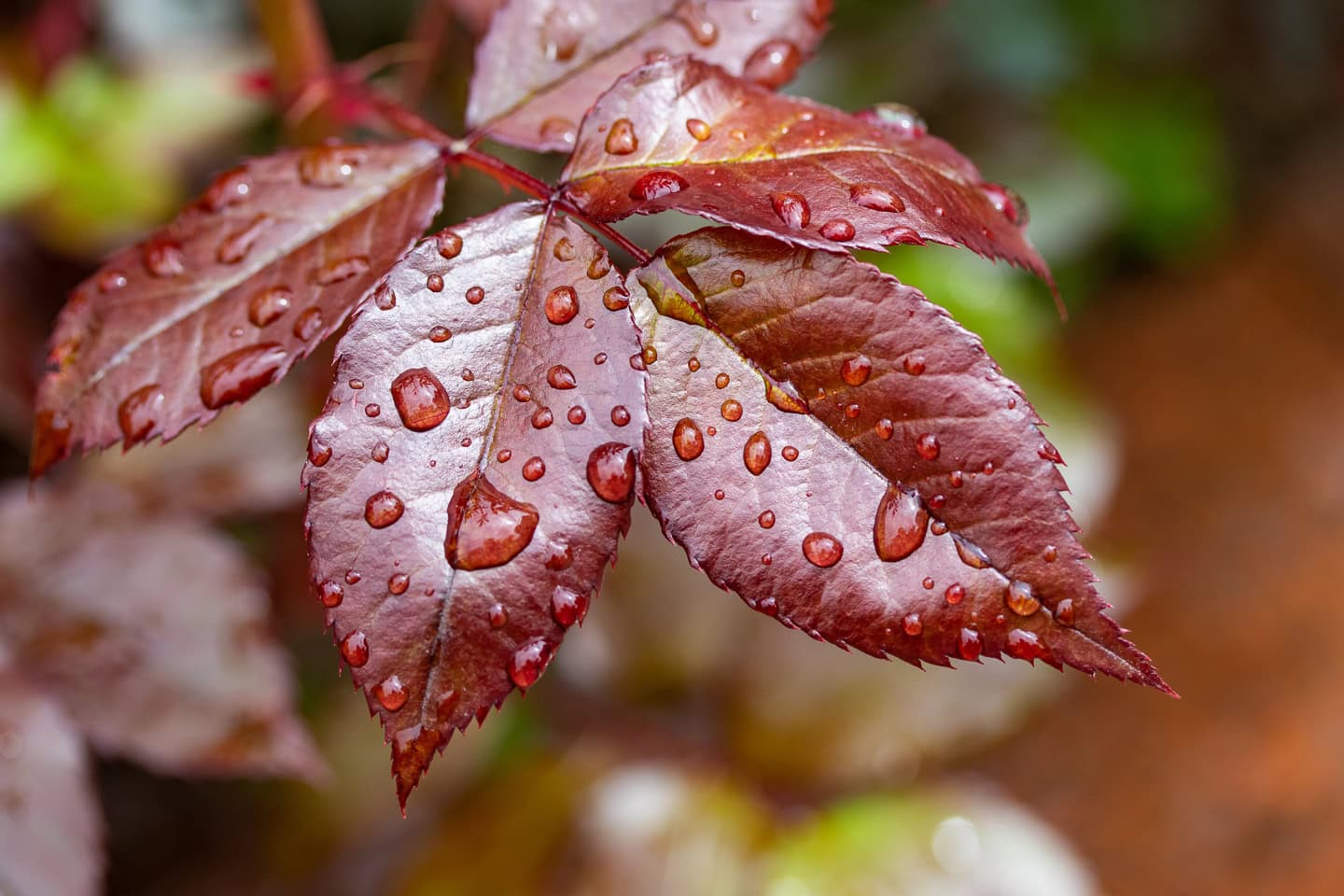
Why it’s a mistake: Wet conditions are ideal for spreading fungal and bacterial diseases. Pruning when plants are wet from rain, dew, or irrigation creates perfect conditions for pathogens to enter fresh wounds.
The fix: Always wait for dry conditions, even if it means postponing your pruning session. A few extra days won’t hurt, but disease infection can kill your plants.
Mistake #8 | Removing all dead-looking growth
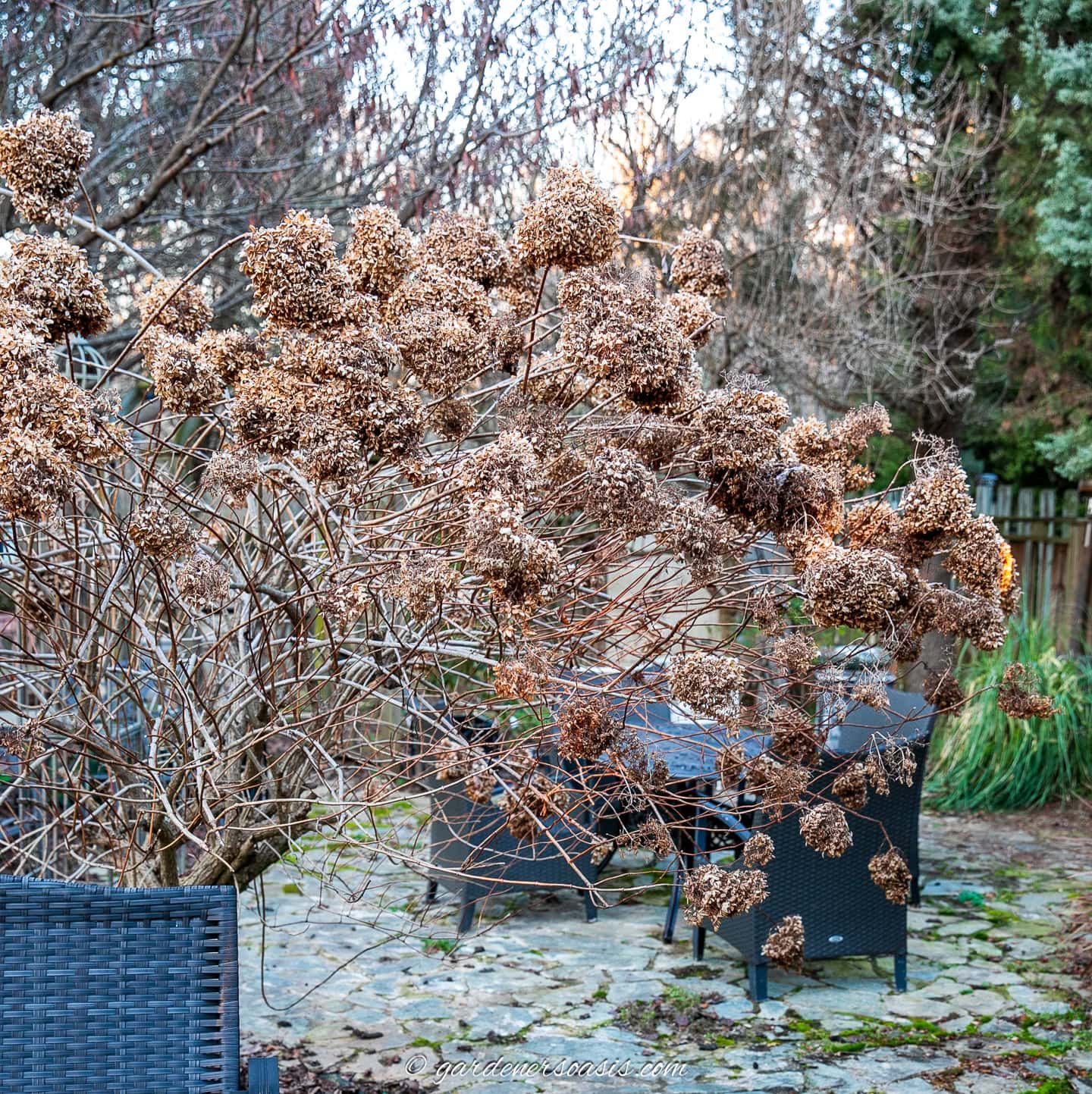
Why it’s a mistake: Many seed heads and berry-producing branches provide crucial winter food for birds and beneficial insects. So cutting them off actually harms the environment.
What to leave standing:
- Ornamental grasses (cut in late winter instead)
- Perennial seed heads like echinacea, rudbeckia, and sedum
- Berry-producing branches on shrubs
- Dried flowers, such as Hydrangeas
The fix: Do this clean up in the late winter or spring. Not only does it help the wildlife, it also adds interest to your winter garden.
Mistake #9 | Applying sealant
Why it’s a mistake: For decades, gardeners were told to seal pruning cuts with tar, paint, or commercial wound dressing. Modern research has completely debunked this practice. Trees have their own defense mechanisms and heal better when left alone.
What actually happens:
Sealants can:
- Trap moisture and disease inside the wound.
- Prevent the tree from forming its natural protective callus.
- Create a moist environment perfect for disease development.
- Interfere with the compartmentalization process trees use to wall off damage.
The fix: Make clean cuts and leave them alone. Trees and woody plants have evolved for millions of years to heal their own wounds.
The only exception: Some areas with specific pests and diseases (like oak wilt zones) may require immediate paint application to prevent insect vectors from spreading disease through fresh wounds. Always check with your local extension office for region-specific recommendations.
Mistake #10 | Hard pruning woody perennials
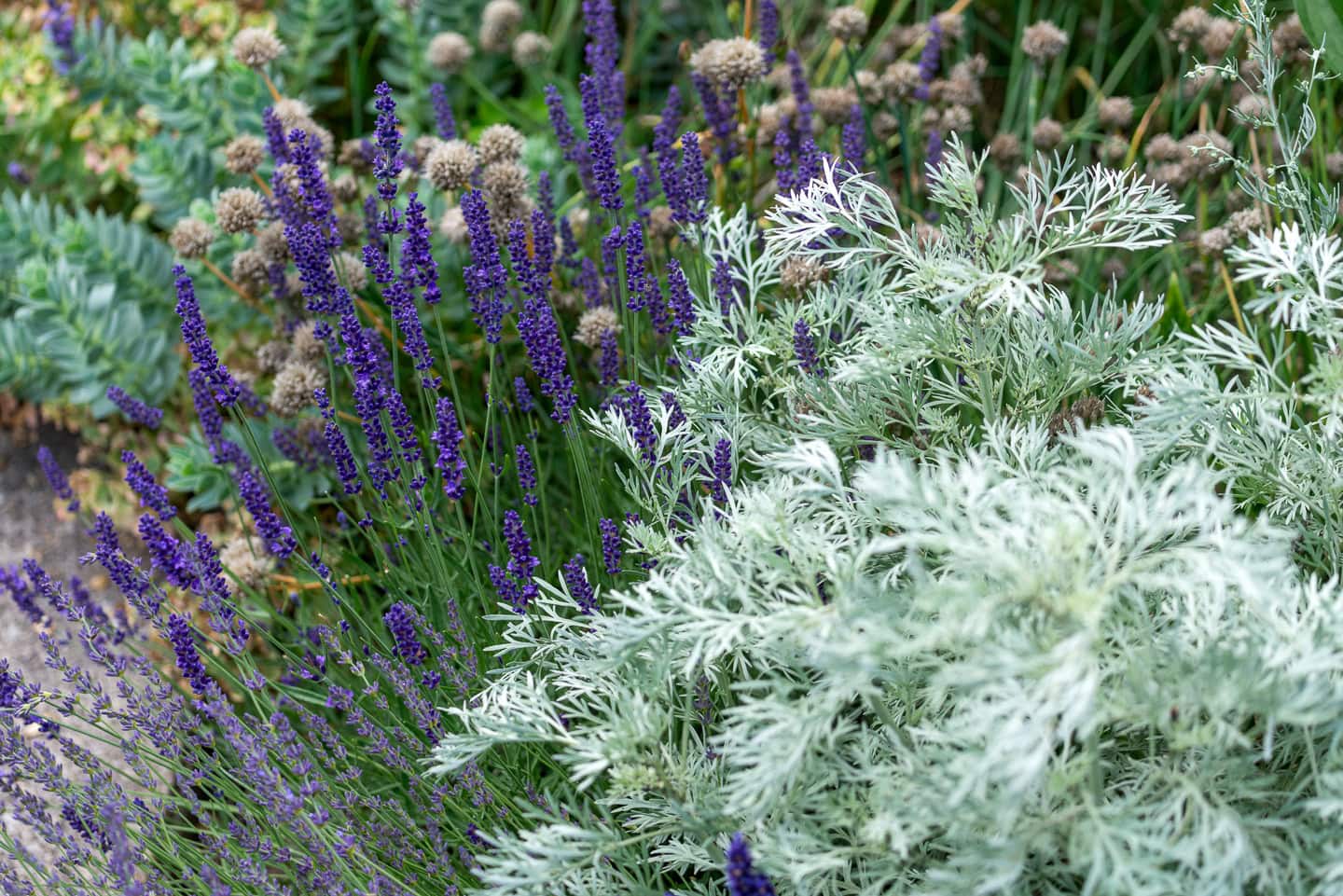
©eugen – stock.adobe.com Why it’s a mistake: Woody perennials like lavender, Russian sage, and rosemary have a fatal flaw—they cannot regenerate from old, woody stems. Cut back too far into the woody growth, and you’ve essentially killed the plant. Unlike true shrubs, these plants won’t send up new shoots from old wood.
High-risk plants:
- Lavender (all varieties)
- Russian sage
- Rosemary
- Santolina (cotton lavender)
- Artemisia varieties
- Catmint (Nepeta)
- Mediterranean herbs
The fix: Follow the “one-third rule”. Never remove more than one-third of the plant’s green growth. Always leave plenty of leafy stems above the woody base. For these plants, light trimming in late spring after new growth appears is much safer than aggressive fall cutting.
The safe fall pruning list
So what CAN you safely prune in fall? Focus on these tasks:
- Dead, diseased, or damaged wood (the “3 Ds”): Remove these any time of year
- Water sprouts and suckers: These weaken the main plant
- Light shaping of summer-blooming shrubs: Plants that bloom on new wood
- Crossing or rubbing branches: Prevent future damage
- Emergency removals: Safety always comes first
The bottom line: When in doubt, wait
Here’s the bottom line: spring pruning is almost always safer than fall pruning.
While you might feel the urge to “clean up” your garden before winter, remember that nature doesn’t prune itself in fall.
Many plants rely on their natural growth to survive winter’s challenges.
Instead of reaching for the pruners this fall, focus your energy on other garden tasks: raking leaves, mulching beds, winterizing garden tools, and planning next year’s garden.
Your plants will thank you come spring when they emerge healthy, vigorous, and ready to bloom.
Sometimes the most loving thing you can do for your plants is simply leave them alone.
Have comments or questions about these fall pruning mistakes? Tell us in the section below.