
Must-try New Plants For 2026
These new plants for 2026 include my favorite long-blooming, easy-to-grow perennials and shrubs that add beauty and color to any garden. These fresh varieties can make your outdoor space more vibrant and low-maintenance, giving you more time to enjoy it.

One of my favorite things to do each year is look through the new plant introductions and see what’s coming our way.
Some of these are plants I wish I could grow if my climate cooperated, and others are going straight onto my “must try” list.
If you like unique colors, strong performers, and plants that bring something a little different to the garden, there are some really good ones to watch for this year.
Here are the new plants for 2026 that stood out to me and why I think they’re worth a closer look.

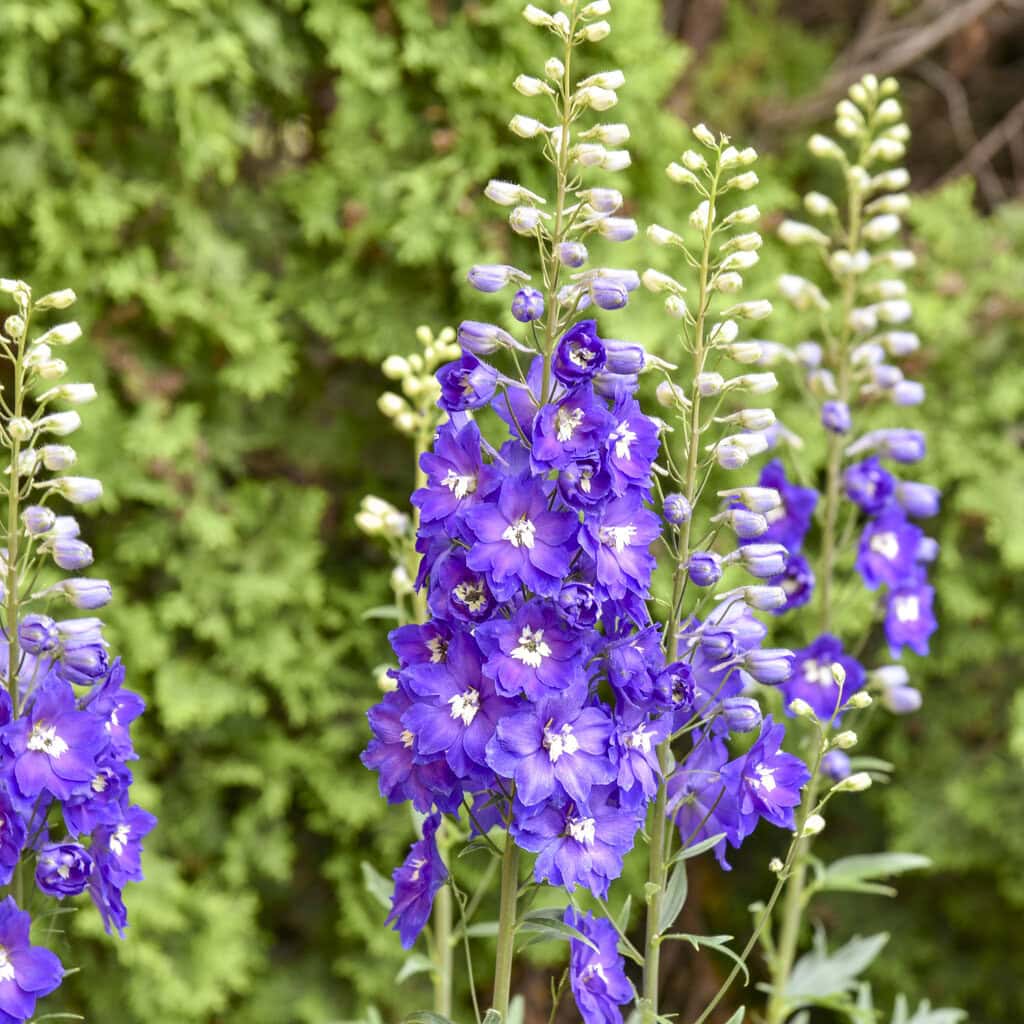
Image credit: Proven Winners I will always stop scrolling for a true blue flower, and this delphinium is gorgeous!
The color alone is enough to stop you in your tracks.
But what really makes this one interesting is that it’s supposed to have stronger stems than most delphiniums. Which means less staking.
Unfortunately, delphiniums don’t love the heat where I live, or I’d already be adding this one to my cart.
If you garden in a cooler climate, this is a beautiful option for early summer color.
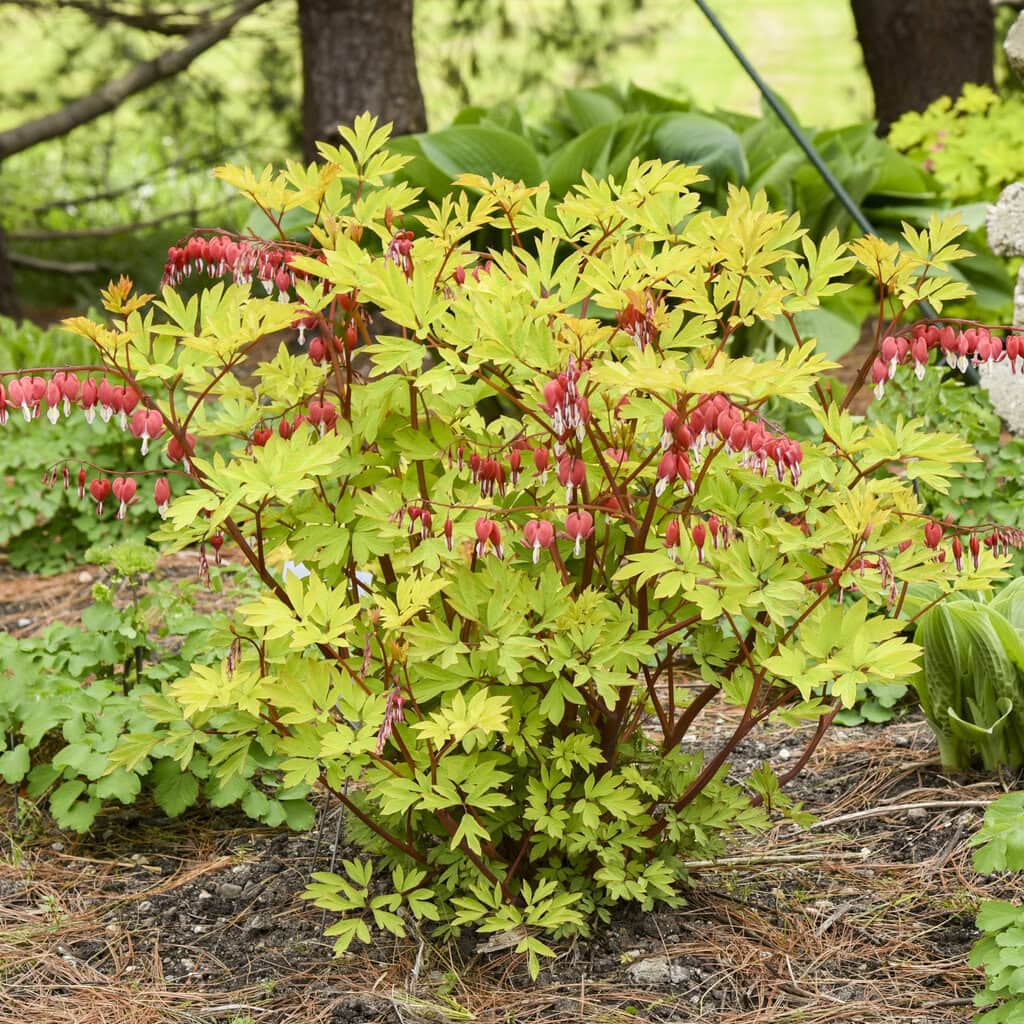
Image credit: Proven Winners This new Bleeding Heart variety pulled me in immediately because of the great color contrast.
The yellow-green foliage paired with bright red flowers is such a great combination, especially in a shade garden where bold color can be harder to come by.
It blooms in late spring and has a nice height and spreading habit, making it easy to tuck into partially shaded beds.
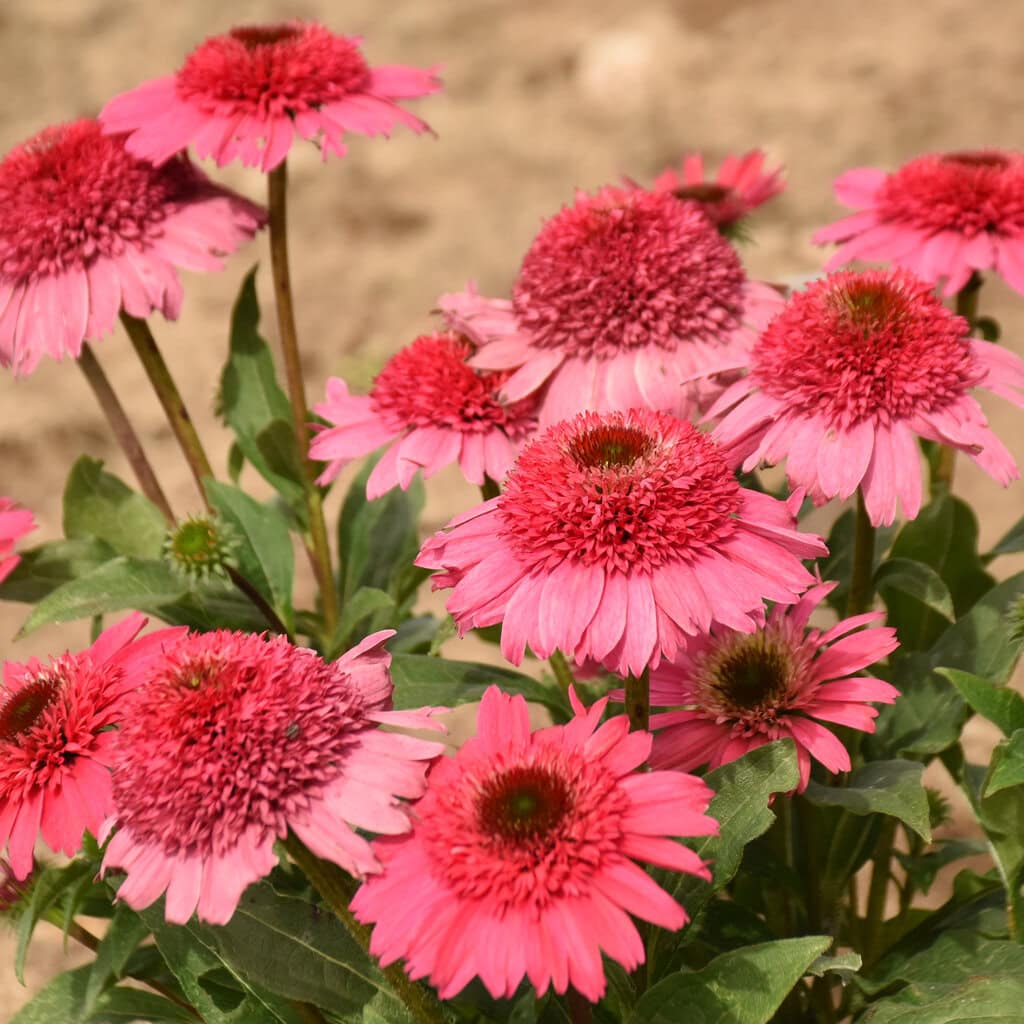
Image credit: Proven Winners Coneflowers are always garden workhorses, but this one brings something extra.
It’s shorter and more compact than many varieties, which makes it perfect for the front of a border where taller coneflowers can sometimes feel a bit gangly.
The coral color is warm and cheerful, and it blooms from summer into fall.
Once established, it’s drought tolerant, which is always a bonus.
So if you love long-lasting color without a lot of fuss, this is a great option.
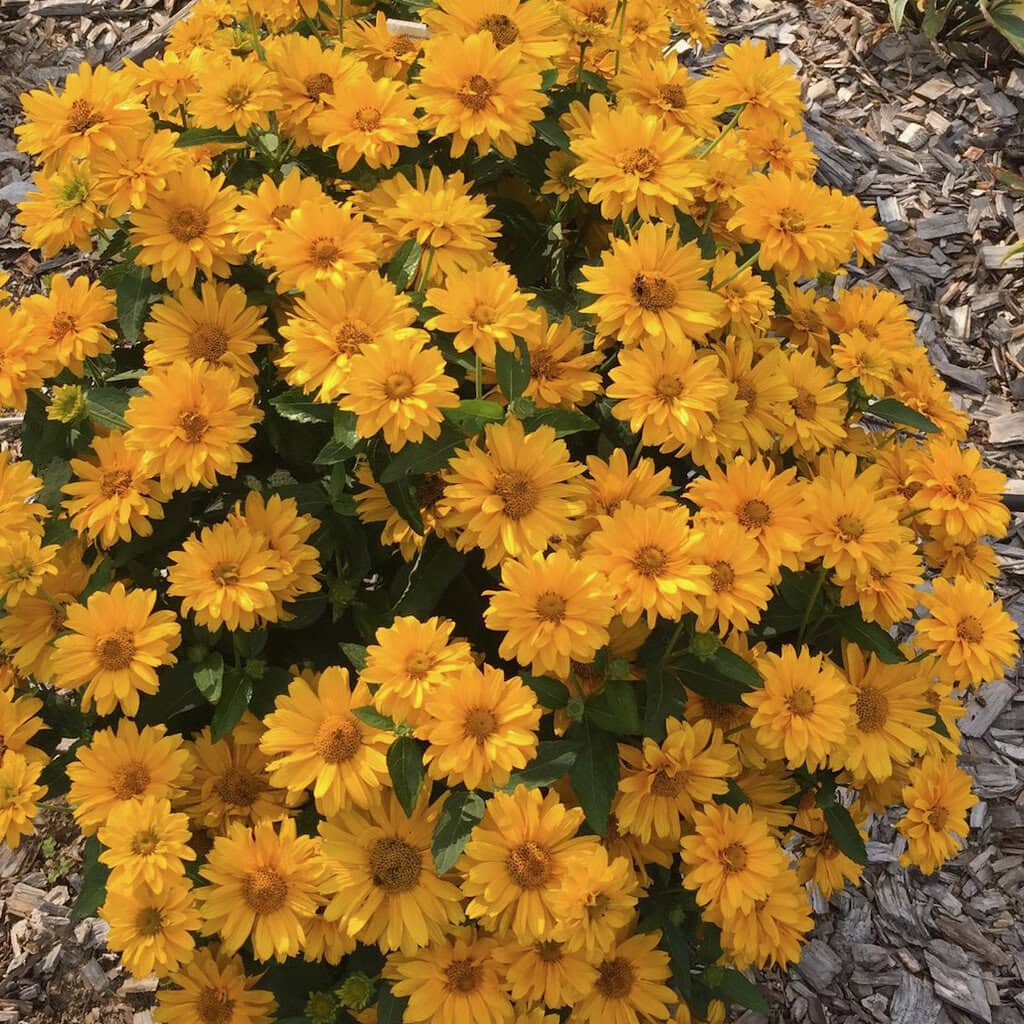
Image credit: Proven Winners If you like plants that are absolutely covered in blooms, this false sunflower is hard to ignore.
“Athena Gold™” is shorter than many other false sunflower varieties but still puts on a nonstop show all summer long.
It’s bright, cheerful, and dependable, which makes it an easy addition to sunny gardens where you want consistent color.
I love plants like this that just keep going without needing much attention.
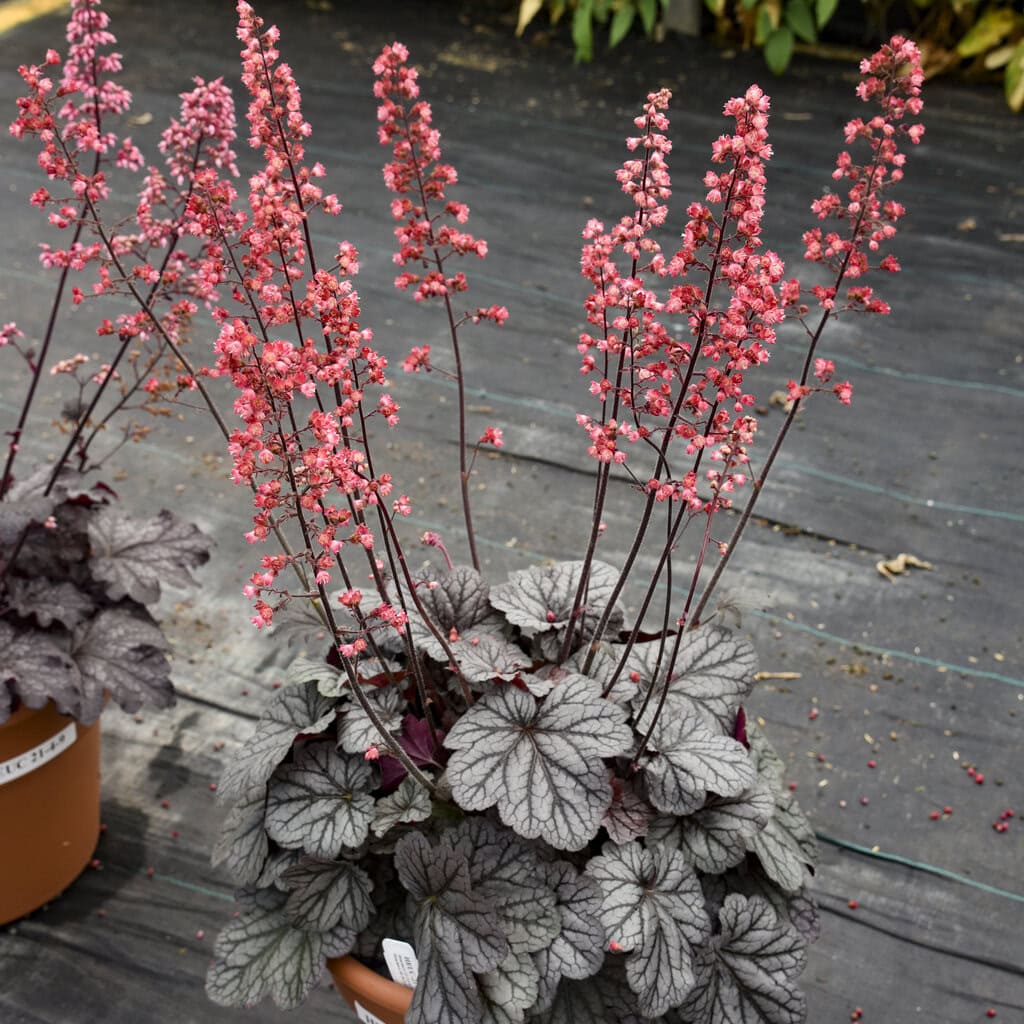
Image credit: Proven Winners I’m a sucker for dark foliage, so this coral bells variety had me immediately.
The deep leaves paired with soft pink flowers create a really pretty contrast that works in both sun and shade.
Another reason I like this one is that it blooms in mid-summer, which is a little later than many Heucheras.
That makes it a great way to extend color in the garden when spring bloomers are starting to fade.
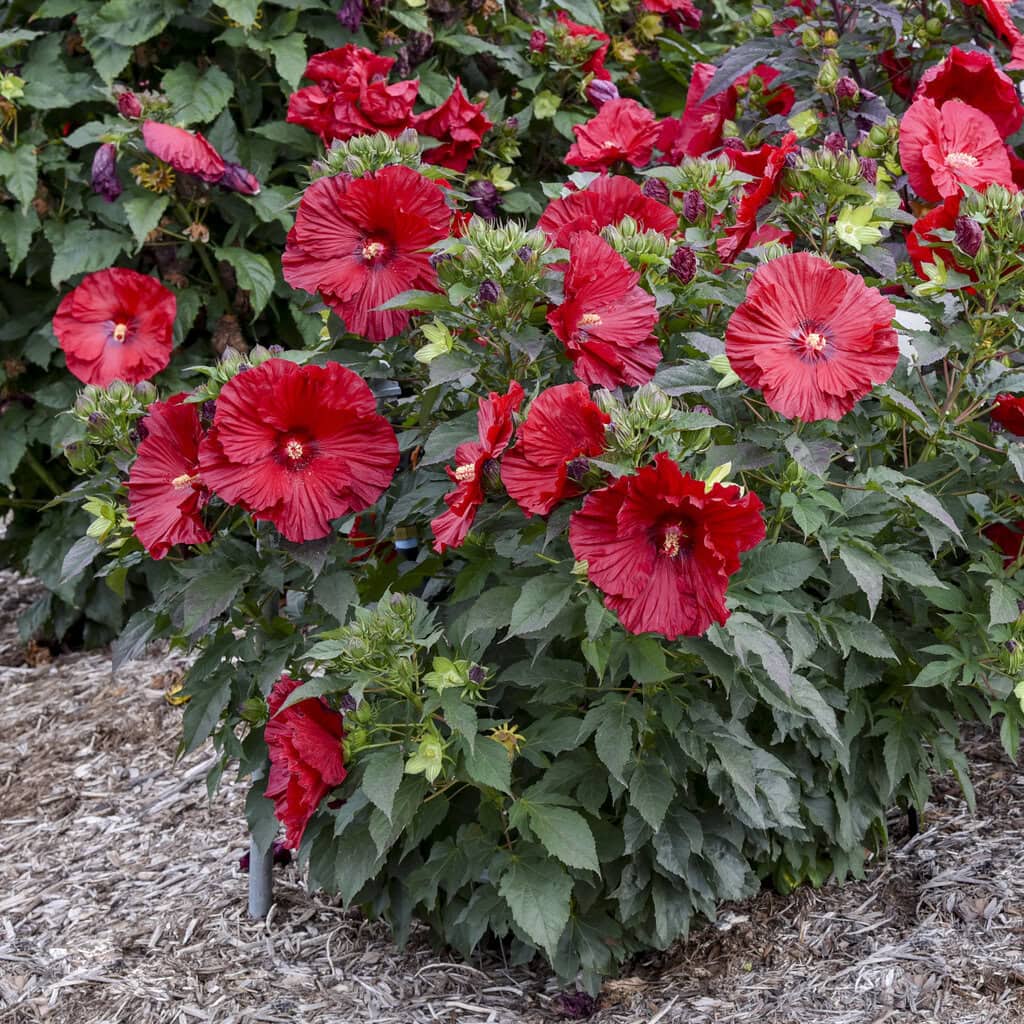
Image credit: Proven Winners The bright red flowers on this new Rose Mallow variety are total show stoppers!
I also like that this variety is a bit shorter than many other hibiscus, which makes it easier to use as a middle-of-the-border plant instead of having to place it all the way in the back.
Like most hibiscus, it emerges later in the season, so don’t panic if you think it didn’t make it through winter.
It also blooms later than many perennials, making it a fantastic way to add color in late summer and early fall when gardens can start to look tired.

Image credit: Proven Winners The yellow foliage with purple flowers is what first caught my eye with this “Lemon Purrfection” Catmint.
But then I read that it also re-blooms, and I was sold.
It’s low growing, easy to care for, and attracts pollinators.
If you like plants that fill in nicely and keep looking good without constant maintenance, this new perennial is a great choice.
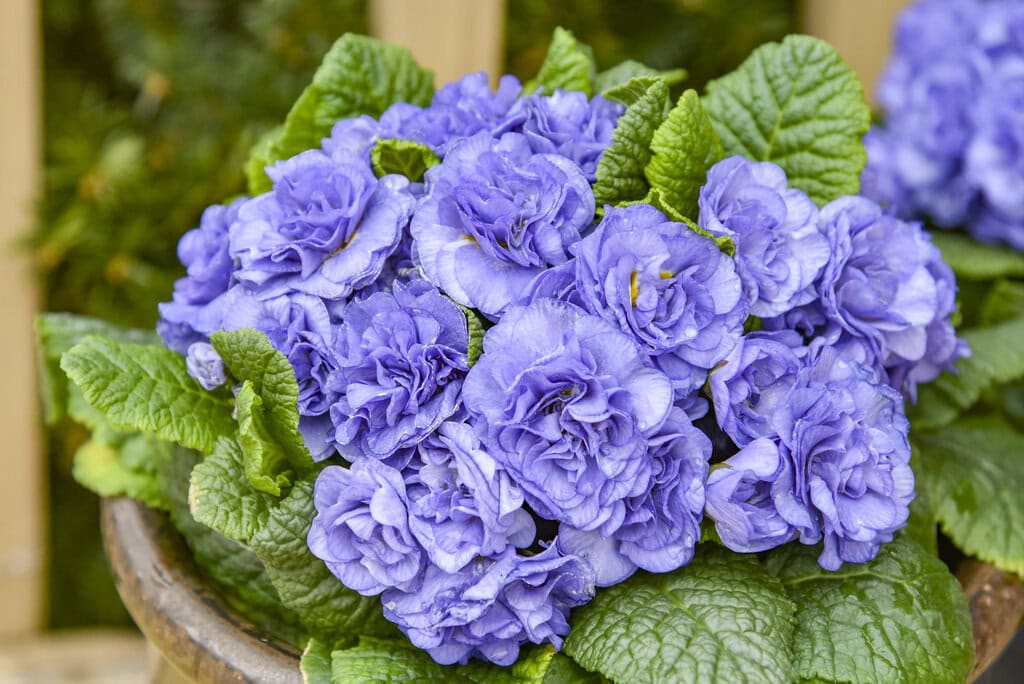
Image credit: Proven Winners I love, love, love the color of these blue primroses!
Although they are really more of a purple-blue, they bring a watercolor look that feels soft and fresh in the early spring garden.
Primroses thrive in the shade and are some of the first flowers to bloom, which makes them perfect for waking up the garden after winter.
They’re compact, low maintenance, and happy in a range of soil conditions, so there’s really not much to dislike.
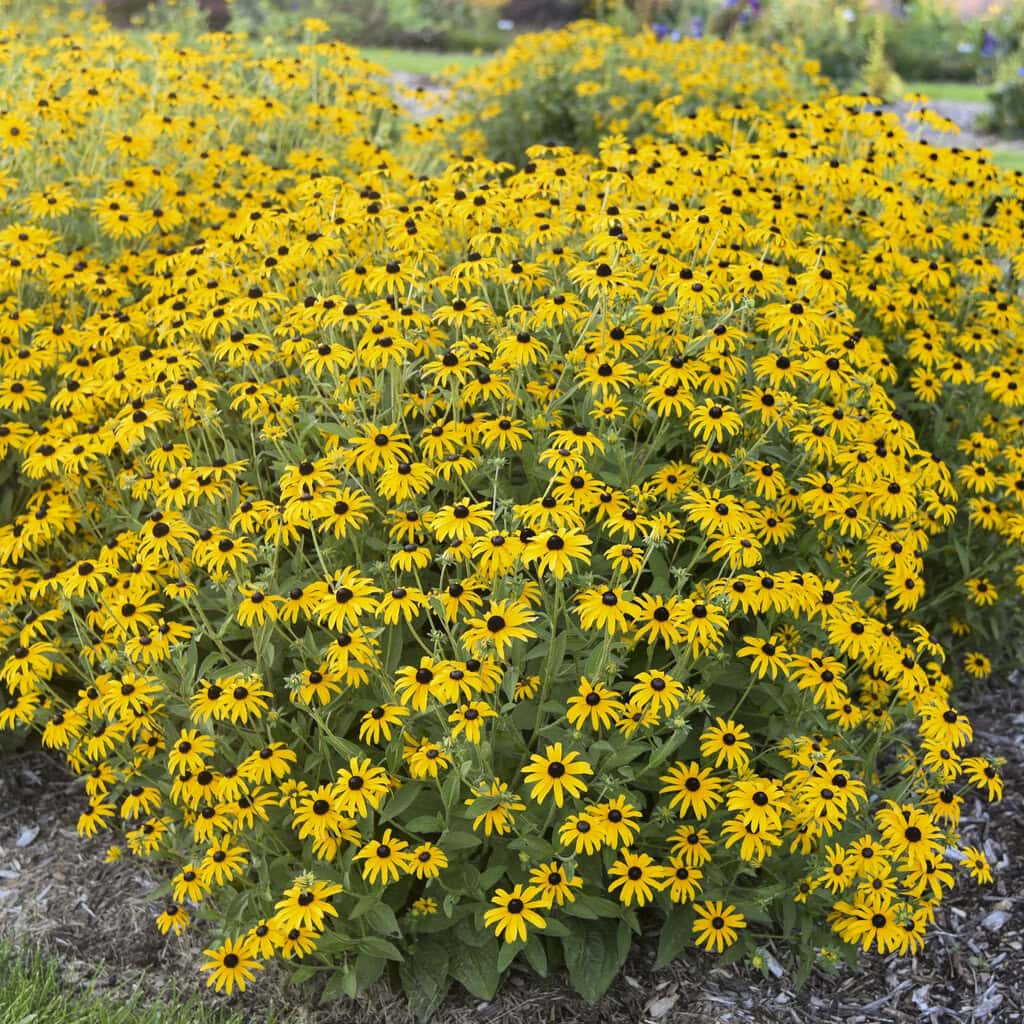
Image credit: Proven Winners This Black-eyed susan variety is the kind of plant that earns its keep.
Bright, cheerful blooms completely cover the plant and last from summer into fall, providing long-lasting color when many other perennials are done.
It thrives in sun to part sun and works beautifully in mixed borders.
If you love native plants that bring reliable late-season color, this one is an easy win.
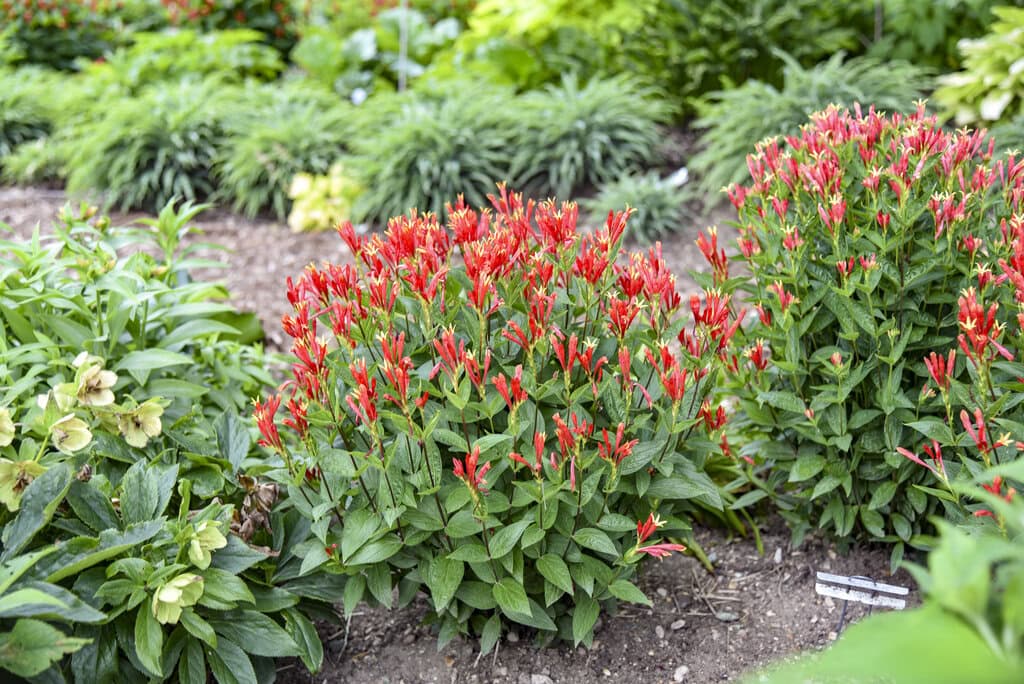
Image credit: Proven Winners Spigelia is a native plant that checks a lot of boxes.
It blooms from late spring through late summer, works well in part shade, and attracts hummingbirds.
The flowers are bold and cheerful, and it also makes a great cut flower.
If you’re trying to build a garden that supports wildlife while still looking colorful and polished, this perennial is a fantastic option.
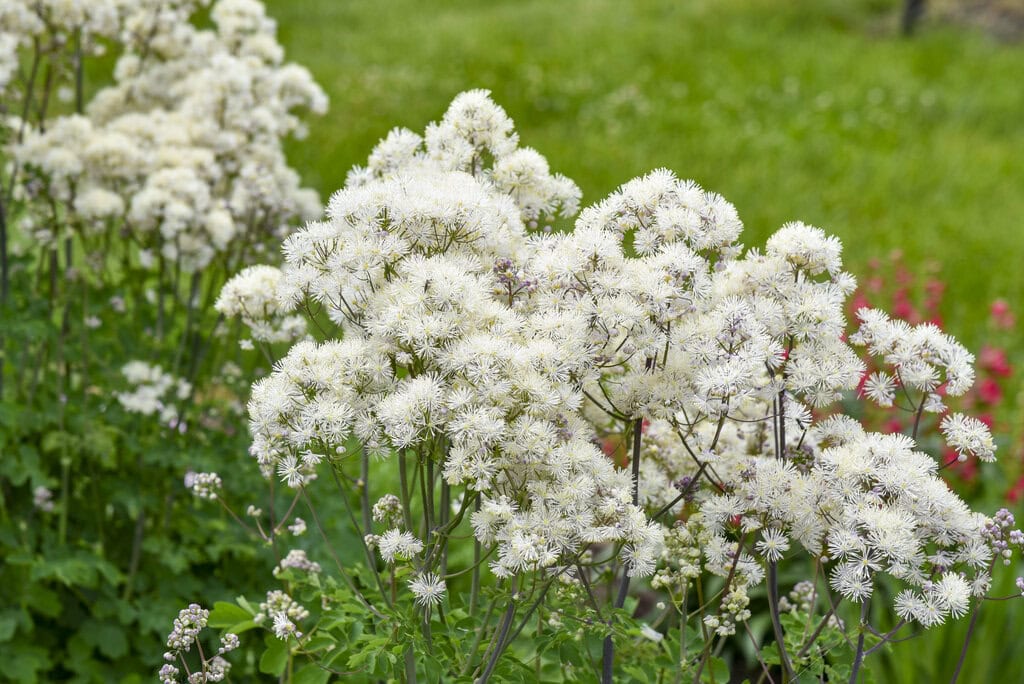
Image credit: Proven Winners This meadow rue has a light, airy look that works especially well in mixed borders.
The dark stems contrast beautifully with the fluffy white flowers and fine, lacy foliage, giving it texture without feeling heavy.
It’s a tall plant, but it blends in easily rather than overpowering nearby perennials.
Planted toward the back of a border, it adds height and movement through summer and works nicely mixed in with other plants instead of standing on its own.
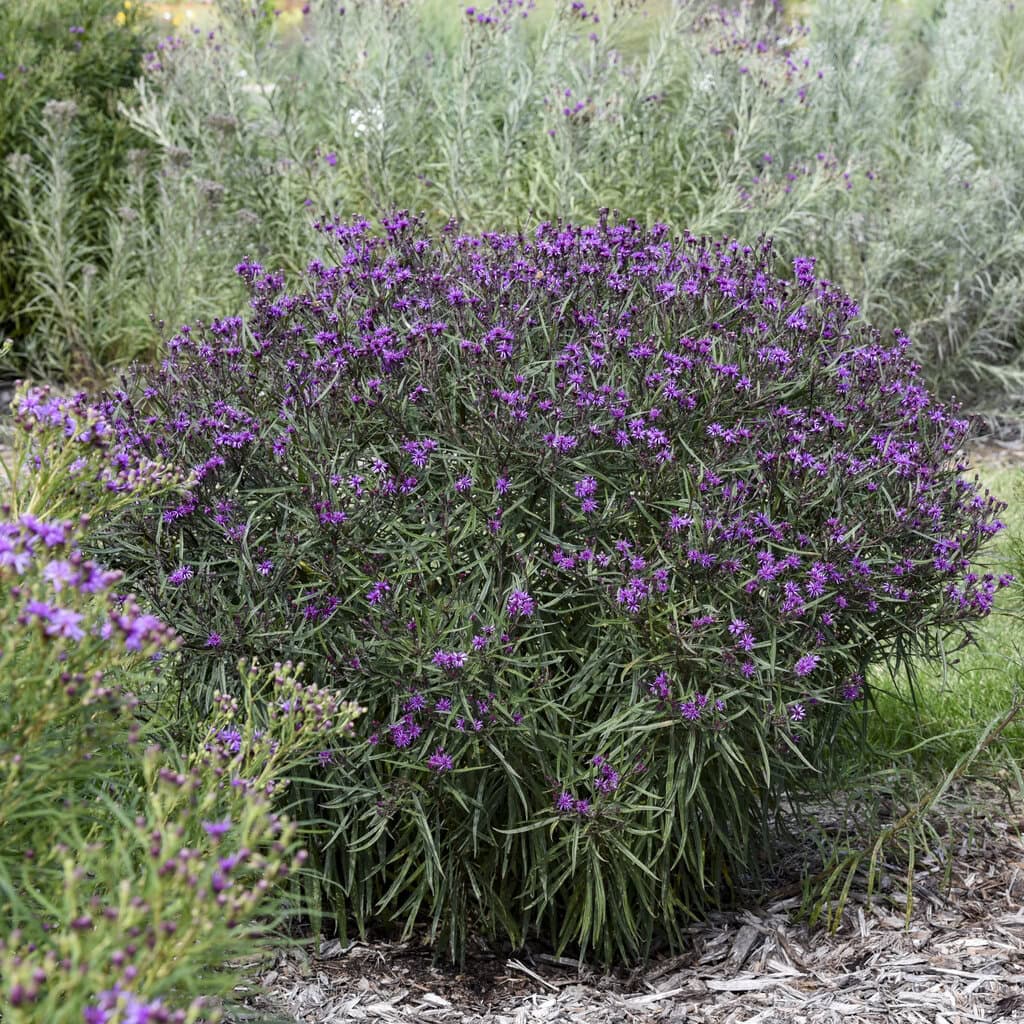
Image credit: Proven Winners This North American native blooms late in the season and is a magnet for pollinators.
The rich color adds depth to late summer and early fall gardens when many plants are starting to fade.
I also love the pointy leaves, which add an interesting contrast to softer, rounder foliage in the border.
If you enjoy tall plants that bring structure and late-season interest, this one fits right in.

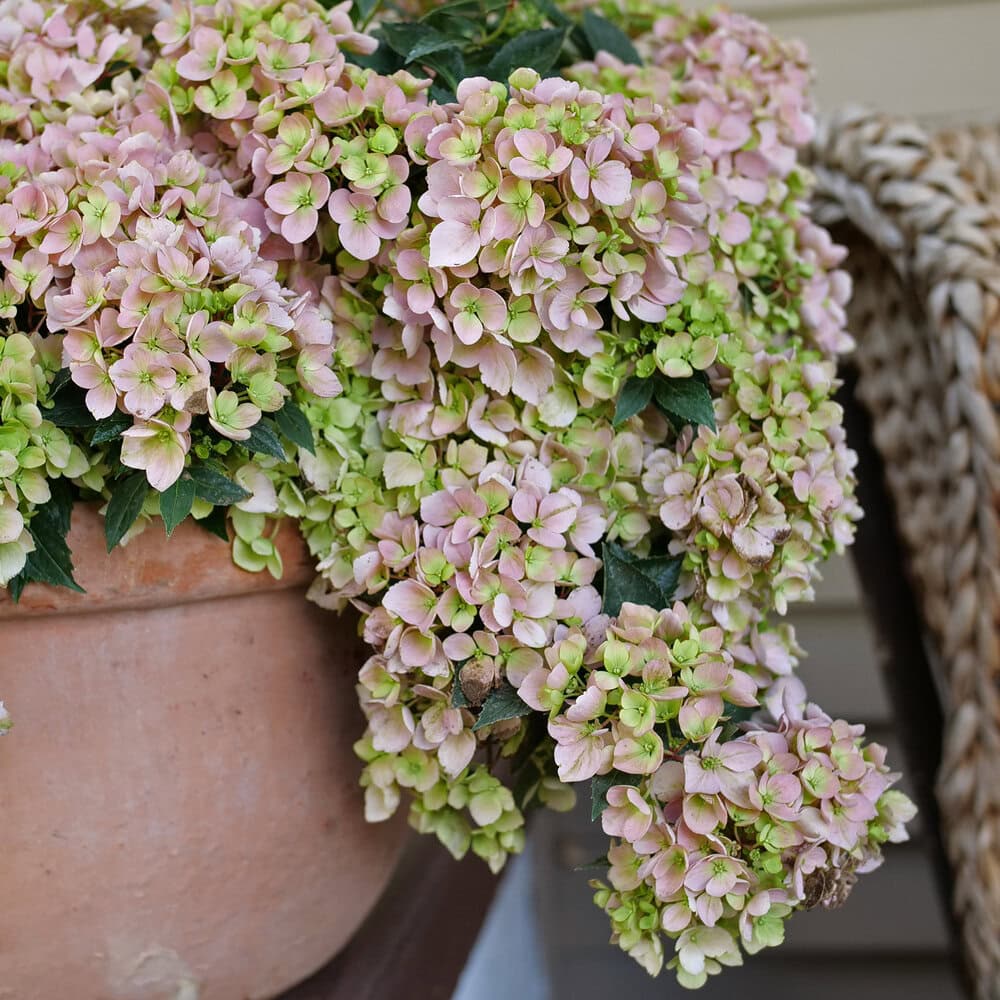
Image credit: Proven Winners These cascade hydrangeas have a naturally trailing habit that works well in containers or when planted in groups.
The blooms are pink or blue, depending on the acidity of your soil, and appear in spring on a compact plant that doesn’t take up much space.
I already have a few white ones in my garden, but these colored versions are tempting if you want to add a little more interest early in the season.
They do well in part shade and fit nicely in smaller gardens or along the front of beds.
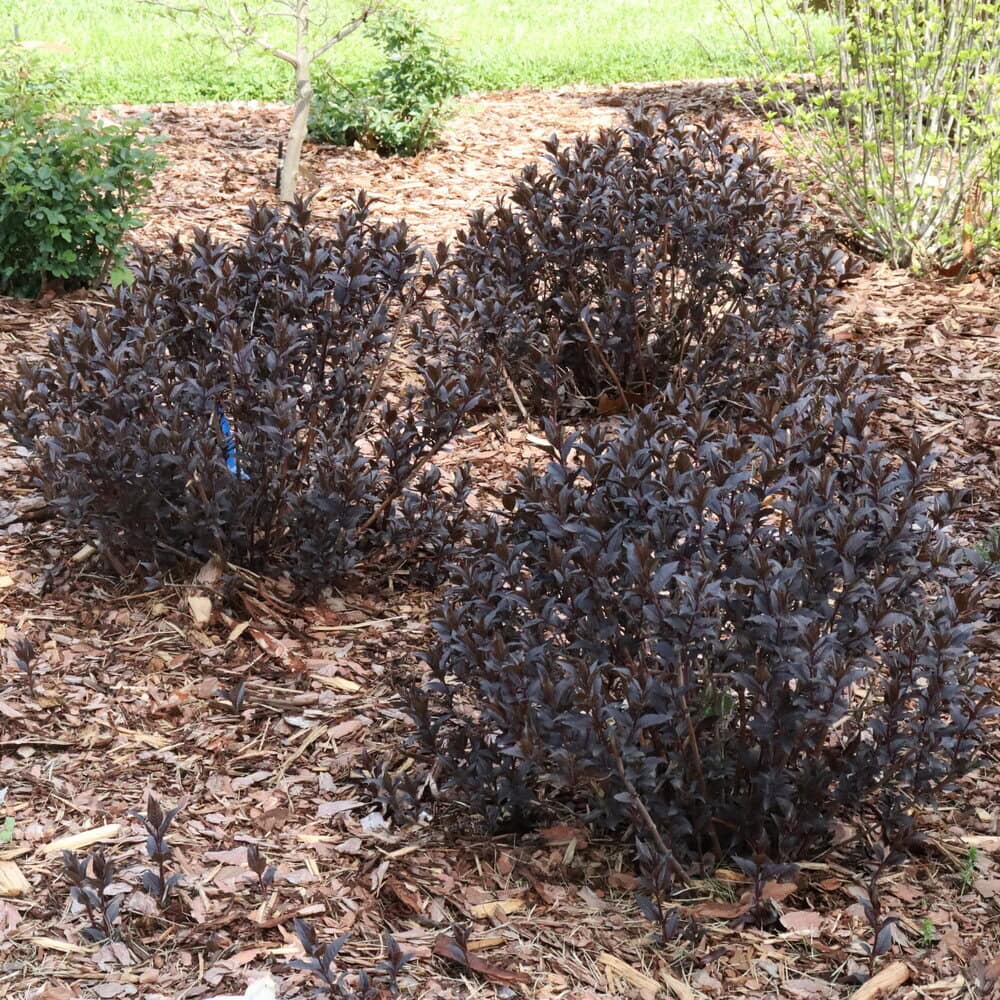
Image credit: Proven Winners The nearly black foliage on this Diervilla is what really makes it interesting, especially paired with the yellow flowers that appear in summer.
Even though it’s often referred to as bush honeysuckle, this variety is not invasive, which is important.
It’s a native plant, easy to grow, and even works as a filler for flower arrangements.
So if you’re looking for a small shrub that adds foliage interest and doesn’t require much maintenance, this one is easy to work into a lot of garden styles.

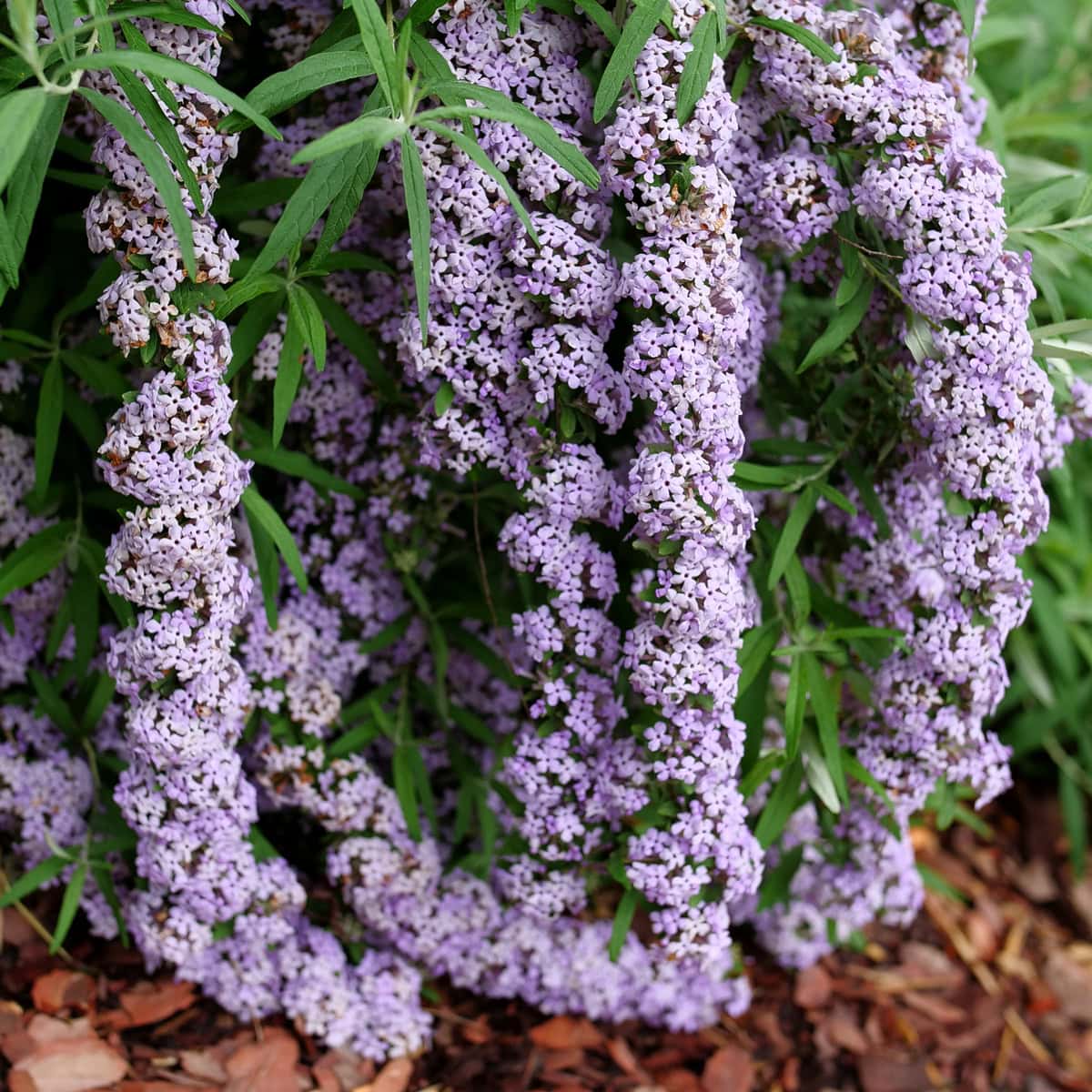
Image credit: Proven Winners As the name suggests, this butterfly bush has a trailing, fountain-like habit that gives it a completely different look from traditional varieties.
Pale purple, fragrant flowers appear in spring and cover the long, weeping branches.
It adds movement and a softer shape to the garden, which is a nice contrast to more structured shrubs.

New plants from other years