
How To Choose A Ceiling Light Fixture For Any Room
Choosing the right lighting can make a huge difference in how a room looks and feels, but figuring out how to choose a ceiling light fixture isn’t always as easy as it sounds. These are the questions I use to narrow down the options and figure out which ceiling lighting fixtures will work best for the room.

Overhead lighting can make a huge difference in how a room looks and functions.
But once you start shopping for a new light fixture, it’s easy to get overwhelmed by all the different styles, sizes and finishes that are available.
I’ve learned that it’s much easier to narrow down the choices if I answer a few important questions before I start shopping.
Since a light fixture is something I’m going to see every day for years, I want to make sure it’s not only the right size and style for the room, but also works well for the way the space is used.
So, if you’re trying to figure out how to choose the right ceiling light fixture for your space, these 7 questions will help make the decision much easier.
Get a FREE Room Makeover Workbook by signing up for our newsletter
You’ll also get access to our members-only resource library with all of our other printables.
We won’t send you spam. Unsubscribe at any time.
1 | What will the light fixture be used for?
The first thing I consider when choosing a light fixture is what the light actually needs to do.
A fixture that works well for ambient lighting may not be the best choice for task lighting, and vice versa.
General room lighting
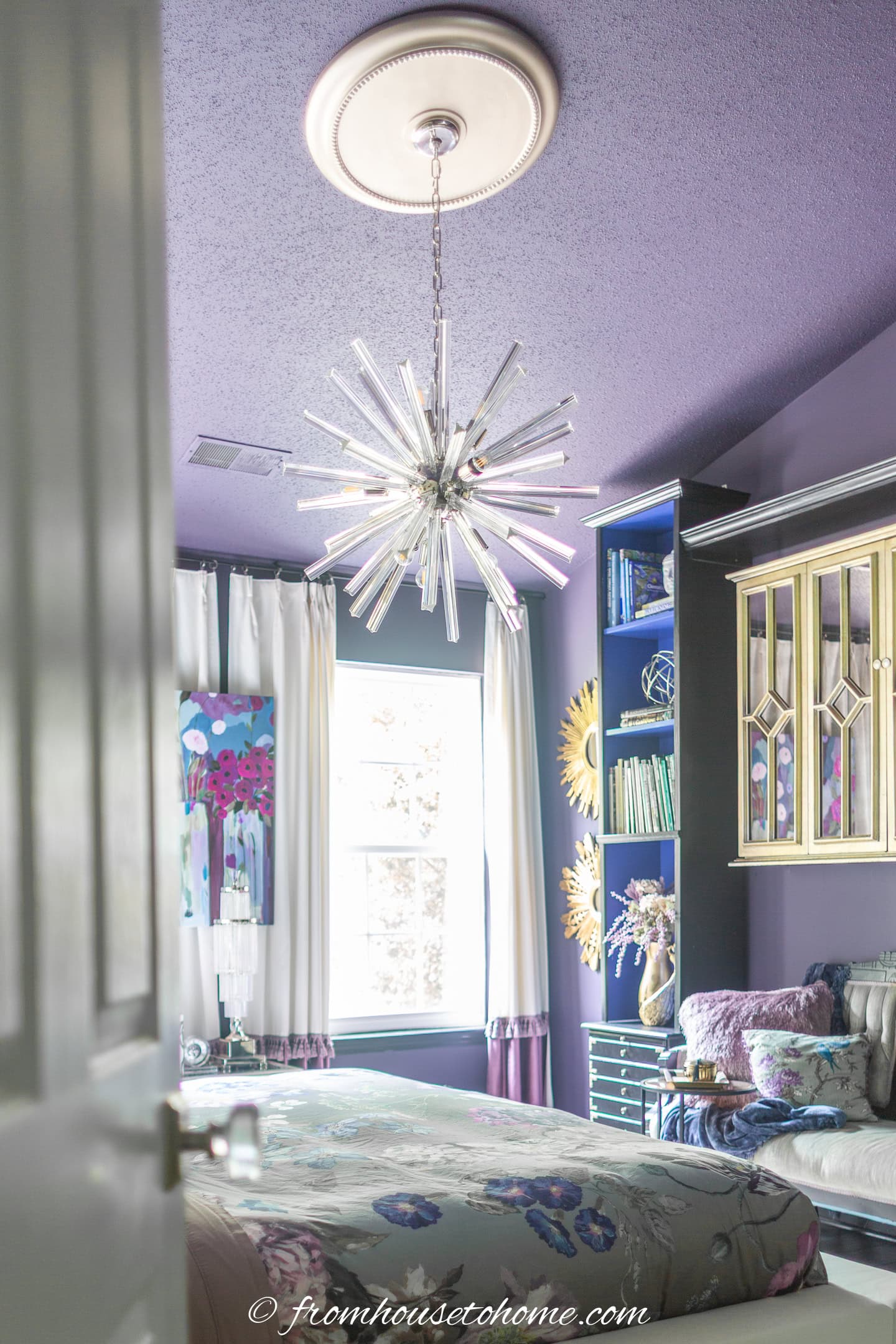
If the fixture will be the main source of light in the room, you’ll want something bright enough to light the entire space evenly.
That usually means selecting a fixture with multiple bulbs that allow the light to spread out across the room.
Because this type of fixture needs to light a whole room, you will also want to pay attention to the maximum watts. And choose something that can provide the equivalent light output of several 60-watt bulbs.
Task lighting
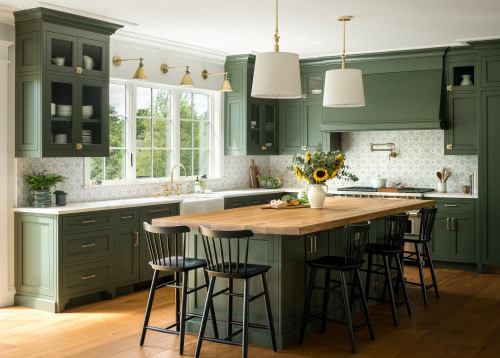
For task lighting, the goal is the opposite. You want the light focused where you need it most.
Pendant lights over a kitchen island, recessed lights over countertops, and adjustable track lighting are all good options because they direct the light onto the work surface instead of scattering it around the room.
Since these fixtures are used for cooking, reading or working, they need brighter bulbs. So, you’ll want fixtures that can handle the equivalent of at least a 100-watt bulb.
Accent lighting
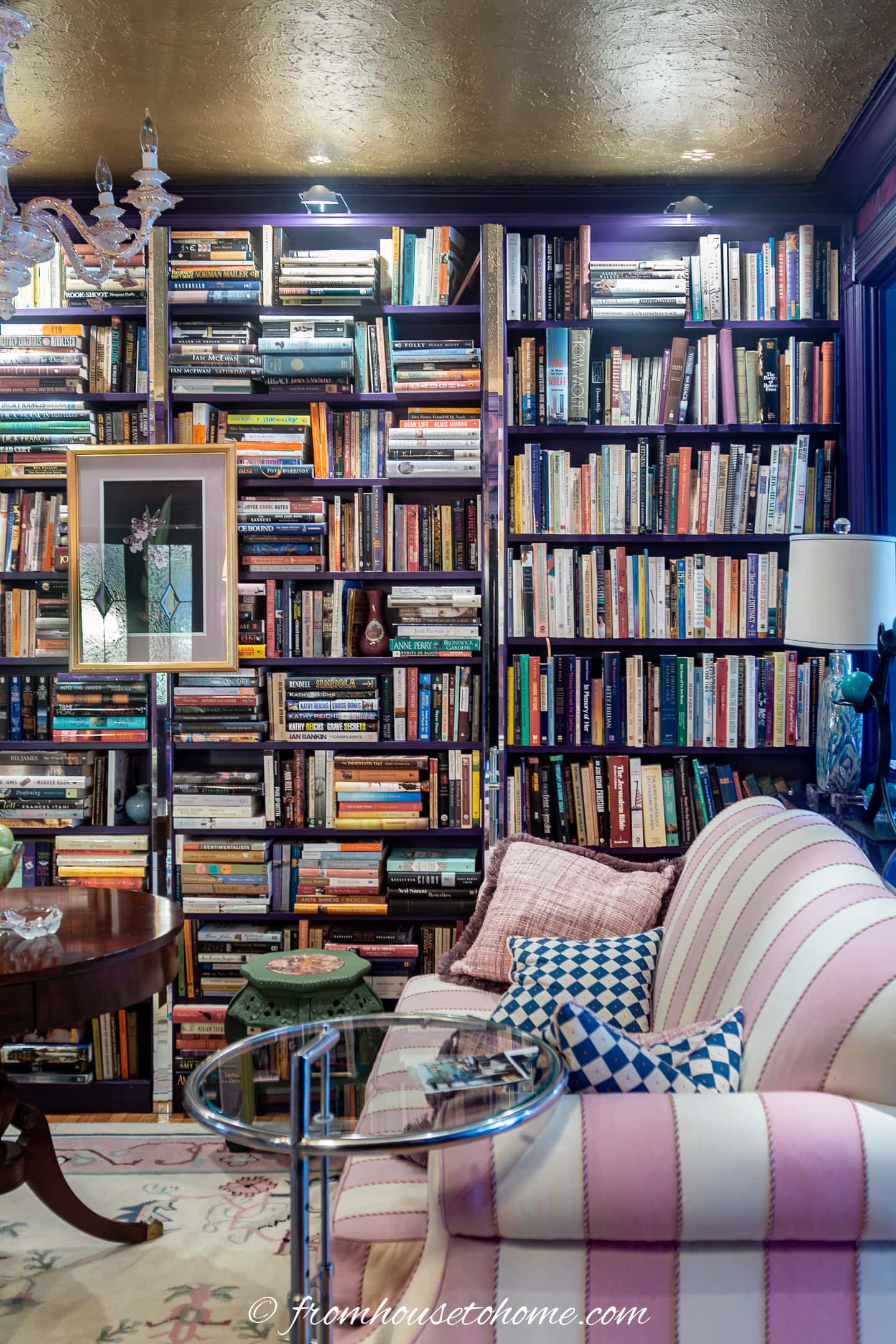
Accent lighting is used to draw attention to a specific feature in the room, such as artwork, built-in shelves, architectural details or plants.
These fixtures are designed to direct light toward one area rather than lighting the whole room.
But unlike task lighting, they don’t need to be very bright because they are used for background lighting.
Ambiance lighting
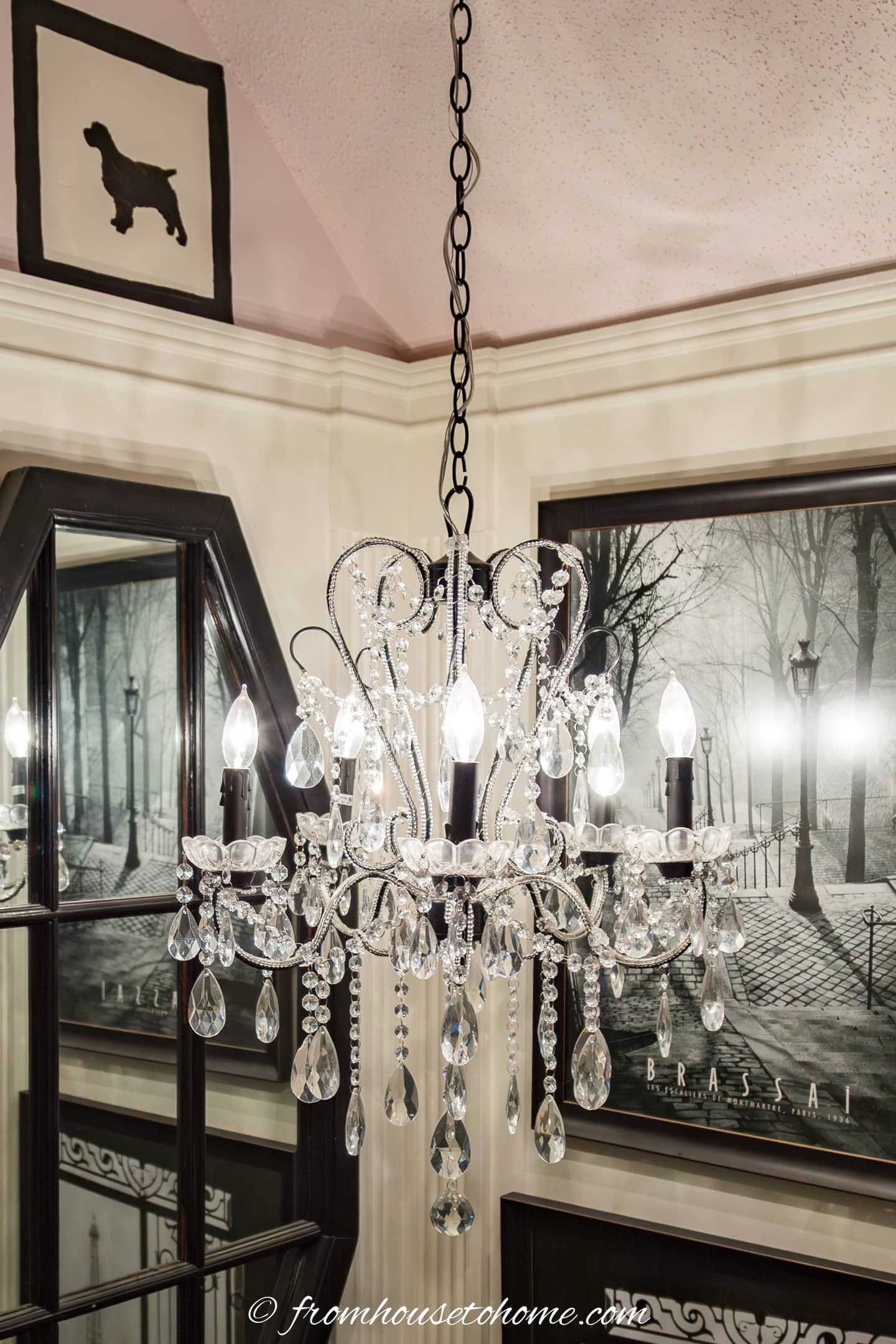
Some fixtures (such as dining room chandeliers) are often chosen more for the atmosphere they create than the amount of light they provide.
Chandeliers, sconces and decorative pendants can all help make a room feel warmer and more inviting.
Installing them on a dimmer switch makes it easy to adjust the brightness depending on the mood you want to create.
2 | What type of ceiling light fixture do you need?
Flush mount
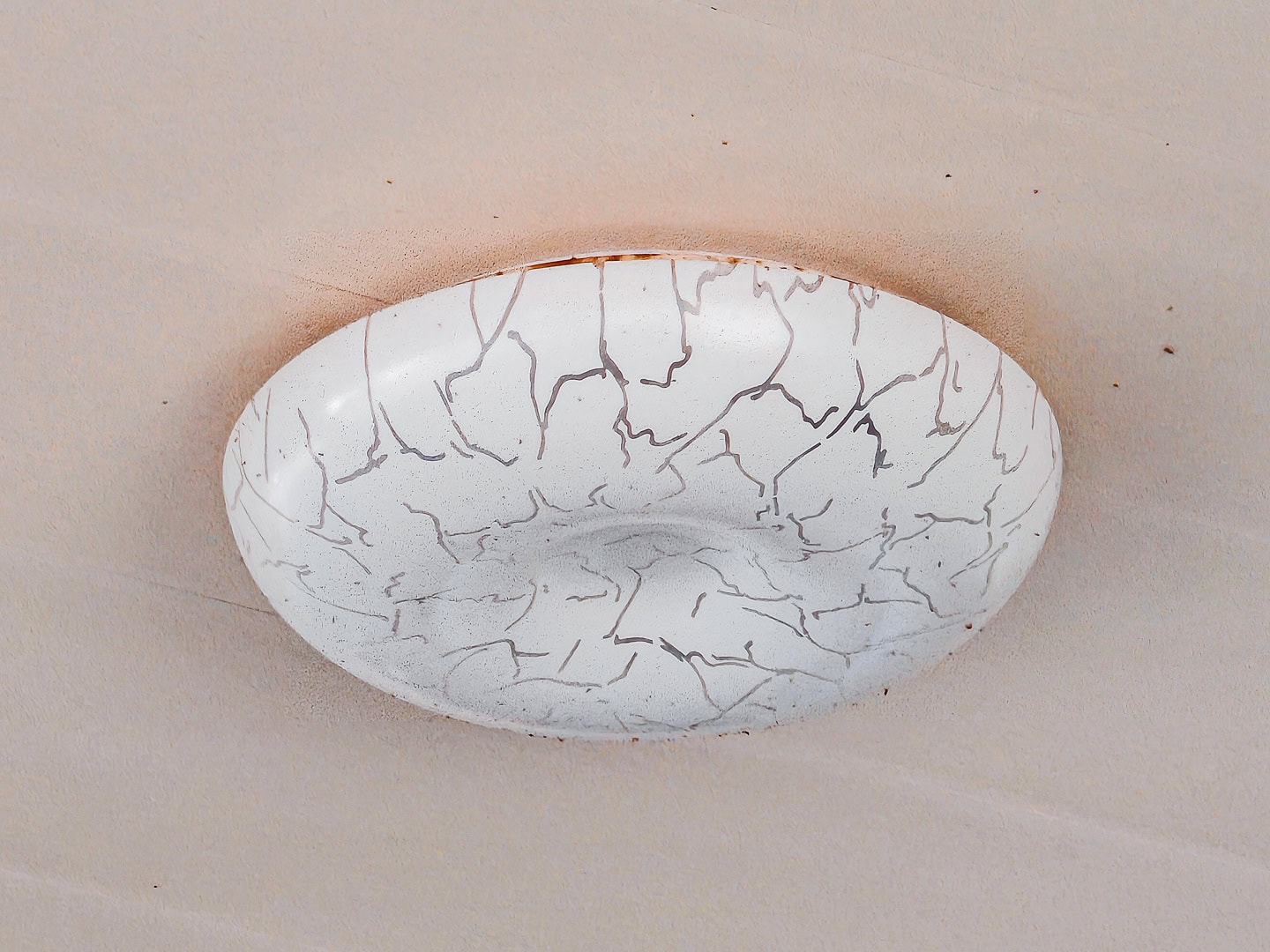
Flush mount lights are installed at the ceiling height and hang down only a few inches.
These are often used as general lighting in rooms with 8-foot or lower ceilings because they do not interfere with people trying to walk through the space.
They are also usually the least expensive type of light. Which is why builders love them!
Semi-flush mount
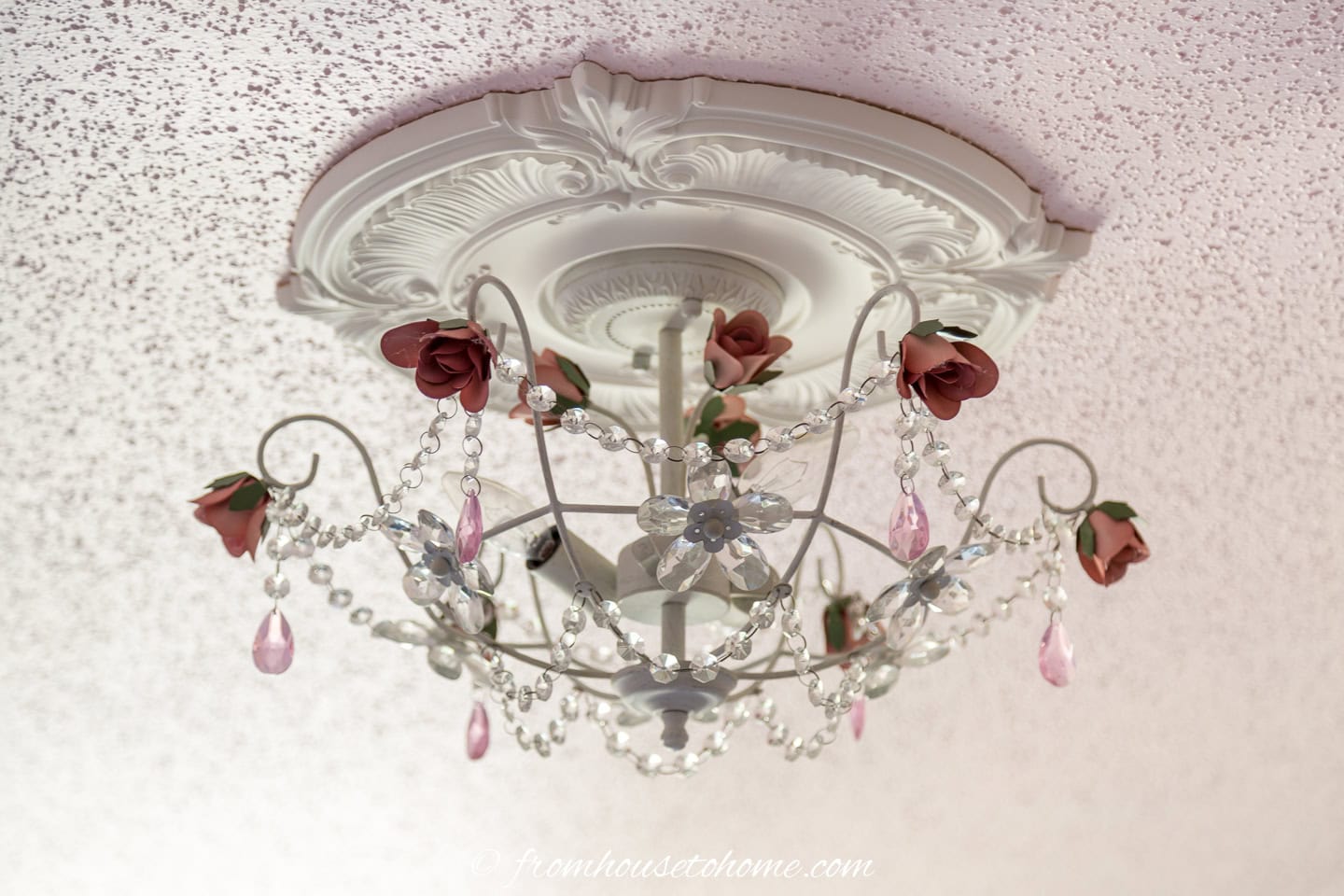
Semi-flush mount lights are basically the same as a flush mount, but the fixture hangs down further into the room.
So instead of being 3″ or 4″ in height, these may be 8″ or 10″ in height.
They add a little more drama and often in come in chandelier-like shapes without the chain.
Fans with lights are usually considered semi-flush mount lighting. But some have light fixtures that extend down quite far into the room. So make sure to double-check the measurements, especially if you have 8-foot ceilings.
Chandelier or pendant lighting
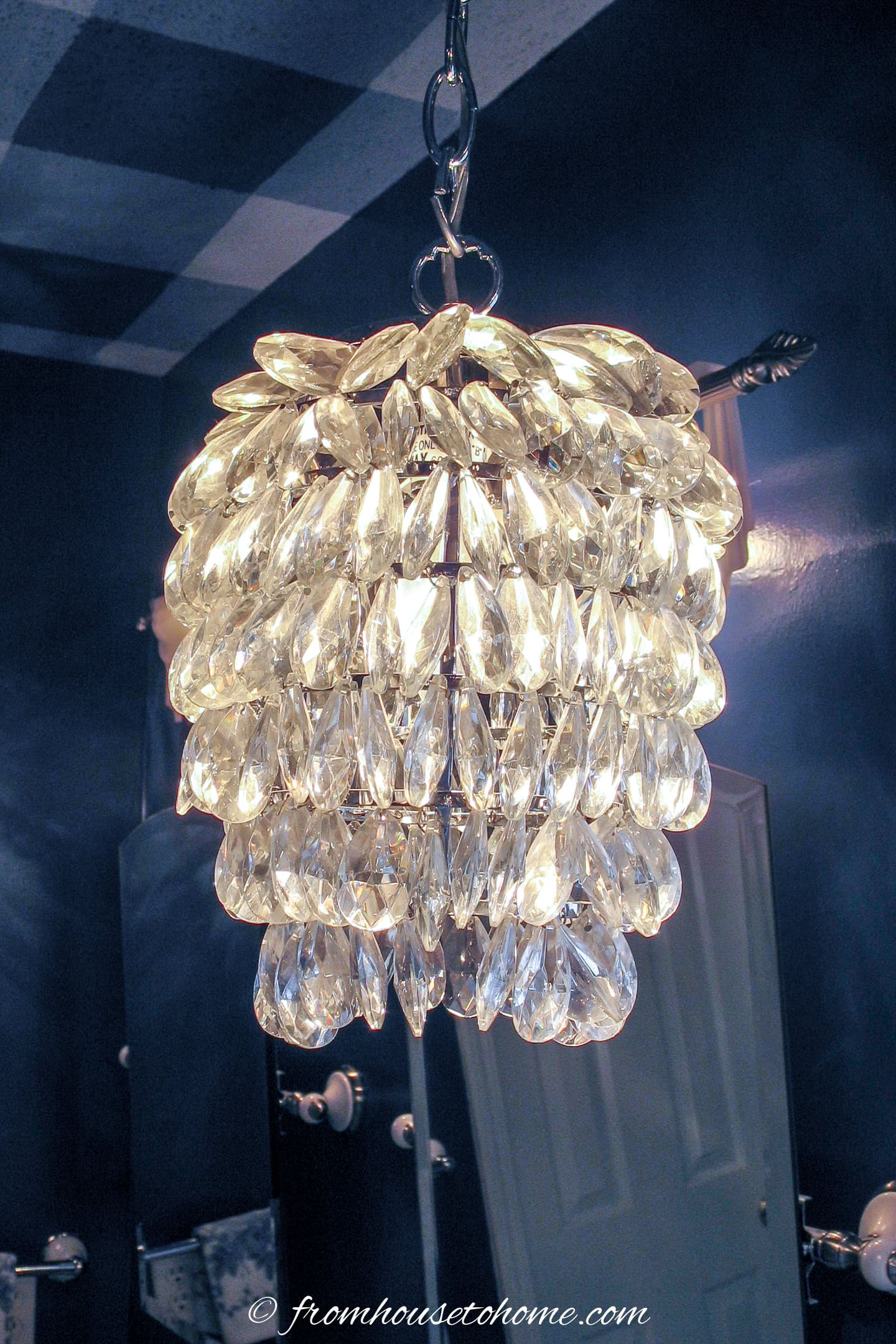
Chandelier and pendant lighting fixtures hang from a chain, rod or wires, and include the hanging length as well as the fixture height to determine how far into the room they extend.
They can be used for general lighting, task lighting or ambiance lighting depending on the type of fixture and placement.
Track lighting
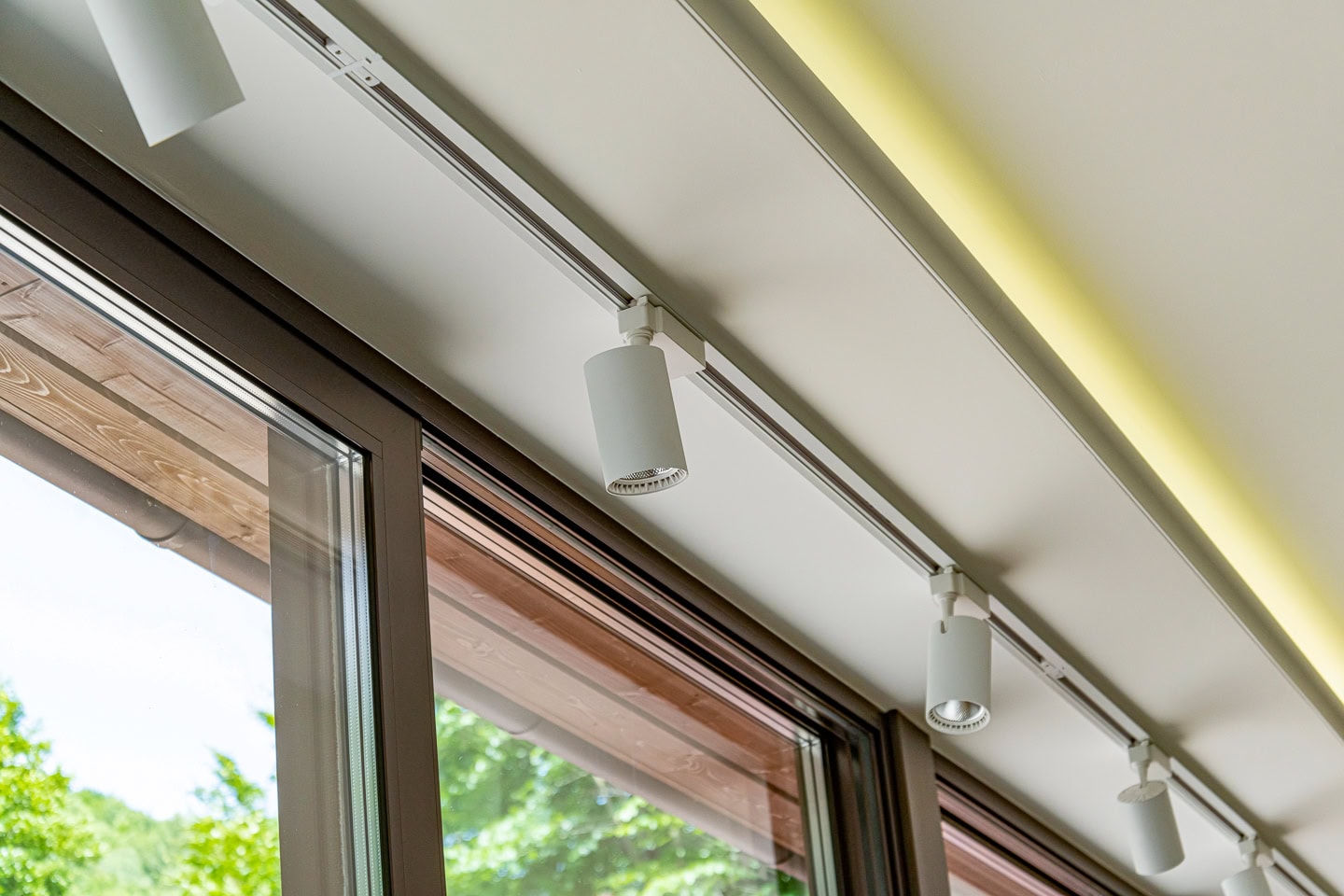
As the name implies, track lighting is installed on a track at ceiling height and the fixtures are hooked onto the track.
These fixtures can either be close-to-the ceiling or pendants depending on where you have installed the track.
They are often used for accent lighting or task lighting since the light can be located anywhere along the track.
Recessed lighting
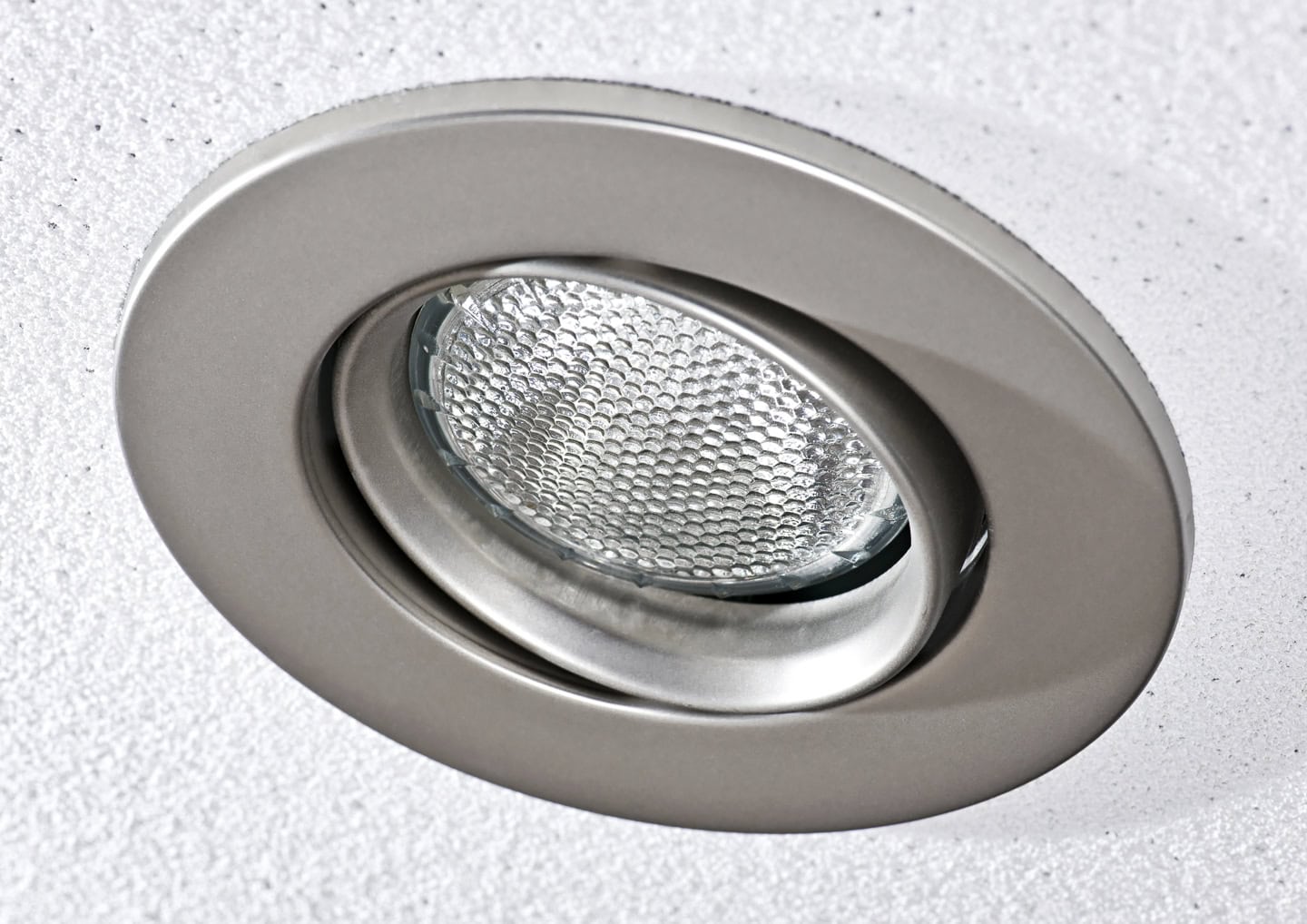
Recessed lighting is installed into the ceiling and does not hang down into the room at all.
These require holes to be cut into the ceiling drywall if you don’t have recessed lights already installed.
They can be used as task lighting or general room lighting depending on where they are located and how many there are.
3 | Are there any ceiling or placement constraints?
Step 3 is to identify any constraints dictated by your room and ceiling.
Ceiling height
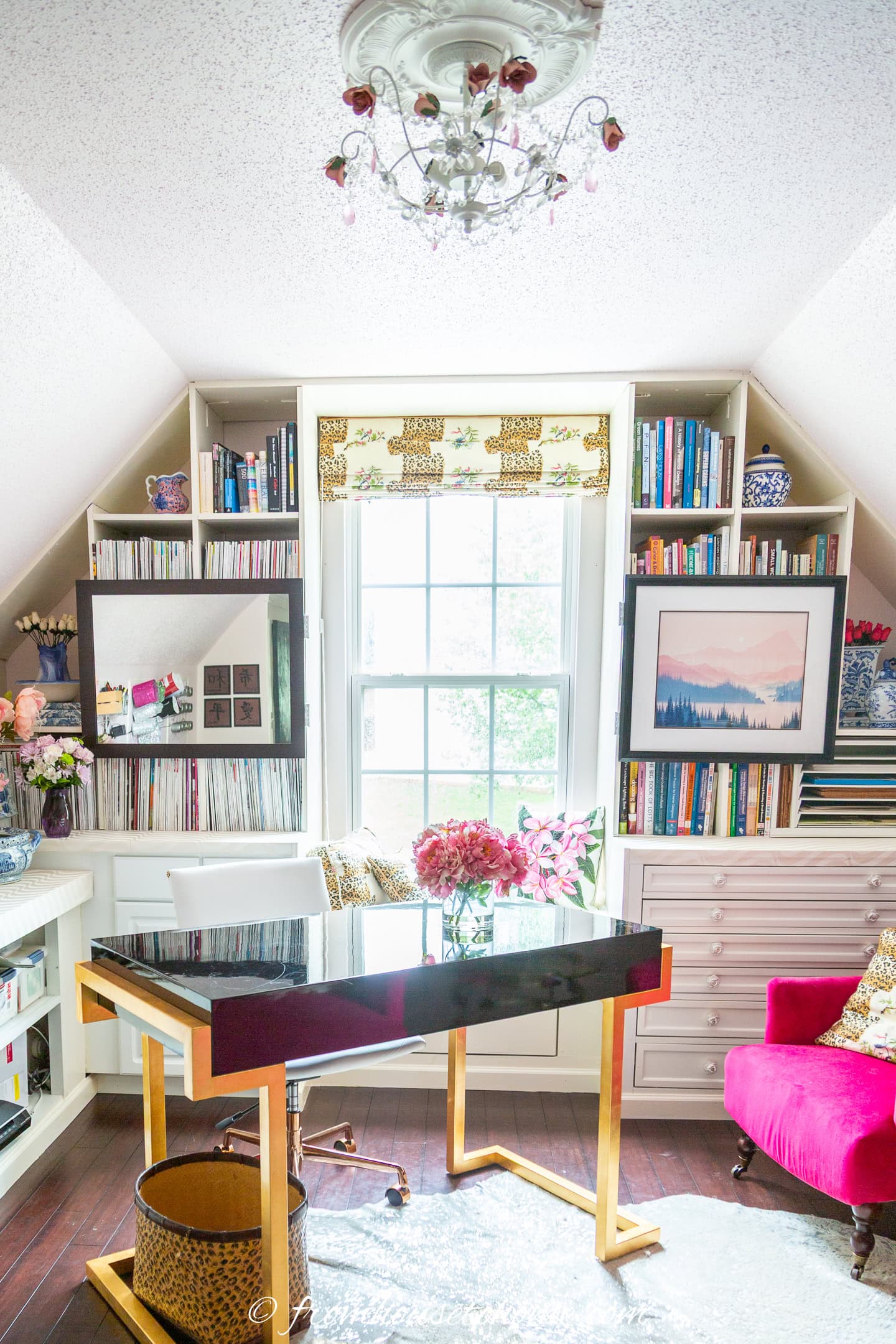
A light in the middle of a room with 8 foot ceilings will likely need to be a flush mount, semi-flush mount or recessed so that people can walk underneath it without worrying about hitting their heads.
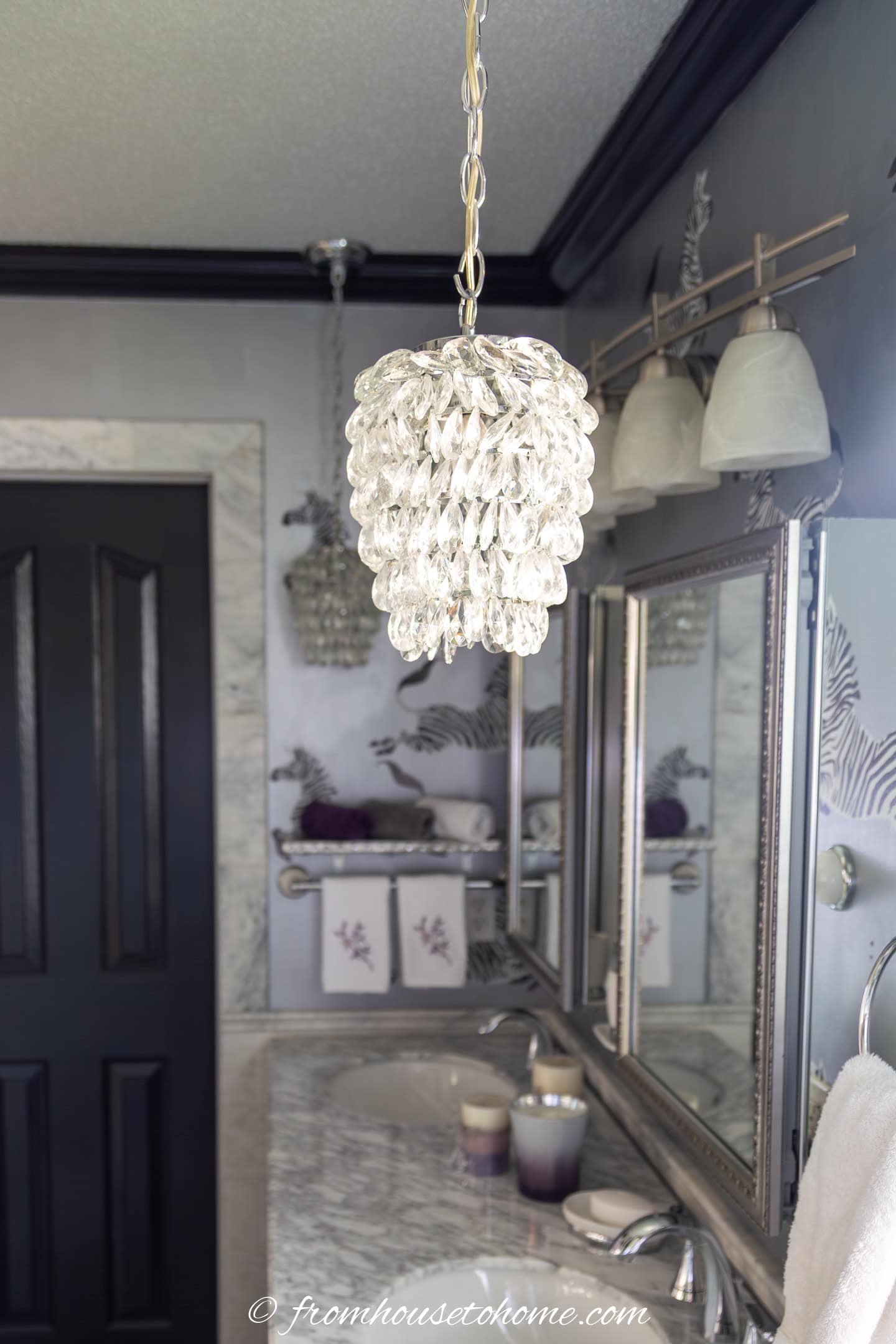
But in a room with the same ceiling height, a chandelier or pendant would work just fine installed over a large table, countertop or island (where people cannot walk).
The rule of thumb is that the bottom of a pendant installed over a table or island should be 30″ to 36″ above the surface to provide adequate light and not block the view across the room.
Ceiling slope
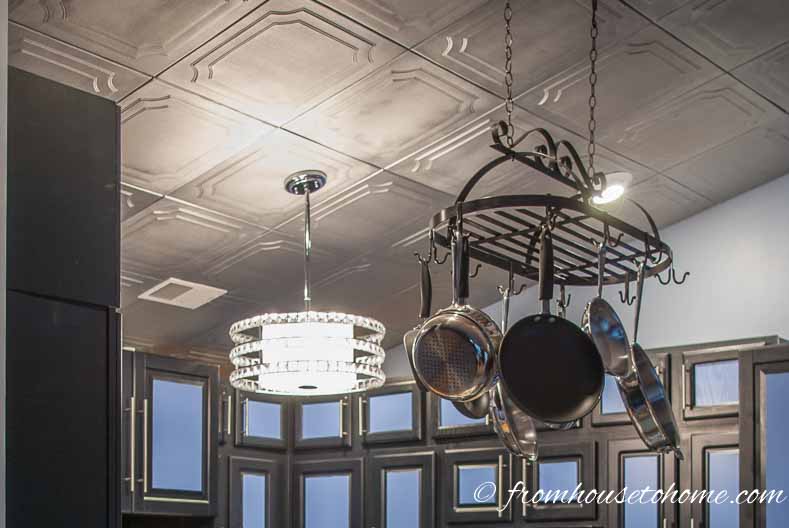
Another potential deciding factor is the slope of the ceiling.
If your ceiling is flat, you don’t have to worry about this section.
However if you have a sloped ceiling (like in my kitchen), you must find a fixture that will work with it.
This pretty much eliminates flush mount and most semi-flush mount fixtures.
Some pendants that have wires instead of chains will also be off the list since the wires will not hang properly if the ceiling is on an angle.
If you buy a pendant light with a rod (rather than a chain), check that it can be installed on a sloped ceiling. It will usually say that in the description.
And if you’re looking at recessed lighting, make sure to get the kind that rotates so that you can point the light in the right direction.
If a ceiling fan is on your wish list, make sure the down-rod is long enough so that the blades won’t hit the slope of the ceiling.
Tray ceilings
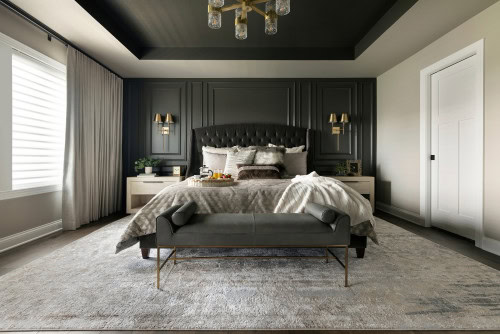
Tray ceilings can also affect your lighting choices.
Since the center section of the ceiling is higher than the rest of the room, they allow you to use taller chandeliers or longer pendant fixtures than you could with a standard flat ceiling.
However, you need to pay attention to the width of the tray ceiling itself. It creates a frame that the light fixture should fit comfortably inside.
A fixture that is too wide for the recessed portion of the ceiling can end up looking cramped or crowded, even if it technically fits in the room. As a general rule, I like to have at least 24″ of space around all sides of the fixture.
You may also need a longer chain or down-rod to make sure the fixture hangs at the right height within the tray ceiling.
4 | How big should the light fixture be?
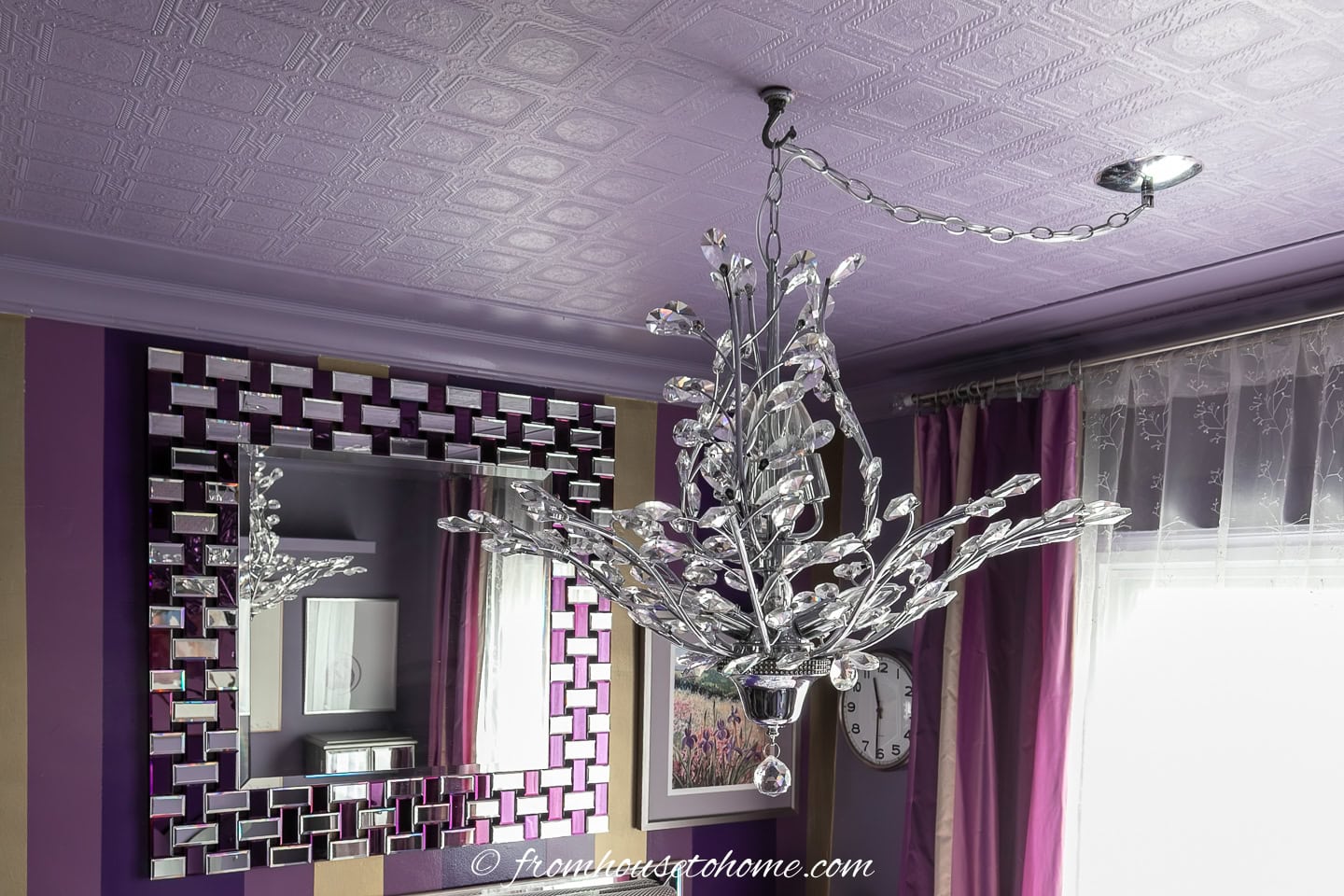
Next you need to decide how wide and tall the light fixture should be.
The right size chandelier should feel in proportion with both the room and the furniture underneath it.
A fixture that is too small can look insignificant in the space, while one that is too large can overwhelm the room.
In general, larger rooms require larger fixtures (or multiple smaller ones) to balance the scale of the space.
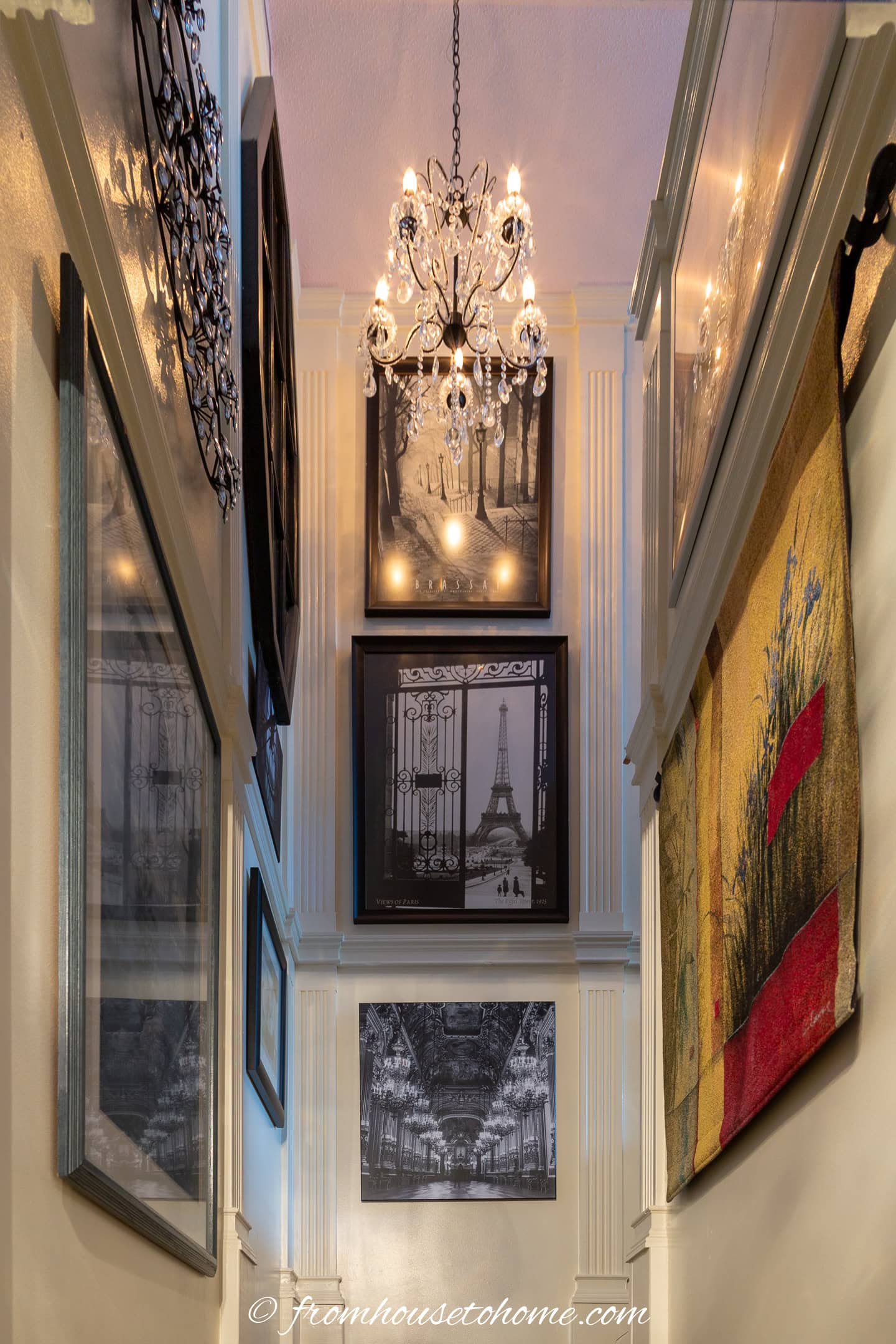
Ceiling height also plays a role. Rooms with taller ceilings can handle fixtures that are both wider and taller.
You should also pay attention to the visual weight of the fixture, not just the measurements.
An open metal chandelier with slender arms looks lighter in a room than a large drum chandelier or a fixture with heavy shades, even if they are technically the same size.
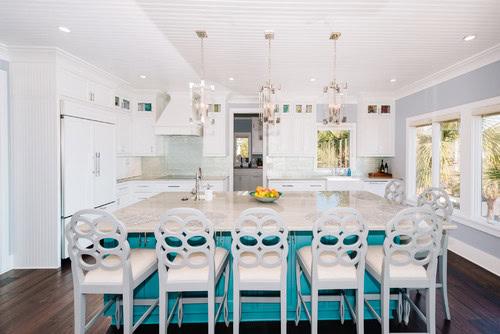
In some rooms, using multiple smaller fixtures may work better than one large chandelier.
Kitchen islands are a good example. Two or three pendants are often more balanced and provide better lighting coverage than a single fixture in the middle.
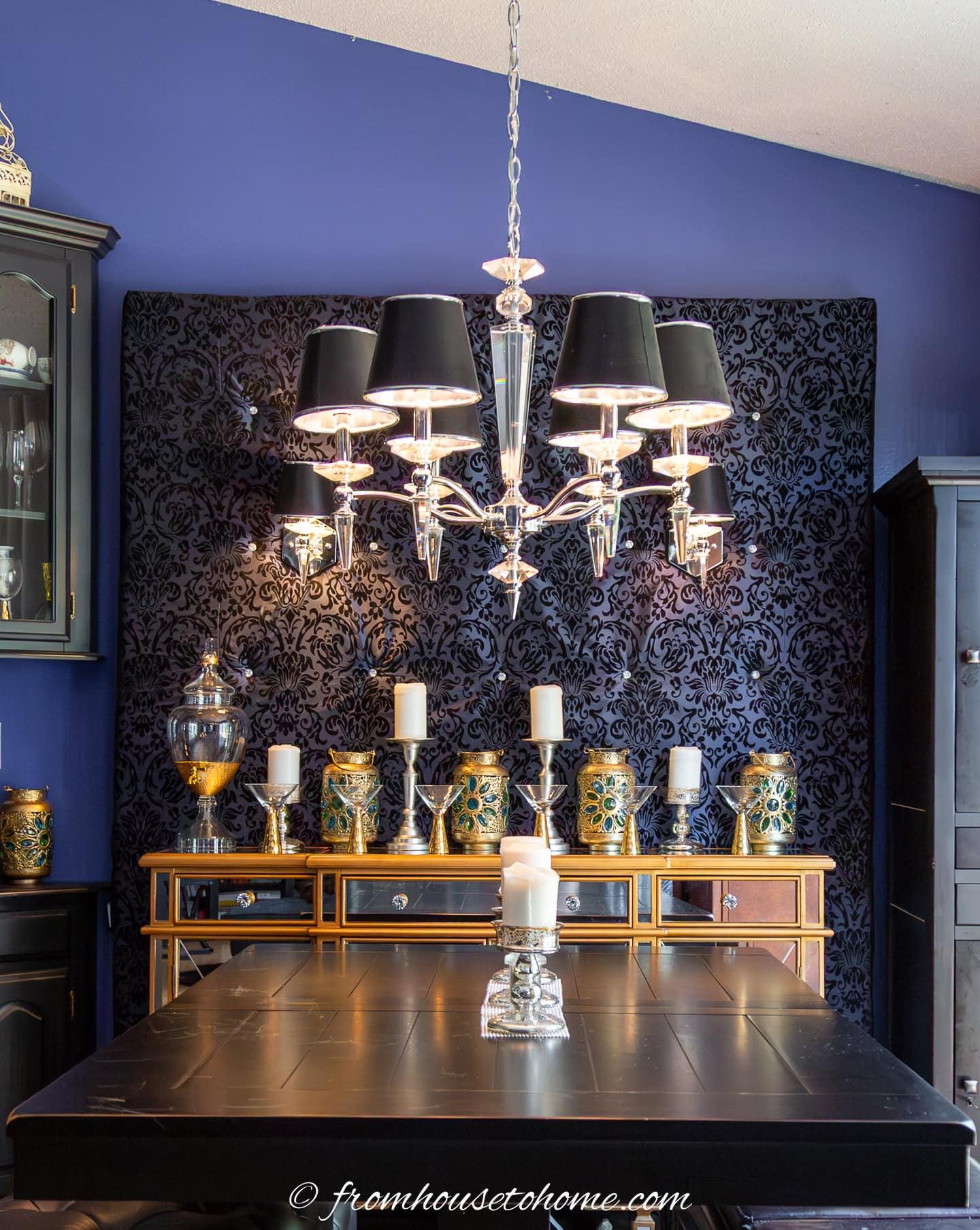
If you are installing a chandelier over a table, the width of the chandelier should be at least 12″ smaller than the width of the table to prevent people from hitting it when they stand up.
Before buying a fixture, I always like to hold up a piece of cardboard cut to the same dimensions. This makes it much easier to judge whether the scale feels right before the light fixture is installed.
5 | Are there any practical considerations?
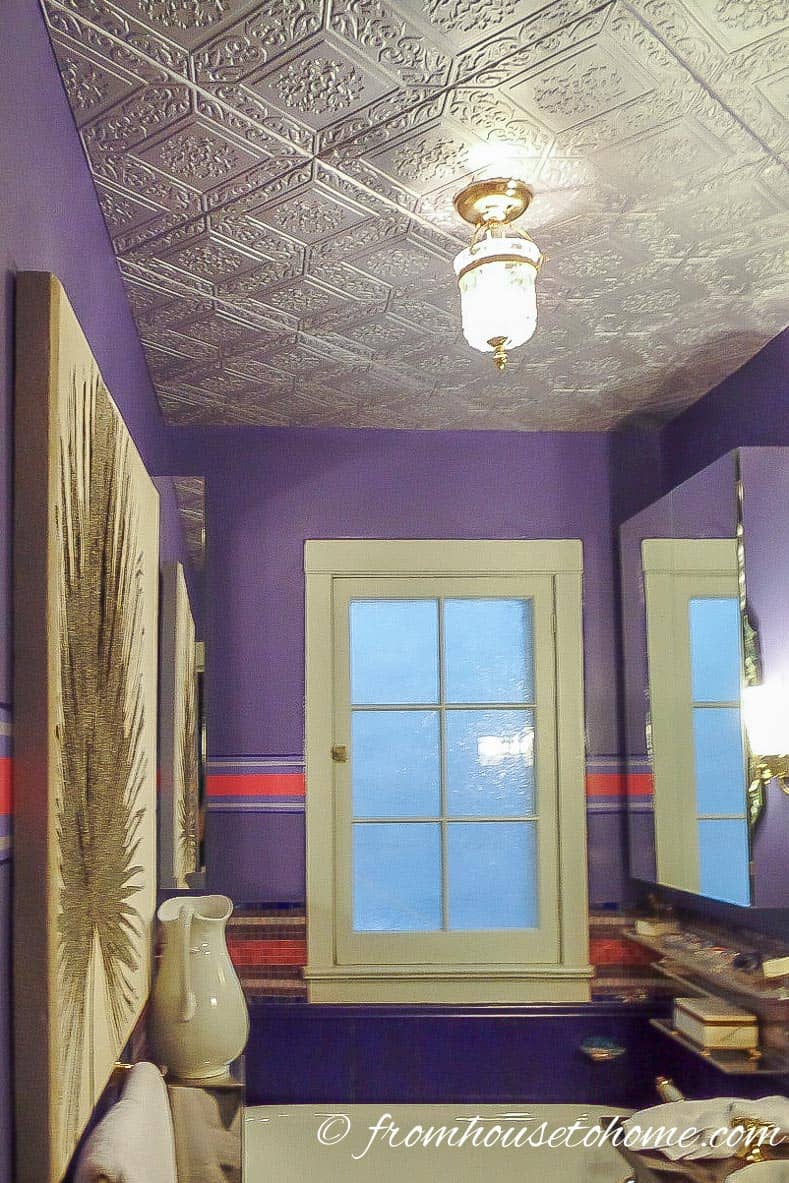
Next, you will need to think about the location where your light fixture is going to make sure you have considered the requirements for the space.
Bathroom lighting (especially over tubs and showers) requires water-resistant fixtures that meet building code standards.
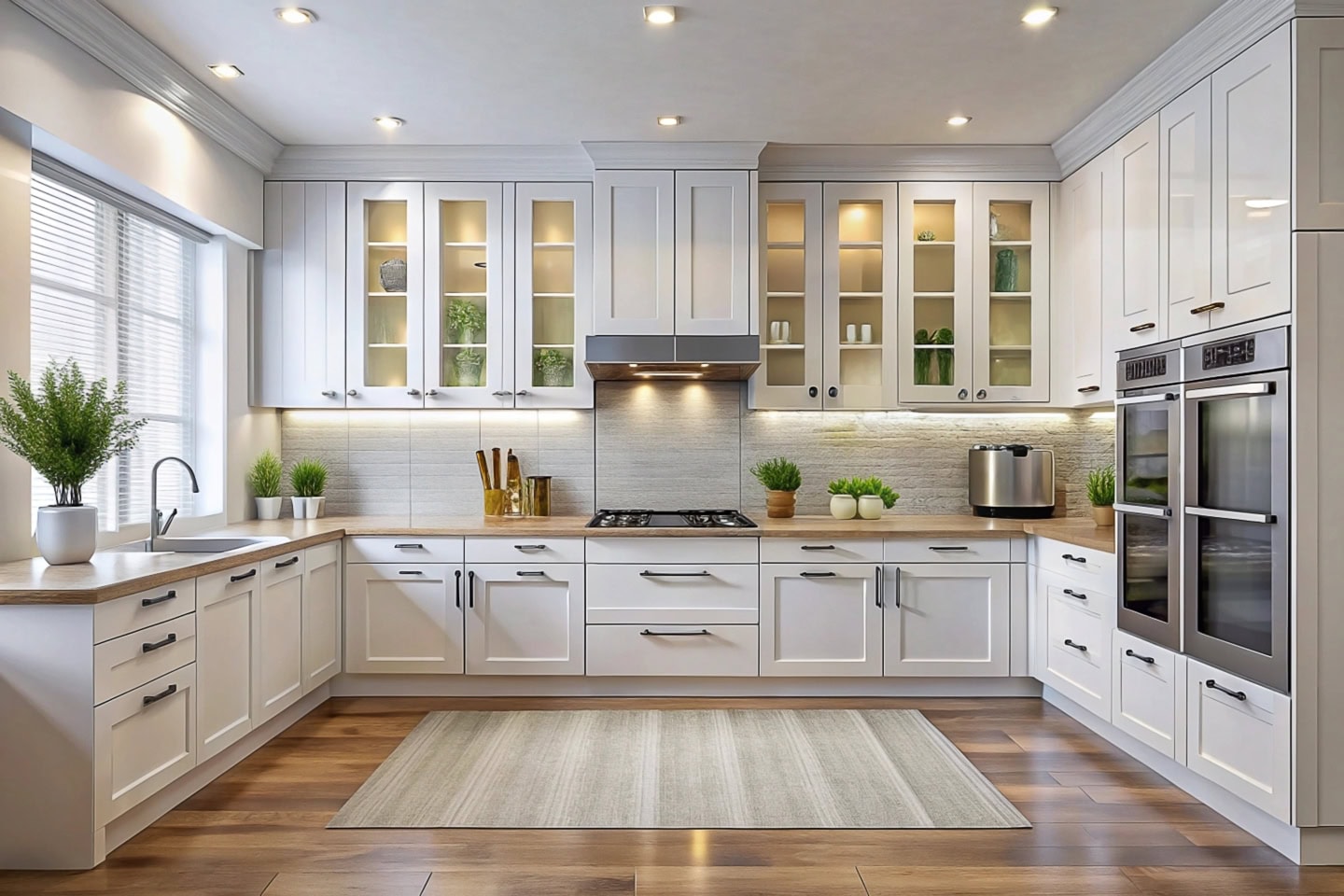
Kitchen fixtures are exposed to grease, so you probably want something that is easy to clean.
Which is why recessed lighting often works well.
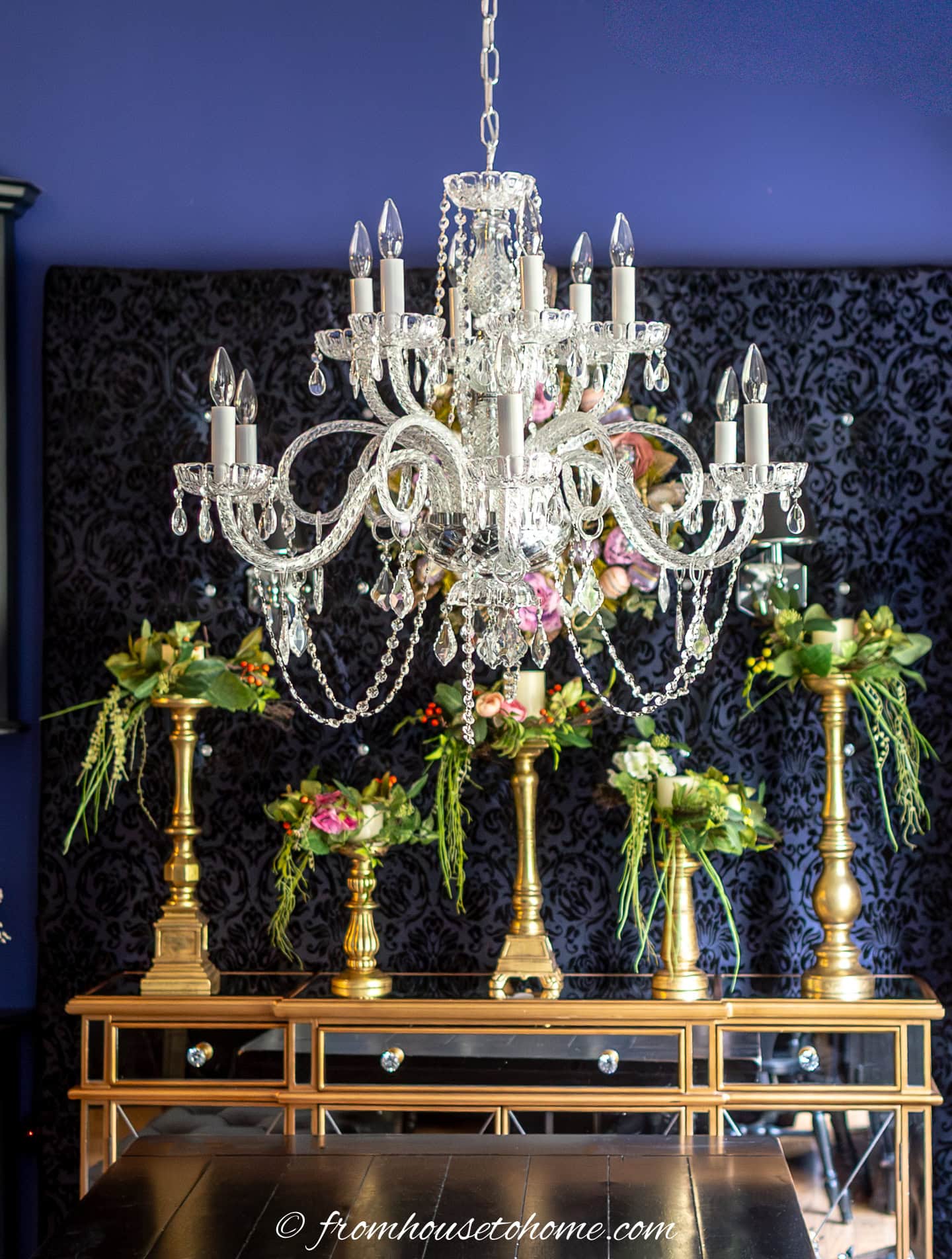
And dining room fixtures are often used to add ambiance to the room so you might want something with crystals that will help diffuse the light.
You should also think about the type of light bulbs the fixture uses.
Many newer fixtures come with integrated LED lighting, which is energy efficient and long lasting, but the bulbs can’t be replaced.
Other fixtures use standard replaceable bulbs, which makes it easier to change the brightness later if your preferences change.
6 | What color or finish should the light fixture be?
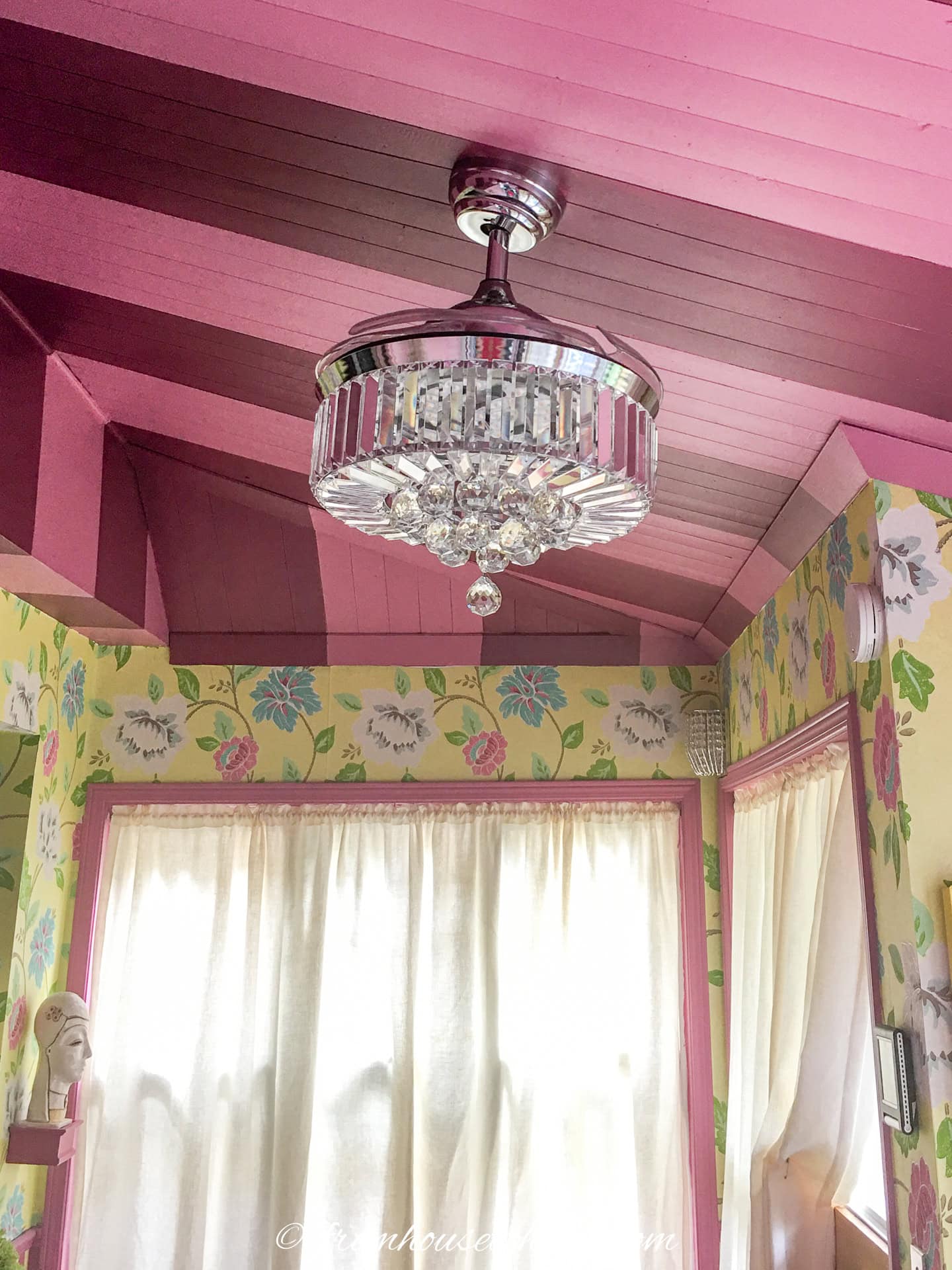
Step 6 is to decide on the base finish or color for your fixture.
This is one of the easiest ways to narrow down the options since lighting is available in so many different materials and finishes now.
Even choosing one or two finishes to focus on, like black, chrome, brass or crystal, can eliminate a huge number of fixtures right away and make the shopping process feel much less overwhelming.
When choosing a finish, I usually look at the other metal finishes already in the room. Cabinet hardware, faucets, door handles and furniture accents can all help guide the decision.
The finishes don’t necessarily have to match exactly, but they should look like they belong together.
You should also think about the overall style and mood you want for the room.
Polished chrome and glass tend to feel more modern and reflective. While brass and gold finishes usually create a warmer and more traditional look.
Black fixtures often work well when you want the lighting to make more of a statement.
Removable elements such as shades and crystals are usually less important since they can often be replaced later. However, if you are planning to swap them out, it’s a good idea to make sure replacement options are available before buying the fixture.
7 | What style of fixture do you want?
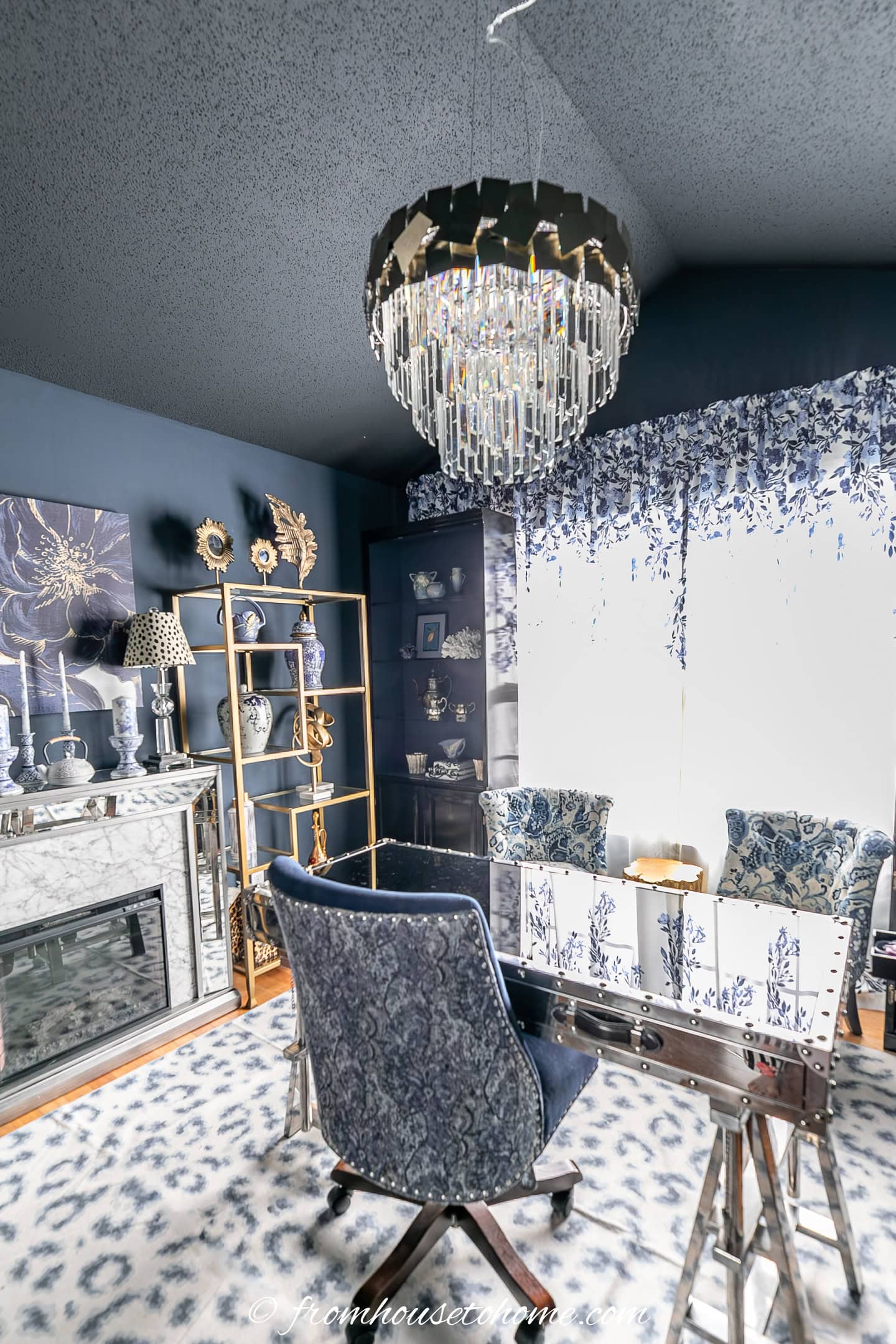
To help the light fixture feel like it belongs in the room, you’ll want to choose a style that works with the rest of the decor. The shape, materials and details of the fixture can all change the overall look of the space.
For example, a modern chrome fixture with straight clean lines will usually look out of place in a French Country kitchen filled with warmer finishes and more traditional details.
In the same way, an ornate crystal chandelier may not feel right in a very minimalist or industrial-style room.
That doesn’t mean everything has to match perfectly.
In fact, mixing styles often makes a room feel more interesting and collected.
But the fixture should still feel like it relates to the rest of the space in some way, whether that’s through the finish, shape, materials or overall style.
If you aren’t sure what style your room is, try collecting pictures of rooms you like and look for patterns in the lighting choices. You’ll usually start to notice similarities in the fixture shapes, finishes and overall feel of the room pretty quickly.
You can also use our interior decorating styles matrix to narrow down the list.
Make the ceiling light decision
Once you have figured out the answers to all of these questions, you can use your decisions to help you choose the right overhead light fixture for your room.
A lot of lighting web sites will have the fixtures categorized by style, color/finish, type and size, so you can easily filter the list.
Then look for ones that you love and (of course) fit your budget. You should be able to narrow the choices down to a manageable list and pick one that you will make you happy every time you walk in the room!
Have comments or questions about how to choose a ceiling light? Tell us in the section below.
This post was originally published on March 24, 2015 but was updated with new content on May 14, 2026.
Thanks so much! My eye sensed that but it is helpful to have your confirmation. Here is a second question: we have recently purchased an ebony Baby Grand piano. It is gorgeous. I am devoting an entire room to it. I love Wedgewood or Dutch blue~ and have a collection of English blue and white dishes inherited from my Great Aunt I will display. There is one large window framed by Plantation shutters. What do you think of this color for drama and beauty? Thanks for your help!
Hi Jan…That sounds stunning! I think the blue will make the piano stand out, and (in my opinion) it’s hard to go wrong with a blue, white and black color combination 🙂
Is there a rule of thumb with shape? Does a round light hang over a round table; a rectangular over a rectangle? An oval over an oval table?
Hi Jan…Round light fixtures can be used pretty much anywhere…since they’re the most common shape, they are available in pretty much all styles and sizes. If you have a really long rectangular or oval table, you might want to hang 2 round light fixtures, one towards each end of the table. I probably wouldn’t put a rectangular or oval light fixture over a round table (the proportions wouldn’t look right in most cases). However, you could put a rectangular or oval light fixture over either a rectangular or oval table. As long as the fixture is the right size (about 6 to 12 inches smaller than the width of the table) and style for the room, either would work. Hope this helps!