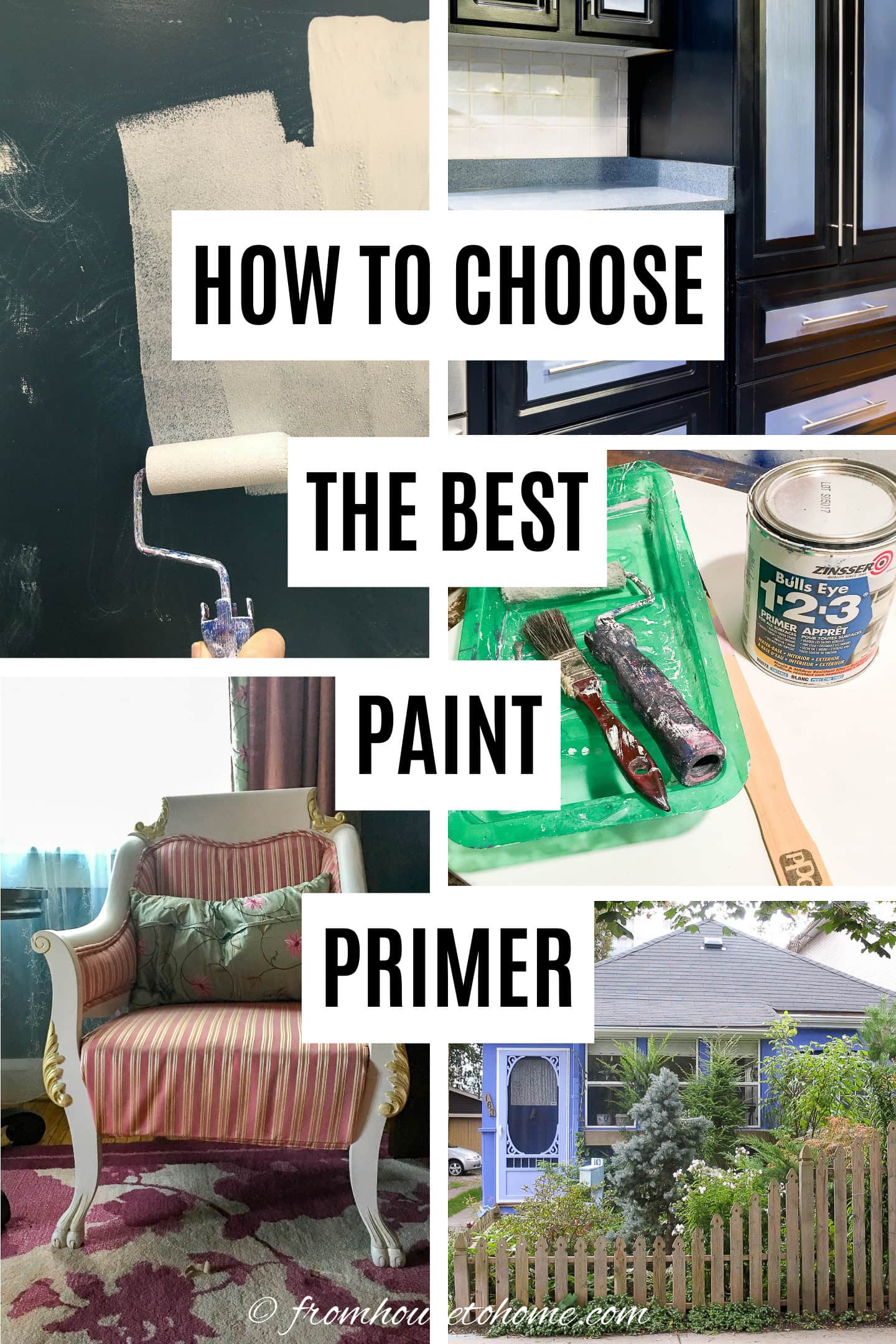
How To Choose The Best Paint Primer
Selecting the best paint primer involves understanding the surface you’re working with, the type of paint you’ll be using, and the specific needs of your project. This guide provides essential tips to help you make an informed choice for a flawless finish.

I have done a lot of painting in my lifetime of all different kinds of surfaces.
From furniture to walls to trim and cabinets, paint is a great way to transform pretty much anything.
So I have learned from experience that the secret to getting a great finish is the primer.
The right primer is often the difference between a professional looking paint job and and an amateur one.
It will make the top coat go on smoother and easier, will cause the paint to adhere well (both initially and in the future), and often reduces the number of coats of regular paint you need.
Paint is designed to stick. But trust me when I say, it sticks better if you apply a primer first.
To make coverage easier, have the primer tinted the same color as your top-coat. Even though it will always be tinted lighter than the finish color, it usually means your paint will cover in two coats.
However, there are so many different types of primer, it’s hard to know which one to use when. So I’m going to share the best paint primer for different paint projects.
Get a FREE Room Makeover Workbook by signing up for our newsletter
You’ll also get access to our members-only resource library with all of our other printables.
We won’t send you spam. Unsubscribe at any time.
Preparation before priming
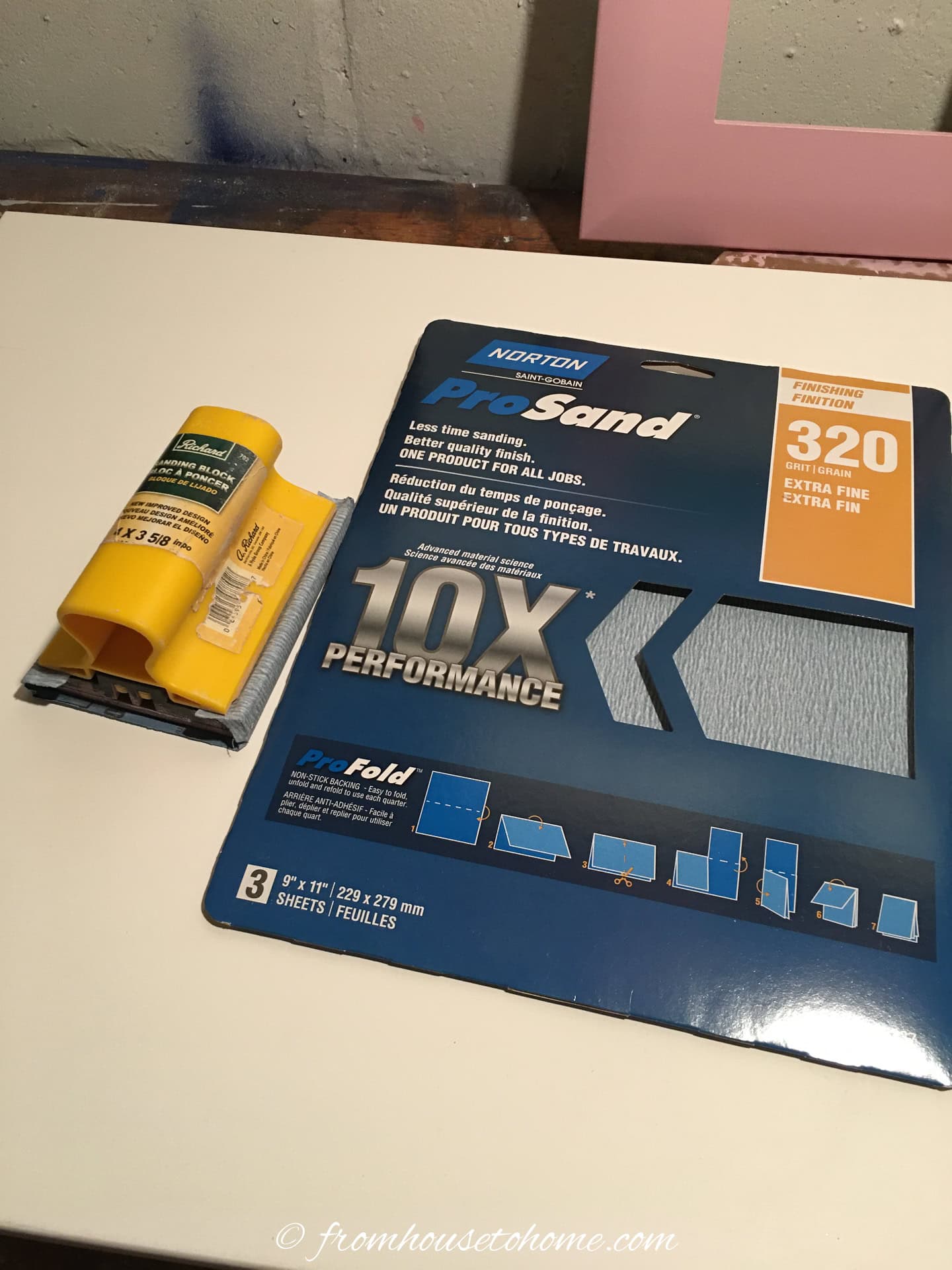
But before you start priming any surface, it needs to be prepared properly to get the best finish.
Generally, people skip this step. But one paint manufacturer told me that it is the most important, so I always do it.
For surfaces that are chipped or cracked, you’ll need to scrape off the loose bits and fill any holes with wood filler or dry wall spackling.
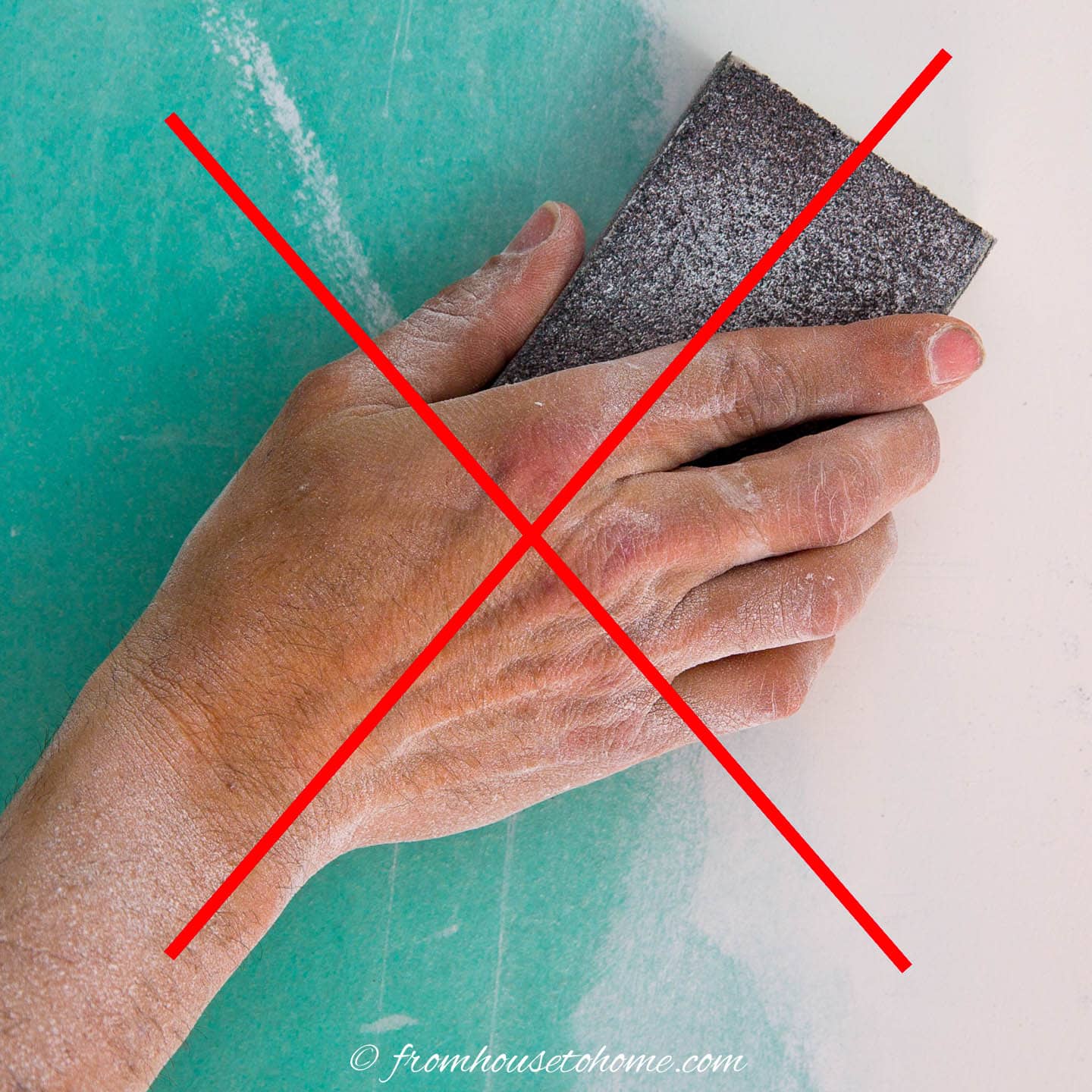
Then lightly sand the surface to smooth out any bumps and ensure it has a little roughness to it so the primer will adhere better.
If it is a high gloss enamel or melamine surface, use 180 or 220 grit sandpaper, otherwise 120 grit will do.
Remove the dust with a tack-rag, or damp cloth.
Then, if the surface was previously painted, wash it with a solution of TSP and warm water. This removes any grime or grease. Rinse off the residue with clear warm water. Let dry thoroughly before you start priming.
Do not wash new wood, raw MDF or new drywall as they will soak in the moisture which can wreck the surface. The sanding and dusting steps are all they require.
Primer paint for walls
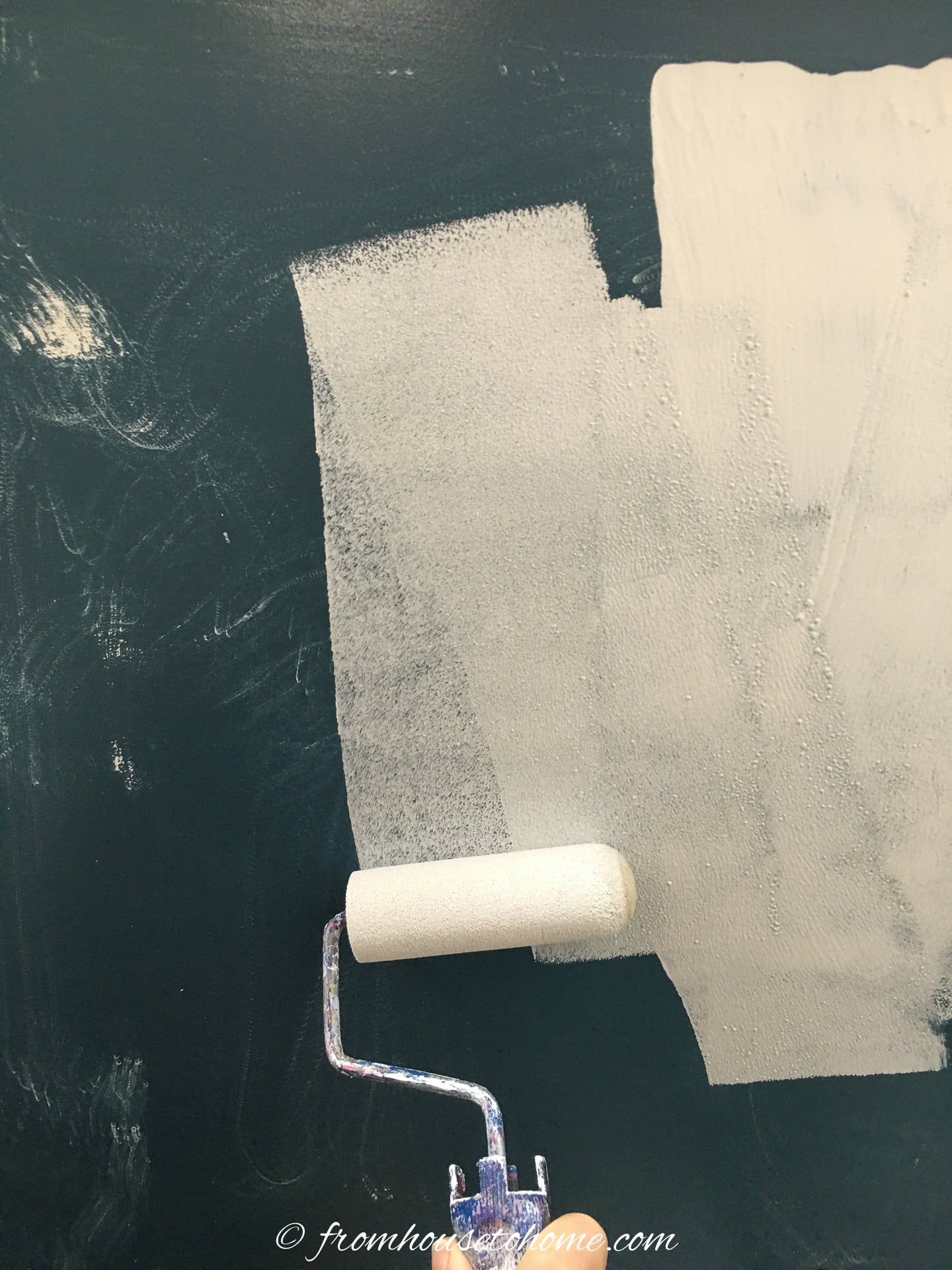
Use any good quality water-based primer to base coat surfaces that are painted with matte, satin, or semi-gloss paint.
Previously-painted walls, ceilings, and wood-work fall into this category.
I usually get the primer that goes with the paint brand I’m using.
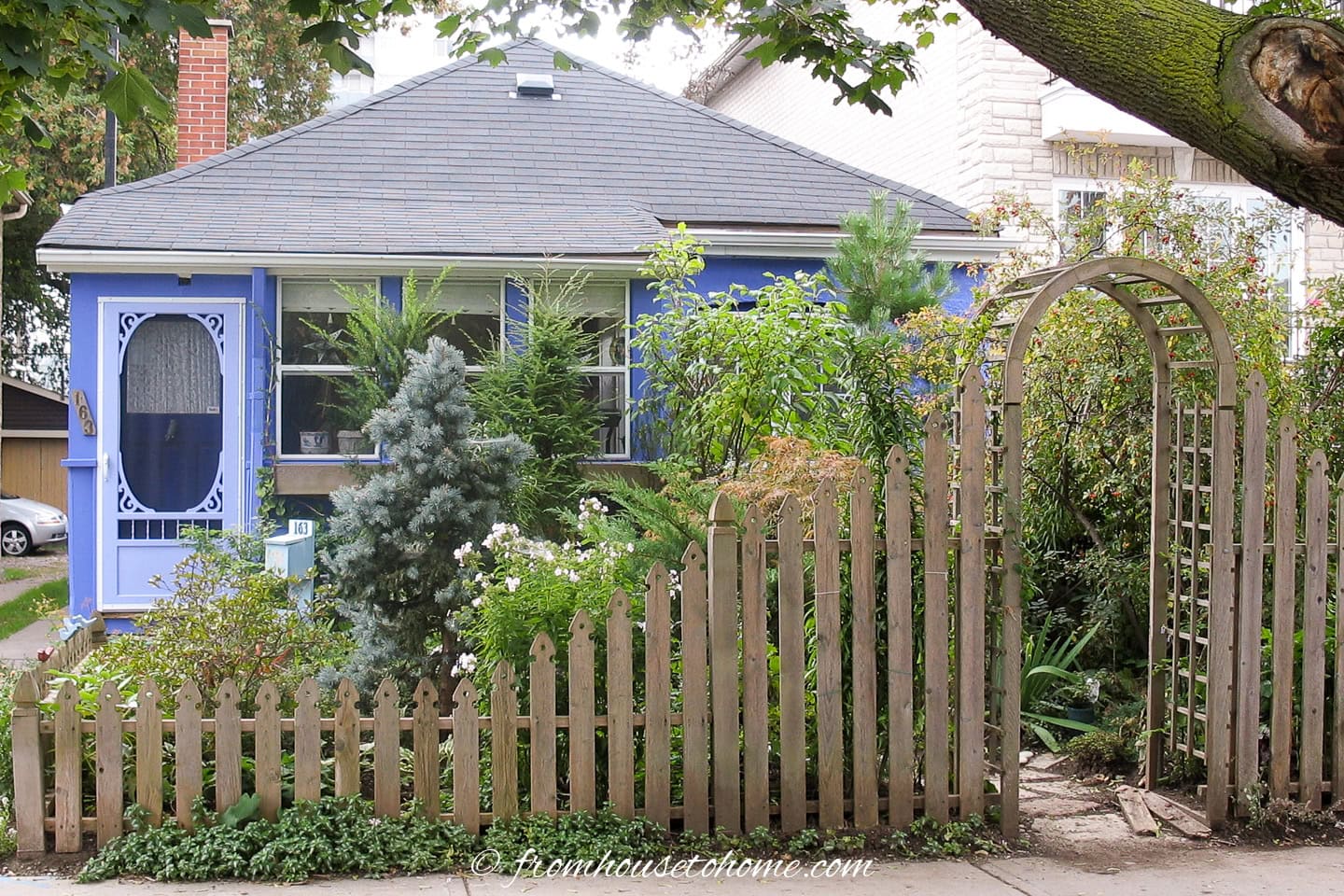
For example, 15+ years ago, I prepped and primed my stucco and vinyl clad house’s exterior, prior to painting it purple. It is still in pristine condition after all this time.
I have used a regular interior primer for the baseboards inside my house because I routinely paint them in a semi-gloss finish. Sherwin Williams multi-purpose low-VOC latex primer works well.
Priming gloss enamel and melamine
Gloss enamel and melamine surfaces are some of the toughest to paint.
So they require a tried and true adhering primer (after preparing the surface as I mentioned above).
My ‘go to’ primer for these surfaces is Zinsser B.I.N.* (a primer that has been available for eons).
It is a shellac-based product that requires clean-up with denatured alcohol. This is messy. Which is why I recommend using an inexpensive brush or roller and discarding it after the job is finished, rather than trying to clean it.
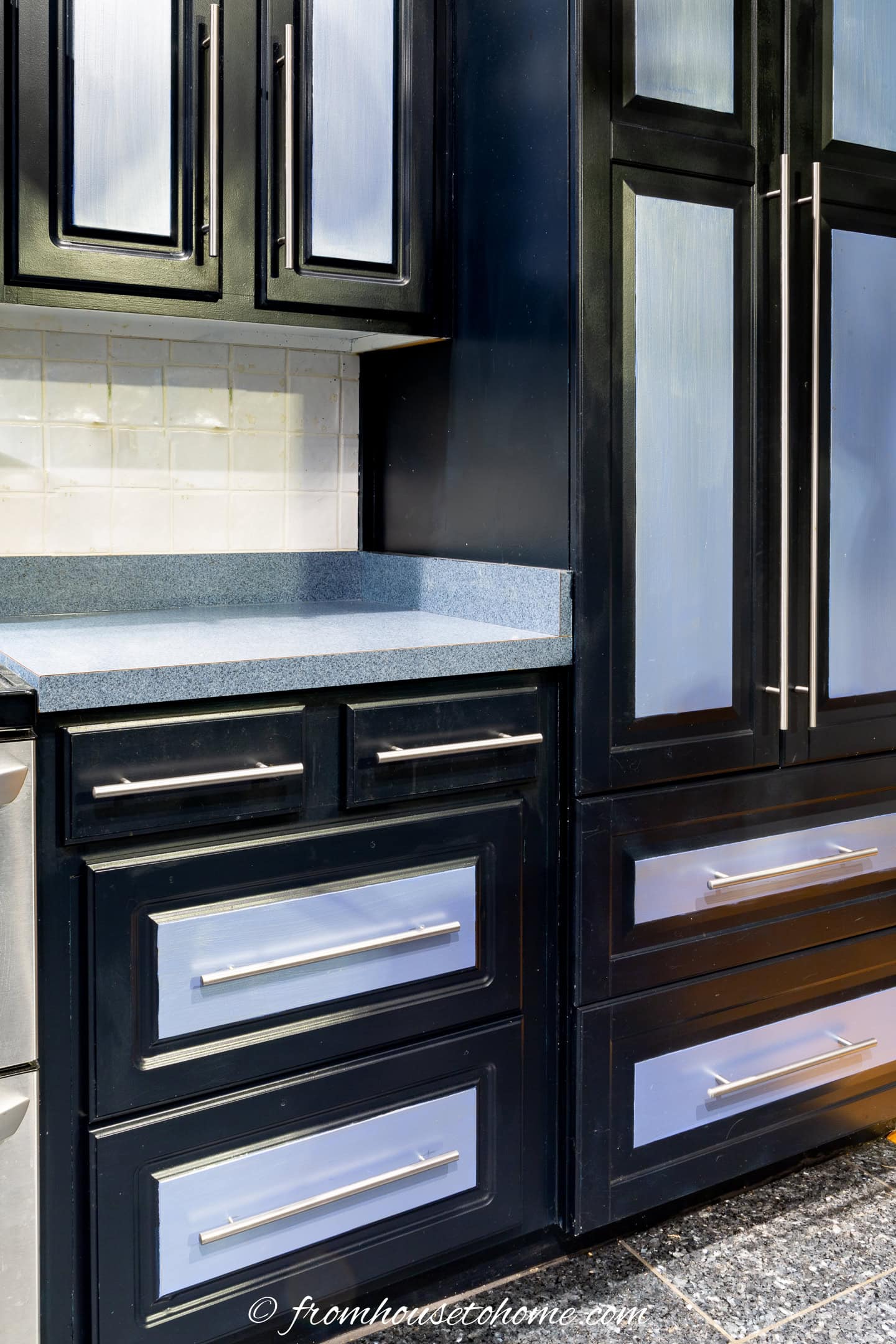
Both Wanda and I used it on our kitchen cabinet melamine covered doors before we painted them.
The paint job has held up well over many years.
Related: How to paint melamine kitchen cabinets
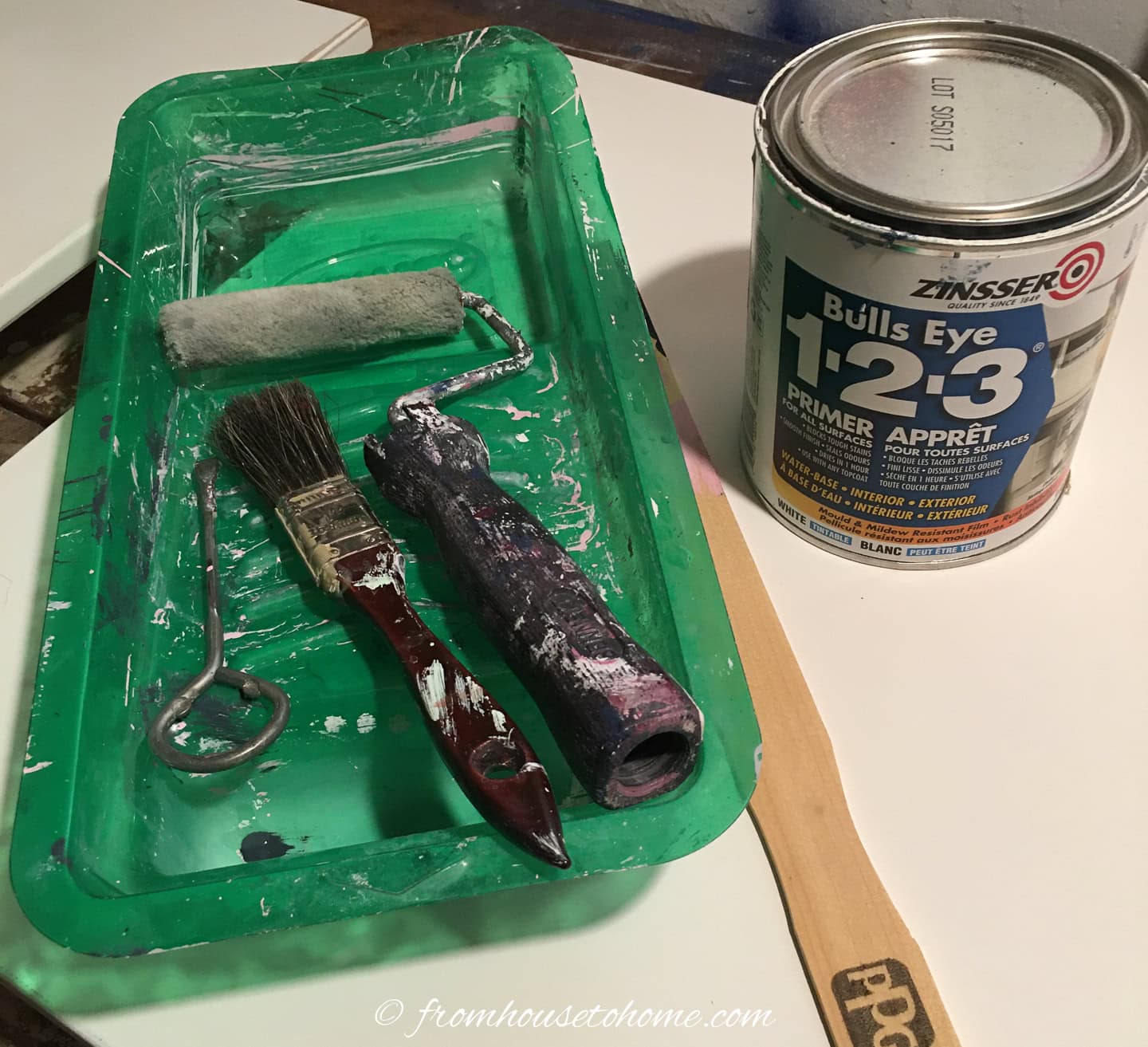
An alternative to B.I.N, is Zinsser’s Bull’s Eye 1-2-3 primer* or Kilz indoor/outdoor latex primer*.
They are both water-based which makes clean-up easy. And dry in about an hour to a smooth finish.
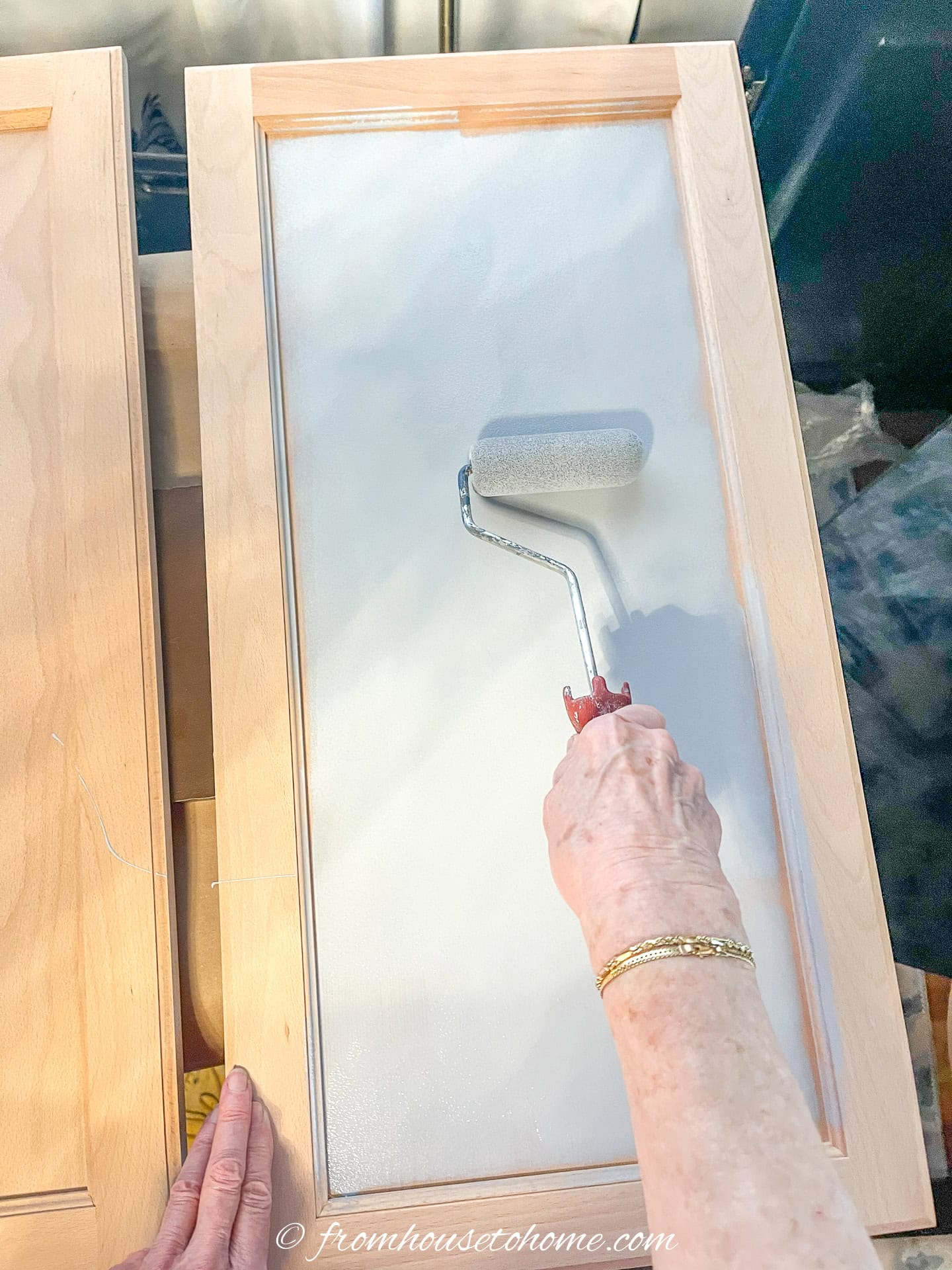
I recently used the 1-2-3 primer on high gloss enameled Ikea doors, and melamine covered cupboards, with excellent results.
A word of caution: Avoid using Behr’s Bonding Primer. I initially painted the above-mentioned gloss enameled doors with it as an under base, because the salesman in Home Depot recommended it so highly. Much to my chagrin, the paint chipped drastically. I had to scrape and sand the doors completely, re-prime with Bull’s Eye 1.2.3, and repaint.
The best primer for unfinished Wood and mahogany-stained antiques
Definitely use Zinsser’s B.I.N primer* for unfinished wood (especially if it has knots) or antiques that have been stained using an alcohol/aniline dye mixture usually found in mahogany blood-red stains.
Both will bleed through multi-purpose primers and paint.
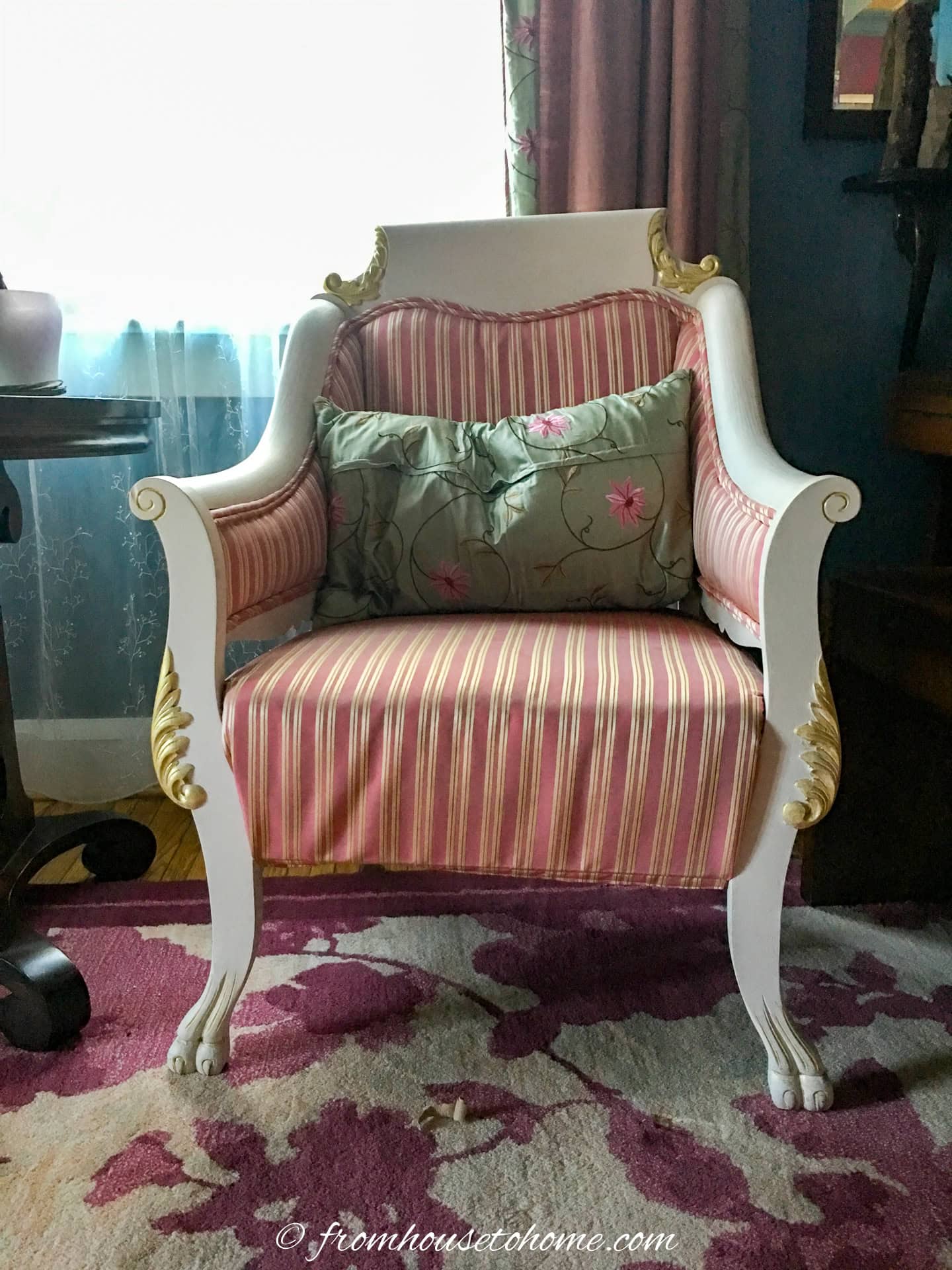
This includes cottage paint. When I painted my grandmothers’ parlor chairs with cottage paint, I had to first seal the mahogany stain with B.I.N undercoat. It worked well under the cottage paint topcoat.
Priming unfinished MDF
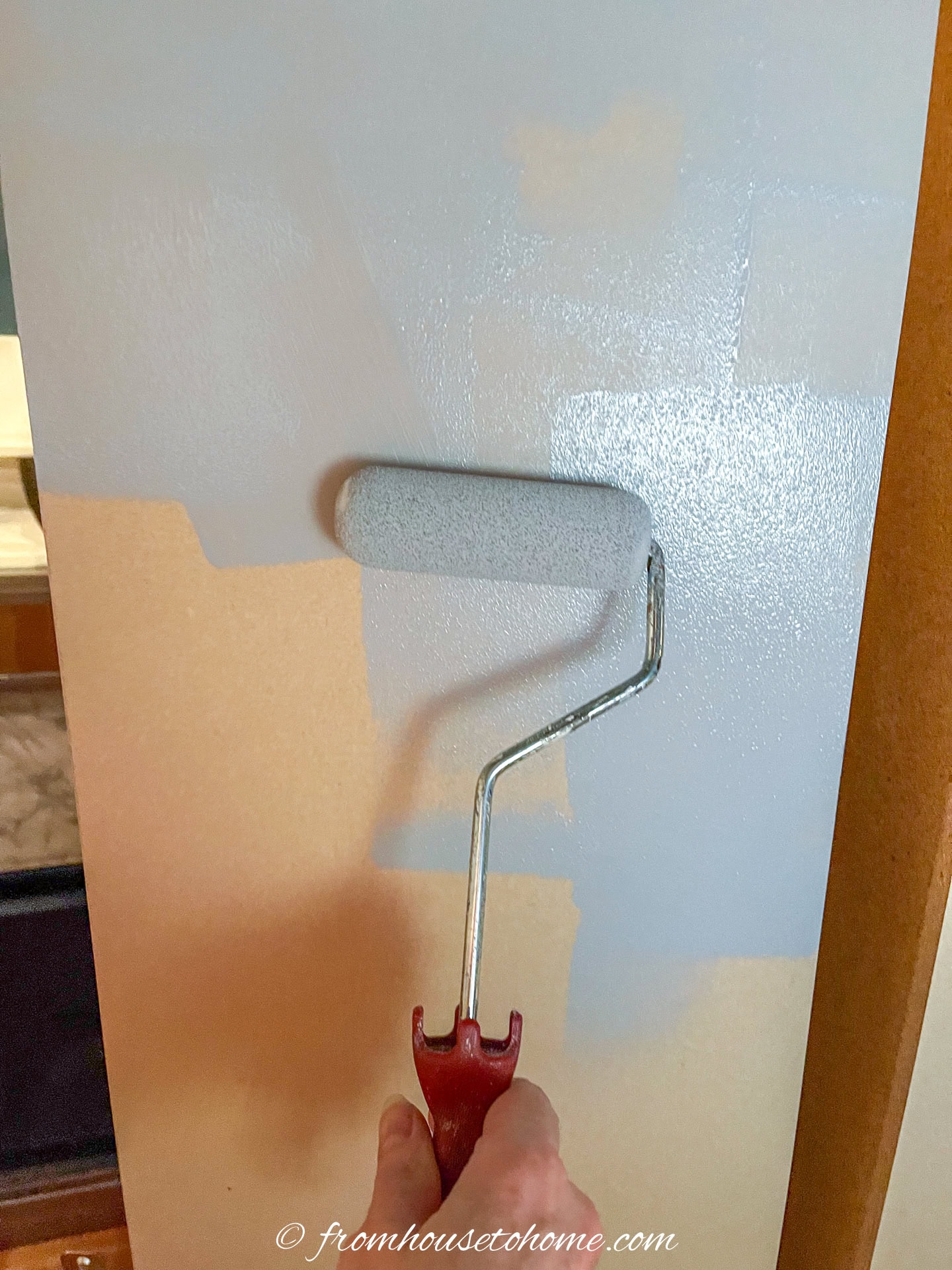
Unfinished MDF is porous and needs to be primed with something that will seal and adhere to synthetic surfaces.
An alkyd primer will do the job perfectly.
It will keep water from getting into the MDF and ruining the surface.
The primers I have mentioned are only a few of the myriad of selection out there. I hope I have simplified the choices somewhat.

Frequently asked questions
What is a paint primer and why is it necessary?
A paint primer is a preparatory coating applied before painting. It ensures better adhesion of paint to the surface, increases paint durability, and provides additional protection for the material being painted. Using a primer can prevent peeling, cracking, and can also block stains and odors.
How do I choose the right type of primer for my project?
Choosing the right primer depends on the surface you are painting and the type of paint you plan to use. For instance, oil-based primers are excellent for wood and metal surfaces, while water-based primers are suitable for drywall and plaster. There are also specialty primers designed for specific needs, such as stain-blocking or high-adhesion primers for glossy surfaces.
Can I use a primer as a final coat of paint?
Primers are not designed to be the final coat. They are formulated to prepare the surface for the topcoat, ensuring better adhesion and coverage. Primers typically have a flat finish and lack the durability and aesthetic qualities of topcoat paints. Always follow up with a suitable topcoat for the best results.
Do I need to use a primer if I’m using a paint-and-primer-in-one product?
Paint-and-primer-in-one products can be convenient, but they may not be suitable for all situations. These products work well for repainting surfaces that are in good condition. However, for surfaces that are stained, porous, or have never been painted before, using a dedicated primer first is recommended for optimal results.
How many coats of primer should I apply?
The number of coats needed depends on the surface condition and the primer type. Generally, one coat of primer is sufficient for most surfaces. However, if you are covering a dark color or a heavily stained area, you might need two coats to ensure even coverage and proper sealing.
Can I use the same primer for both indoor and outdoor projects?
Primers are formulated differently for indoor and outdoor use due to varying environmental conditions. Outdoor primers are designed to withstand weather elements and UV exposure, while indoor primers focus on blocking stains and odors. It’s best to use a primer specifically designed for the environment in which it will be applied.
How long should I wait before painting over the primer?
Drying times can vary depending on the primer type and environmental conditions such as humidity and temperature. Typically, primers need to dry for about 1-4 hours before applying the topcoat. Always check the manufacturer’s instructions on the primer can for specific drying times.
What happens if I skip using a primer?
Skipping primer can lead to several issues, including poor paint adhesion, uneven color, and reduced durability of the paint job. The paint may peel, crack, or wear out more quickly, and stains or imperfections on the surface may bleed through the topcoat. Using a primer ensures a smooth, long-lasting finish.
Have comments or questions about choosing the best paint primer? Tell us in the section below.
Pin It So You Don't Forget It!